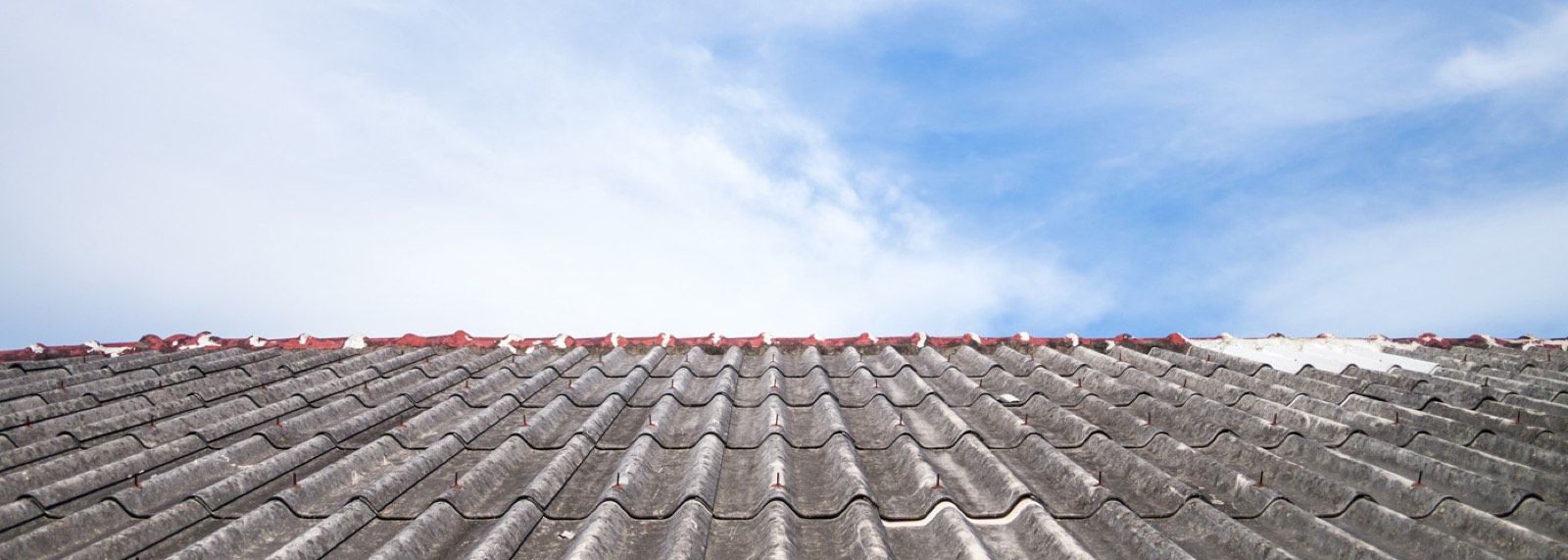
Asbestos Ceiling Removal in Twickenham
Asbestos ceiling removal for Twickenham homes and flats, from the textured artex in the St Margarets terraces to insulating board around boilers in Whitton. Rooms sealed, air filtered and tested before anyone moves back in.
The Asbestos That Lives Indoors
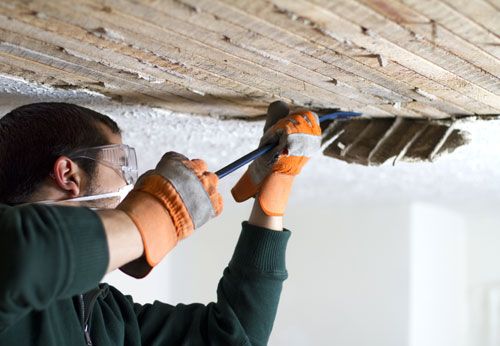
Most people picture asbestos on a garage roof. In Twickenham a fair amount of it sits over your head, inside the house, in the rooms you use every day. The textured swirls and stipple on older ceilings, the white board lining an airing cupboard, the flat panel boxing in a boiler flue. None of it looks like a hazard, and for years it is not. Tap it, drill it for a light fitting, or scrape it back during decorating and it can release fibres into the air of a closed room, where they hang and are breathed in.
The pattern runs through the TW1 and TW2 housing. Artex coatings turn up across the Victorian and Edwardian terraces near the town centre and St Margarets, where ceilings were skimmed and re-skimmed over the decades and a textured finish was the cheap, fashionable way to hide a tired surface. Asbestos insulating board, usually shortened to AIB, shows up in the interwar semis out towards Whitton, fitted around boilers, in airing cupboards, behind access hatches and as ceiling boards in the colder corners of the house. Strawberry Hill and the streets running down towards the river follow the same script, and the converted flats carved out of larger Victorian houses often hide it above a later plasterboard ceiling.
All of it went in before asbestos was banned in the UK in 1999. Left flat and painted it sits there doing nothing, and there is no need to rip out a sound ceiling on suspicion alone. The danger is in the dust. When the material is broken up it gives off fibres that lodge in the lungs and cause asbestosis, lung cancer and mesothelioma, often decades after the work was done. So it is the moment a ceiling is disturbed, during a rewire, a loft conversion, a new bathroom or a simple bit of decorating, that the risk arrives, and that is when the work becomes one for a licensed firm rather than a job to chance with a scraper.
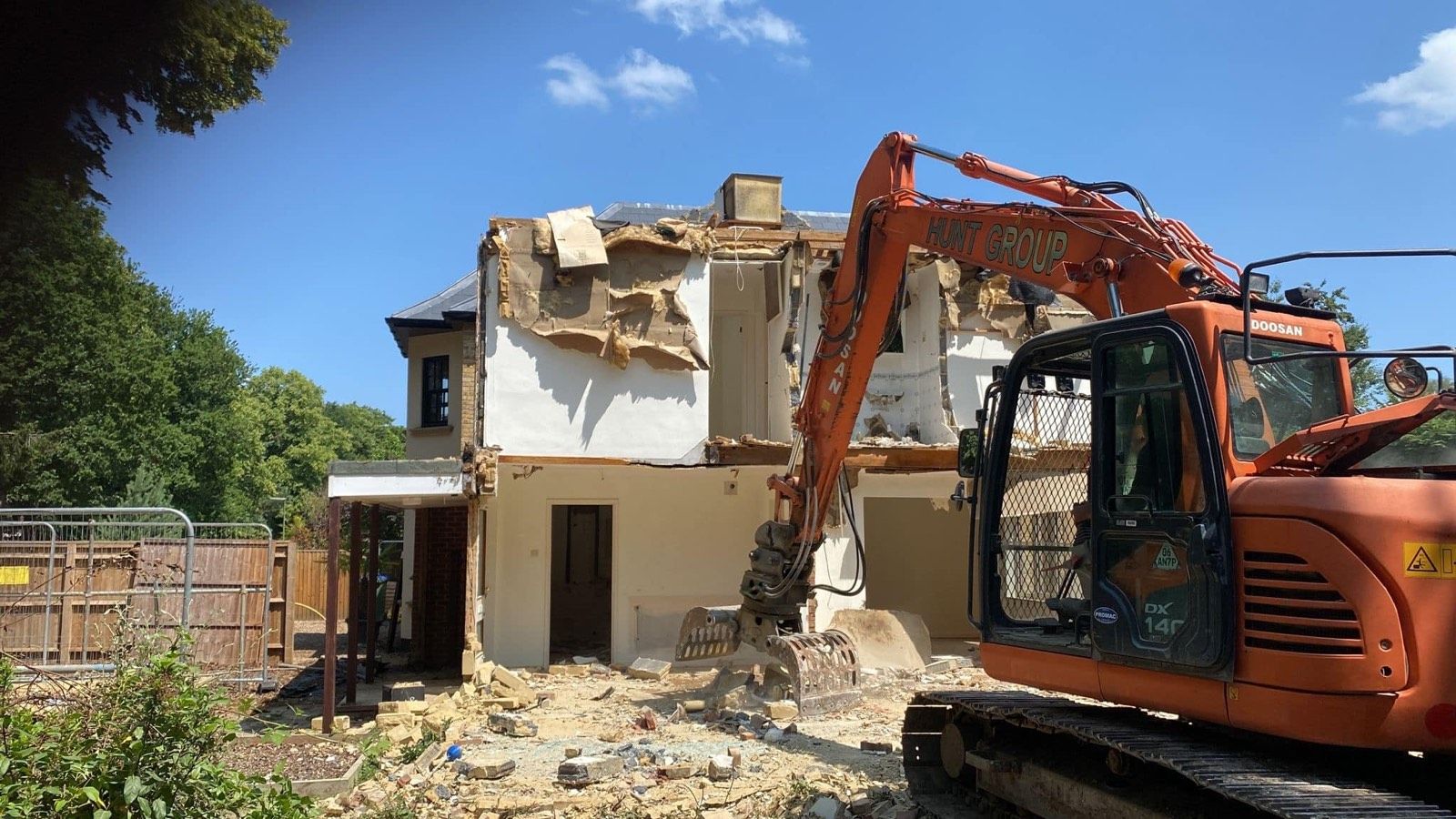
Artex and Insulating Board Are Not the Same Job
Two ceilings can look almost identical and need very different handling. Textured artex is usually the lower-risk material. The asbestos content tends to be low and bound tight in the hard coating, so a lot of artex work is non-licensed, though that does not mean it can be ripped down dry in a lived-in room. It still has to be kept wet, contained and bagged properly. Asbestos insulating board is the higher-risk one. It is far more friable, which means it crumbles and gives up fibres easily, so AIB removal is licensed work carried out under the stricter rules.
The trouble is you cannot tell them apart by eye, and you cannot judge the risk from the colour, the age of the house or the pattern of the texture. A stippled ceiling in a Strawberry Hill flat might be harmless artex, or it might be insulating board hidden behind a thin skim coat. A white panel in a Whitton airing cupboard might be ordinary plasterboard or it might be AIB. Guessing either way is the wrong move, because under-reacting risks the dust and over-reacting means tearing out a ceiling that never needed to come down.
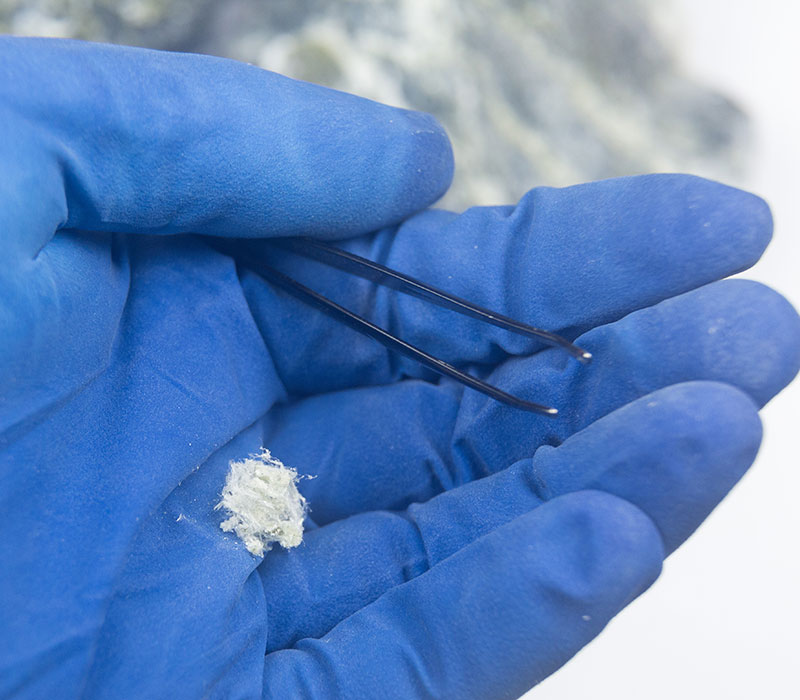
So we sample first. A small piece is taken under controlled conditions, double-bagged and sent to a UKAS-accredited laboratory, and the result comes back within a few working days. It tells us whether asbestos is present, what type it is, and which set of rules applies. That sample decides everything that follows: whether the job is a careful non-licensed strip or a full licensed removal, how the room is set up, what notice the law requires, and what the air testing at the end has to prove before anyone goes back in.
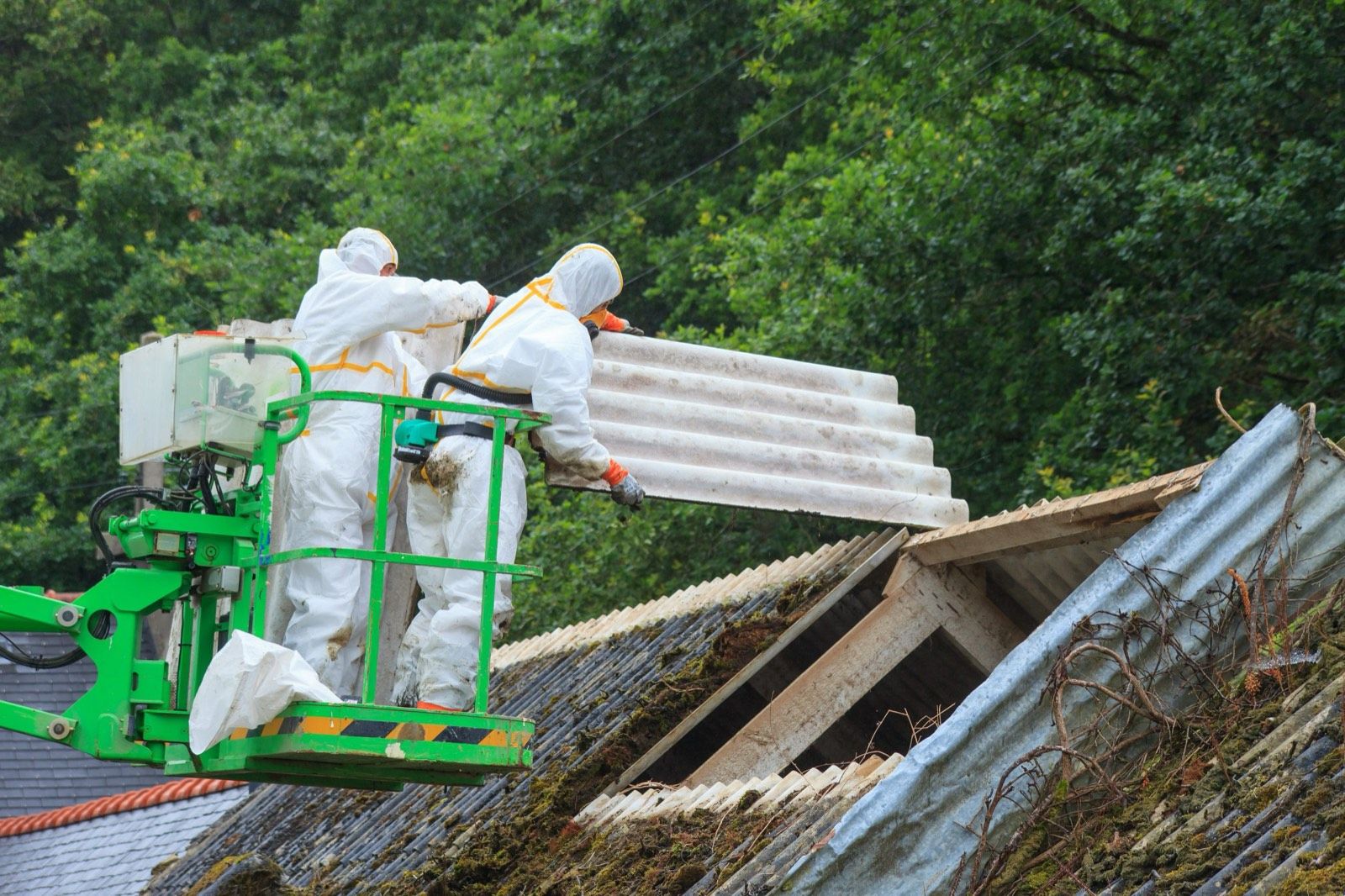
Working Above an Occupied Twickenham Home
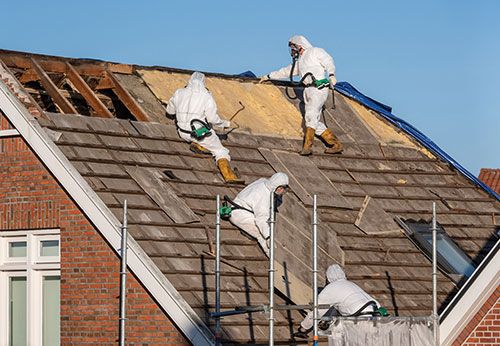
Ceiling work is almost always done with people still living in the house, or in the flat next door in one of the converted riverside properties, so the controls are built around keeping the dust inside one room. We seal that room off before anything starts, taping up doorways, covering the floor and blocking any gap the air could travel through, including vents and the loft hatch. A negative-pressure unit and commercial-grade air filtration run the whole time, pulling air through filters so fibres are caught at source rather than drifting into the hallway or the rooms above and below. In a Twickenham terrace where rooms share walls and floors, that containment is what stops a single-room job becoming a whole-house problem.
The ceiling itself is taken down carefully rather than knocked about. It is kept damp where that helps hold the fibres, lowered rather than dropped, and bagged as it comes away so material is not left lying about the floor for someone to walk through. Everything leaves as controlled waste bound for a licensed facility, and you are given the consignment note that shows where it went and that it was disposed of legally.
Then the air gets tested before the room is handed back, not after. An air test measures the fibre count and confirms it has dropped to a safe level, and only once that clearance is passed do we take the sheeting down and let you use the room again. We would rather run the filtration an hour longer and retest than hand back a room that is not right. Where a family is sleeping a wall away, that test is the line between a finished job and an unfinished one, and it is not a step we skip to save time.

From Sample to Signed-Off Ceiling
If the lab confirms insulating board, the job steps up to the full licensed standard. We give the HSE the 14 days' notice the law requires before higher-risk work can begin, which is worth knowing if you are working to a renovation timetable, so a suspect ceiling is best sampled early rather than the week the builders are due. We then build a full enclosure around the work area and run air monitoring the whole time the ceiling is coming down. At the end an independent analyst, someone with no stake in the job, carries out four-stage clearance testing, checking the site, the enclosure and the air before signing it off. Nobody moves back in on our say-so alone.
Licensed or non-licensed, the principle holds for every ceiling we touch. It is sampled before we start and air tested before we leave, and you are handed the paperwork that proves both. For a stippled artex ceiling in a St Margarets flat or an insulating board panel in a Whitton semi the route is the same: find out what is there, contain it, take it out cleanly, then prove the air is clean before the room goes back into use. That paperwork also matters later, because a buyer or a solicitor may ask how asbestos in the property was dealt with.
Clearaway Asbestos holds Spectra licence number 142305706 and has worked across Twickenham and the wider TW postcodes for more than seven years. To arrange a free site visit and have a suspect ceiling looked at, call the team on 0800 024 6168 and we will book a date that suits you.

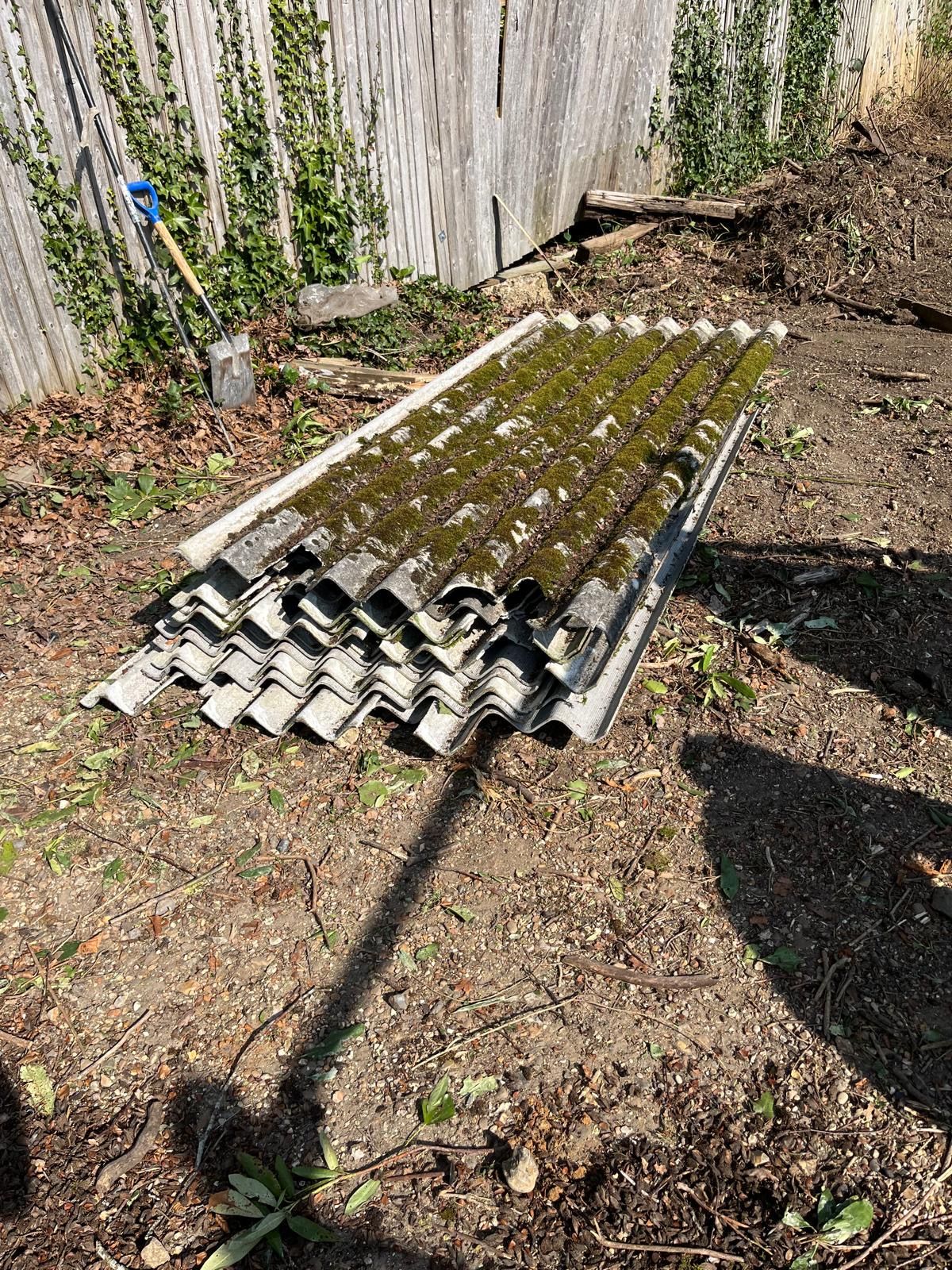
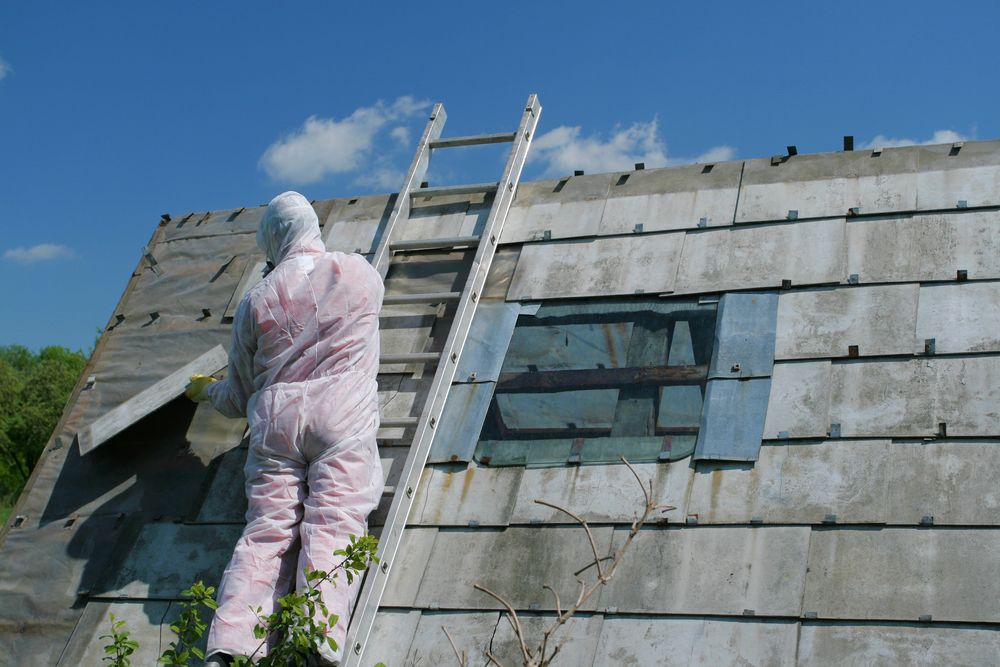
Corrugated Asbestos Sheet Removal, Esher
Esher, Surrey · Sheet Removal
View this project"Graham has organised two jobs for me, both of which ran smoothly and on time. Clive and the team are really great, they completed the work in the agreed time and left the site spotless. Would recommend using Clearaway if you need any work done."
Why Choose Clearaway
Specialist Crew
Asbestos work is all we do, every day, across the South East.
Fully Licensed
Licensed asbestos removal contractor (Licence No. 142305706). Full public liability insurance on every job.
Local & Fast
Surrey-based. Most domestic jobs are booked in and finished within a week.
Our Own Team
We never subcontract. The people who quote your job are the people who do it.
Frequently Asked Questions
Our Removal Process
From first call to final certificate, every job follows the same clear four-step process.
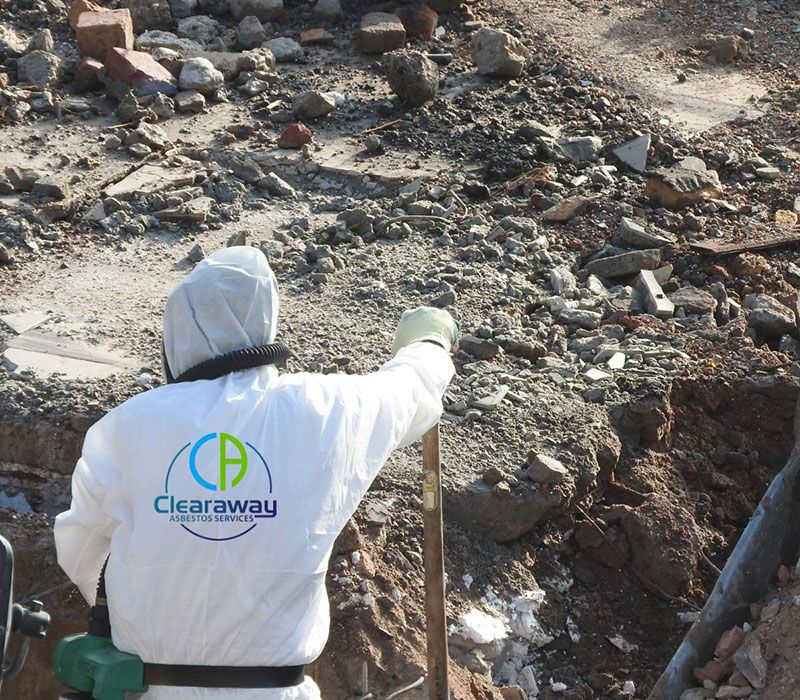
Survey
We inspect the property and confirm the material. Sampling available if required.
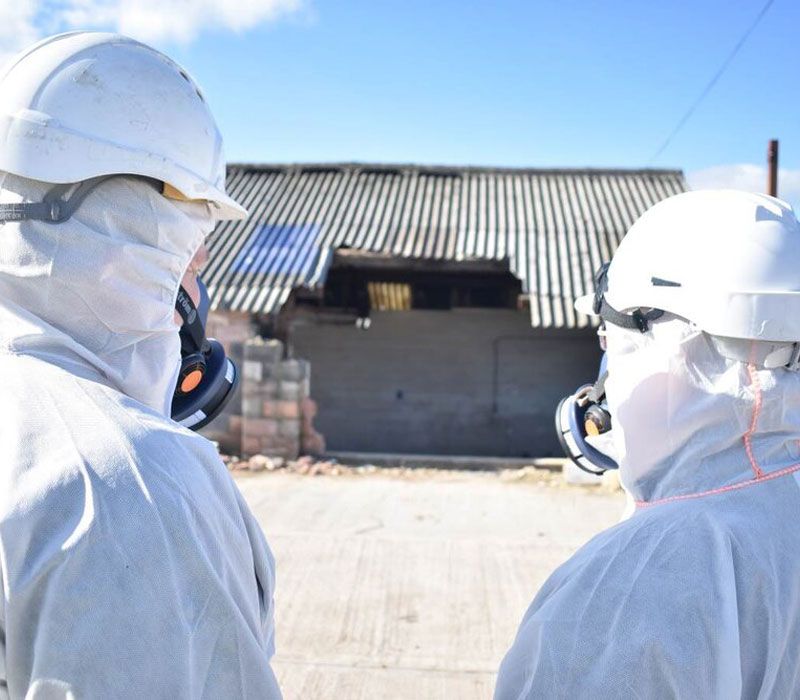
Quote
Fixed written price covering removal, disposal and any replacement work.
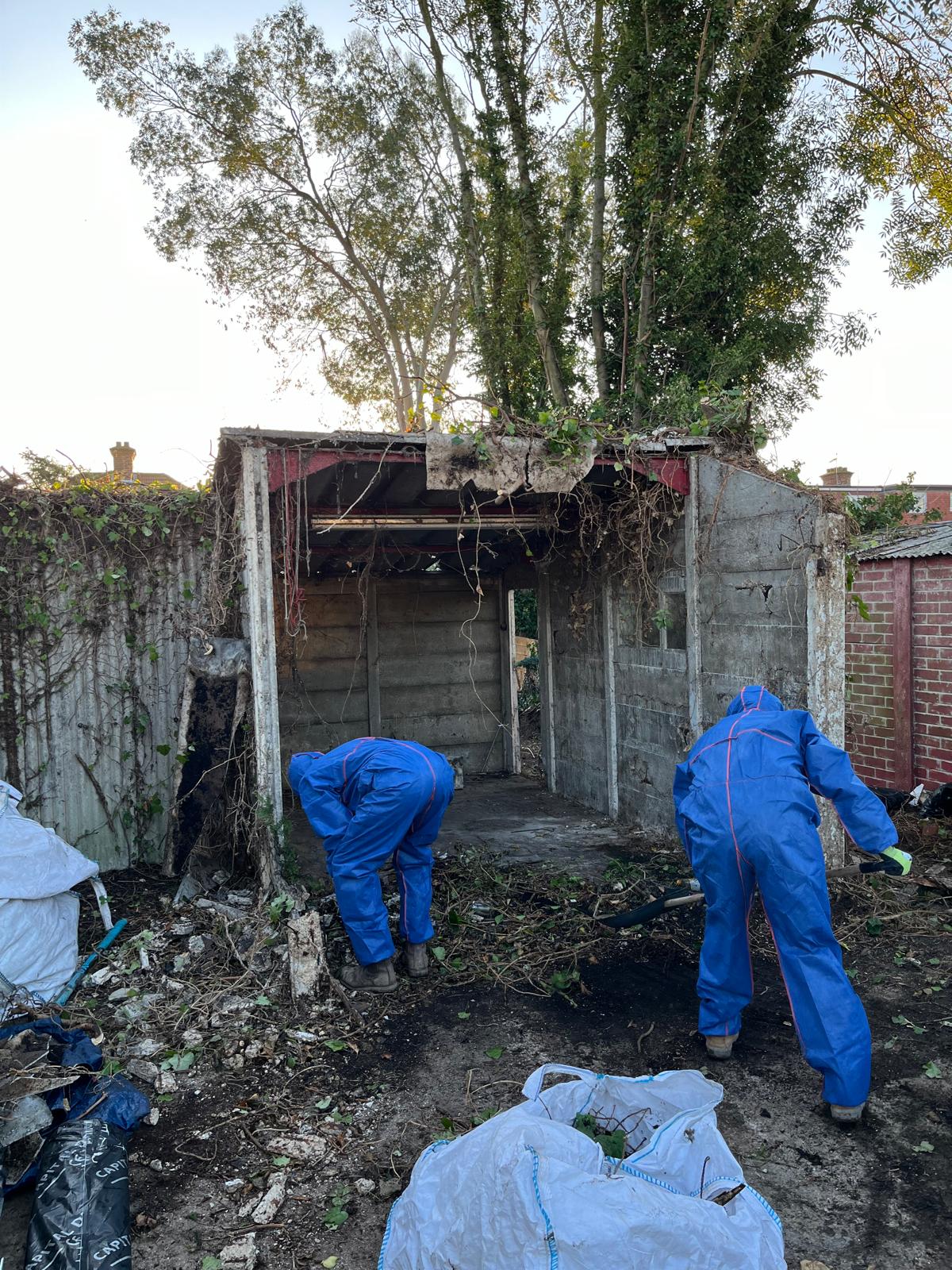
Removal
Material is removed safely, double-wrapped and taken to a licensed disposal facility.
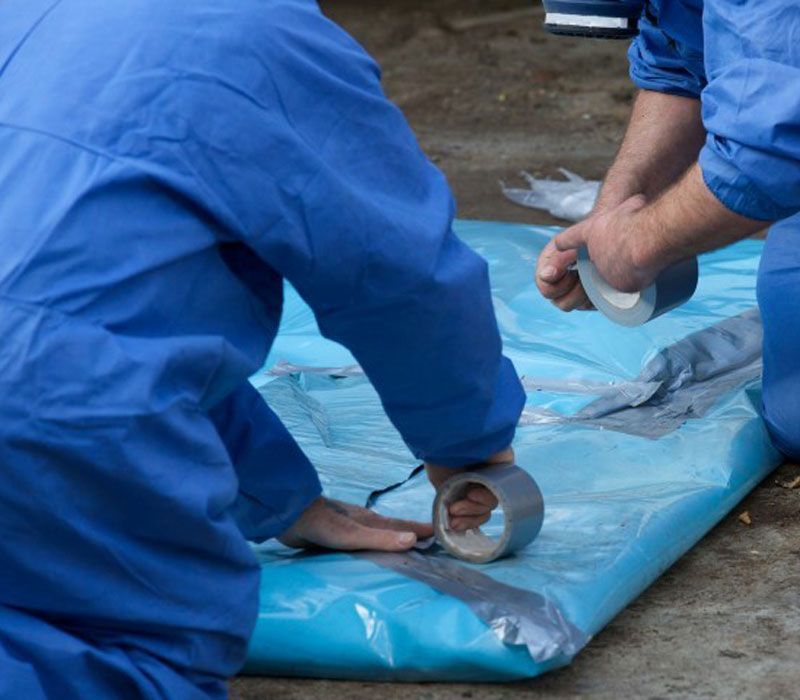
Certificate
You receive a waste consignment note and disposal certificate confirming legal handling.
Get in Touch
Send a few details about your project and we will come back the same working day with a fixed price. We cover Surrey, London and the South East, including Esher, Cobham, Kingston, Richmond, Epsom, Guildford, Woking and Croydon.