Asbestos Ceiling Removal in Teddington
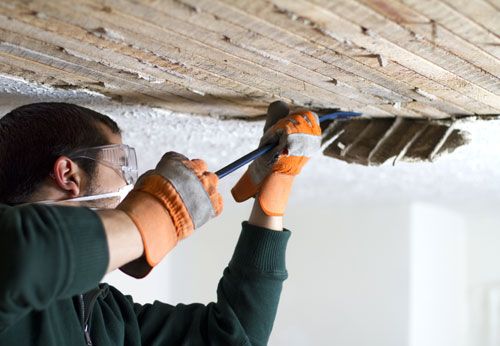
Look up in a lot of Teddington homes and the ceiling tells a story. Textured artex over the High Street terraces, boards around boilers in the Waldegrave Road conversions. We remove asbestos ceilings safely while people carry on living there.
What the ceilings hide in Teddington homes
Plenty of houses around the High Street and Broad Street still have their original ceilings, and a fair few of those are coated in textured artex. It was the standard finish for decades, swirled or stippled across ceilings and the tops of walls, and a lot of it went on before asbestos was banned in the UK in 1999. From the floor it looks like nothing more than dated decor, the sort of thing a homeowner plans to skim flat or scrape off one weekend. You cannot tell by looking at it whether the coating holds asbestos fibres or not, and the age of the Teddington terraces means it often does.
The other material we deal with indoors is asbestos insulating board, usually shortened to AIB. In Teddington it tends to show up around boilers, inside airing cupboards, and as flat ceiling panels in rooms that were added or altered over the years. Many of the larger period villas towards Bushy Park and the river were split into flats, and that conversion work often left AIB tucked behind a more recent surface or above a newer ceiling. It looks like ordinary building board until someone goes to move it, which is when the problem starts.
Artex and AIB are not the same risk, and treating them as if they were is where people go wrong. Artex coatings are often lower risk and the work can sometimes be done without a licence, because the fibres are locked into a hard surface. AIB is more friable, it gives off fibres far more readily once it is cut or knocked, and that work is licensed. Because you cannot separate the two by eye, and the two sit in the same houses, the first move is always a sample, not a guess.
Sampling before anyone lifts a tool
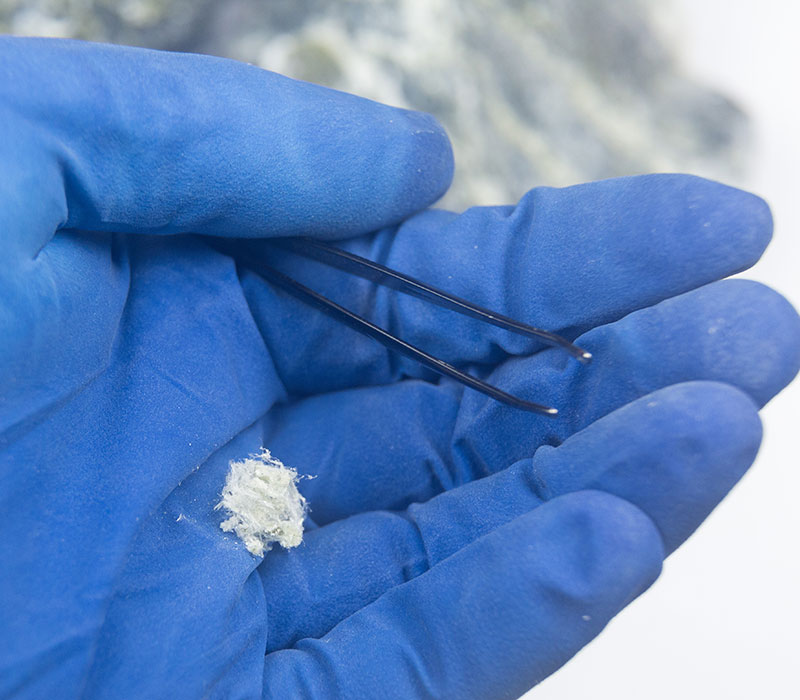
We take a small piece of the suspect ceiling under controlled conditions, bag it, and send it to a UKAS-accredited laboratory. The result comes back within a few working days and tells us two things that matter: whether the material contains asbestos, and what type it is. That answer decides everything that follows, including whether the job is licensed work or a straightforward non-licensed removal. It also stops us pricing a job before anyone actually knows what is up there.
For a homeowner in Teddington this step is cheap insurance. People often ring after starting a refit, when an artex ceiling is about to be skimmed or pulled down, or when a survey on a flat in one of the converted villas has flagged something overhead. Sometimes it is a kitchen ceiling coming down, sometimes a boiler being replaced and the boxing around it needs to go. Sampling first means nobody disturbs the material blind and spreads fibres through a home that is still being lived in. If the lab comes back clear, the decorating carries on as normal and there is no removal to pay for at all.
It is also worth knowing how sampling differs from a full survey, because the two get muddled. Sampling tests a specific item you already suspect, the artex on one ceiling or the board around a boiler, and gives you a clear yes or no on that one thing. A survey inspects the whole property and maps out everything across it, which is the right call before a major refurbishment or a purchase. For a single ceiling that someone is about to disturb, a sample is usually all that is needed to get the work moving safely.
Removing it while you still live there
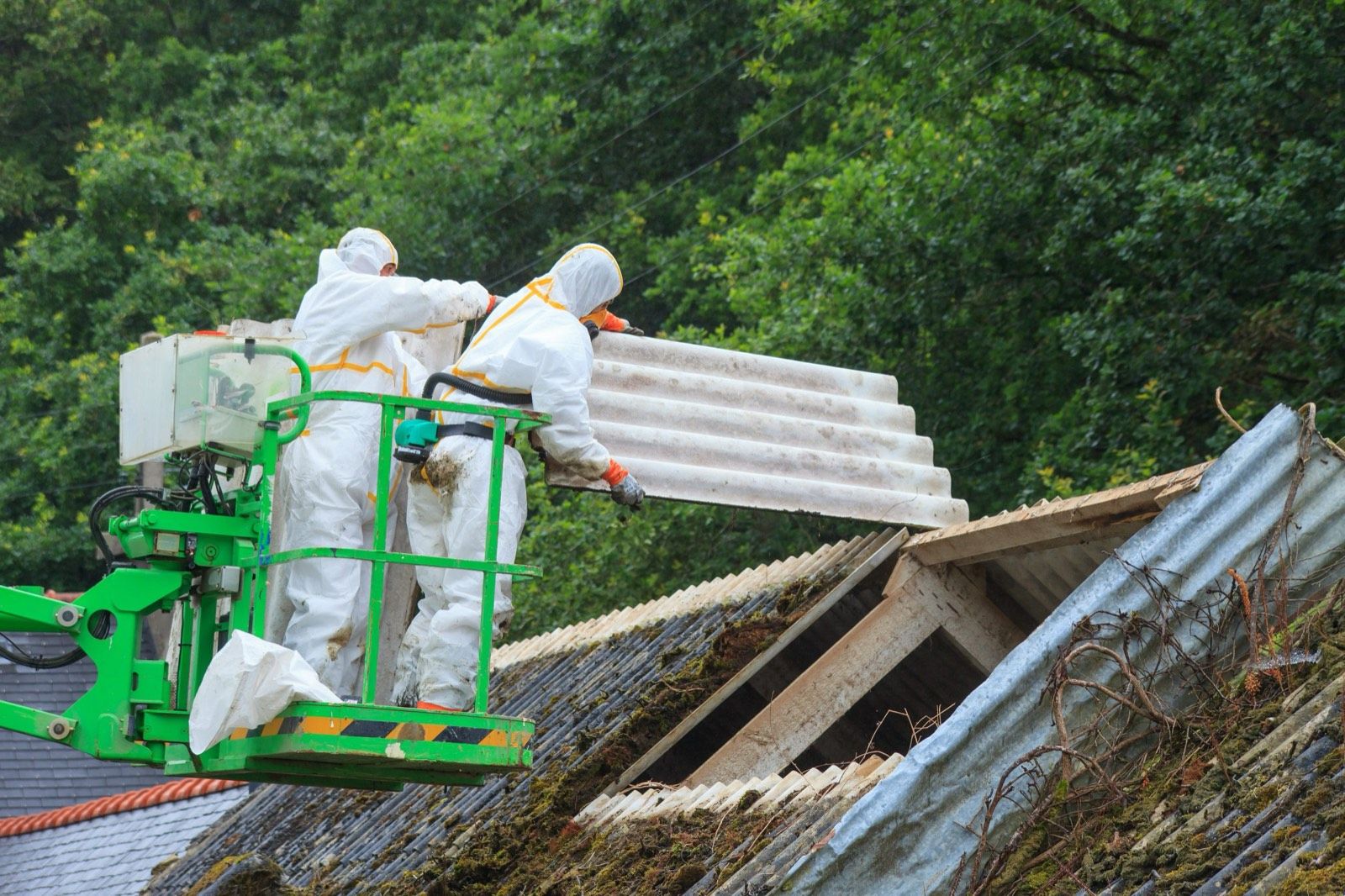
Most ceiling jobs in Teddington happen in occupied homes and flats. People are not moving out for a few days of work, so the method has to suit a house that is still being lived in, with the rest of the rooms staying in normal use. We seal off the work area first, taping and sheeting the doorways and any openings so that nothing escapes into the rest of the property. Inside that sealed space we run commercial-grade air filtration the whole time the ceiling is being worked on, which pulls fibres out of the air rather than letting them settle on floors and furniture.
Artex coatings are usually softened and taken off in a controlled way that keeps the dust down, instead of being dry-sanded. AIB panels are removed whole wherever the fixings allow it, so the board is not broken up and made worse inside the room. Everything comes out double-bagged and goes to a licensed disposal facility. There is rarely a skip involved, which matters on the tighter terraced streets off Waldegrave Road where there is nowhere to put one and parking is already at a premium.
Before anyone moves back into the room we carry out air testing. The space is checked to confirm the fibre level is back where it should be, and only then is the seal taken down and the room handed back for use. For a single ceiling that whole process is often wrapped up inside a day, which is part of why people choose to have it done rather than live around it.

The licensed standard for higher-risk board
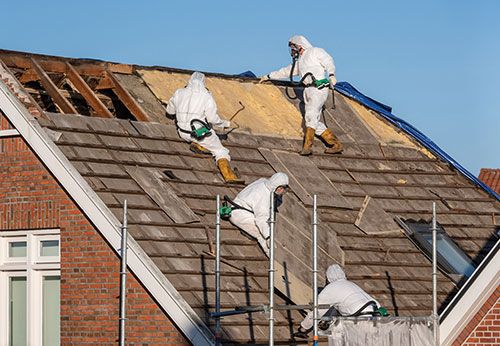
When the lab confirms the material is AIB, the job moves up to the licensed standard, and that changes how it runs. Higher-risk removal needs 14 days of notice to the HSE before work starts, so it is worth flagging early if you are working to a deadline on a flat conversion or a sale near Hampton Wick. The work area is put under full enclosure rather than a simple seal, the air inside is held under negative pressure, and once the board is out the space goes through four-stage clearance testing signed off by an independent analyst before anyone can use it again.
That sounds like a lot for one ceiling, and on a small artex job it usually is not needed. The point of sampling first is that you only carry the cost and the wait where the material genuinely calls for it. A lower-risk artex coating and a sheet of AIB around a boiler are handled to two different standards, and we tell you which one applies, and why, before any price is fixed. There are no surprises bolted on once the work has started.
Clearaway is based in Chessington, a short run from Teddington, and the owner Graham runs the local jobs himself rather than sending a crew he has never met. We hold Spectra licence number 142305706 and have spent more than seven years working on homes across this part of the borough. If you have an artex ceiling or a suspect board you want looked at, call 0800 024 6168.

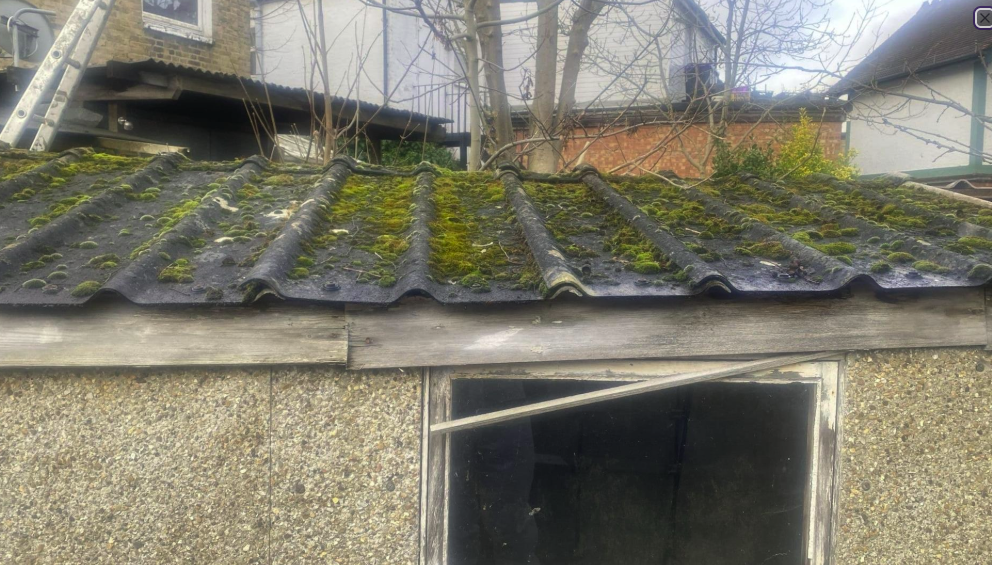
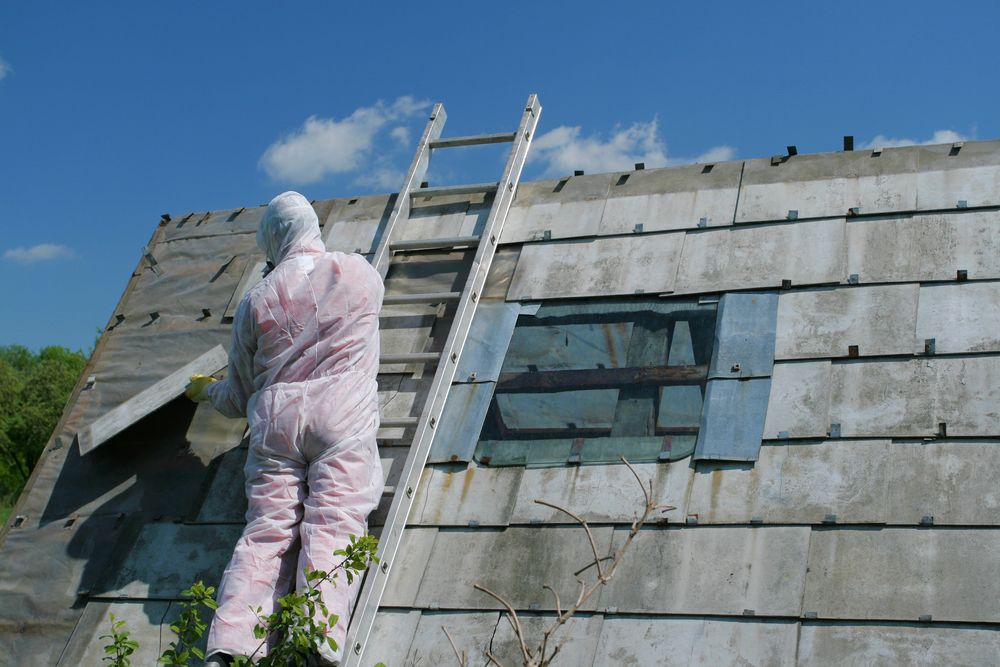
Asbestos Roof Removal and Framework Strip, Claygate
Claygate, Surrey · Roof Removal
View this project"I used Clearaway Asbestos recently for an asbestos garage removal in my home. The staff were really friendly and professional and put me at ease the whole time they were working. I would recommend Clearaway Asbestos to anyone who needs asbestos removal services!"
Our Removal Process
From first call to final certificate, every job follows the same clear four-step process.
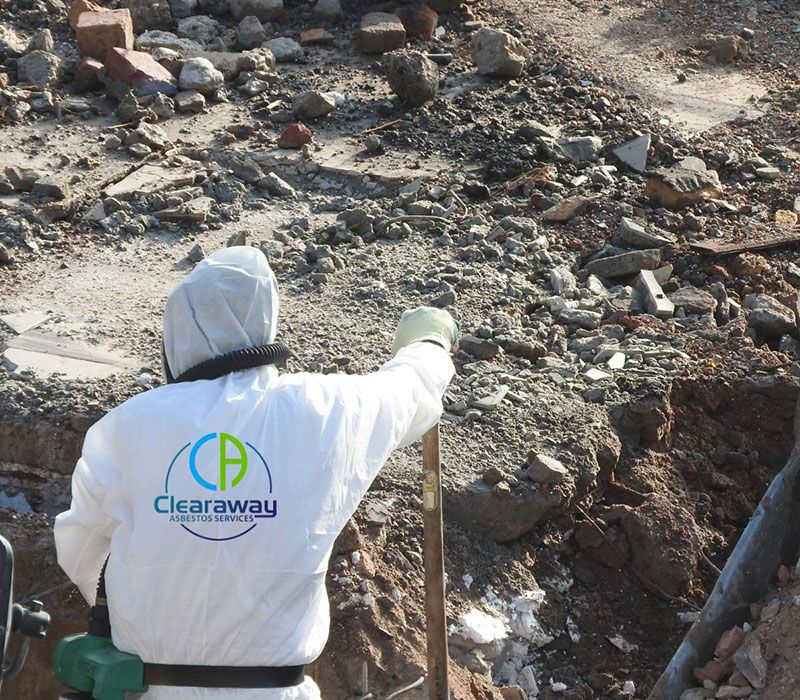
Survey
We inspect the property and confirm the material. Sampling available if required.
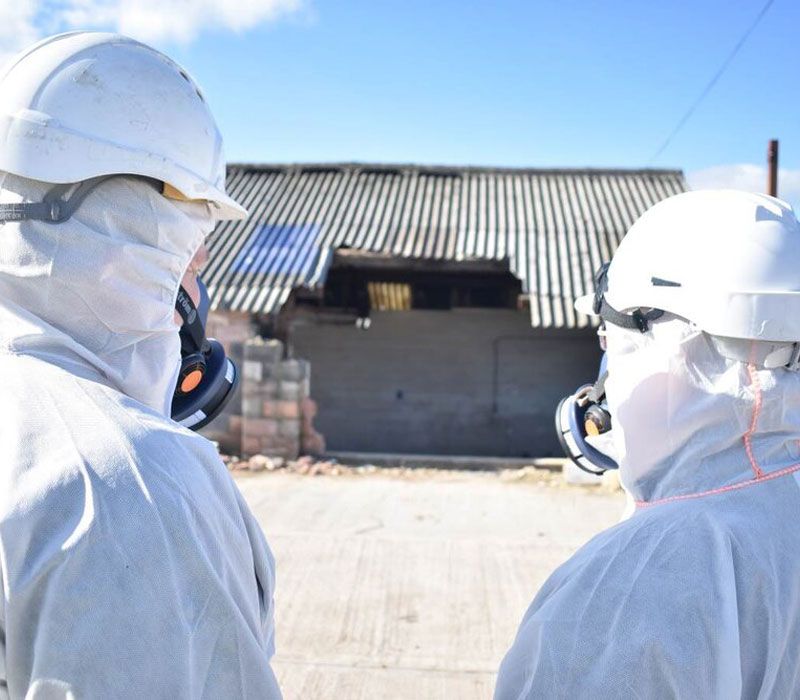
Quote
Fixed written price covering removal, disposal and any replacement work.
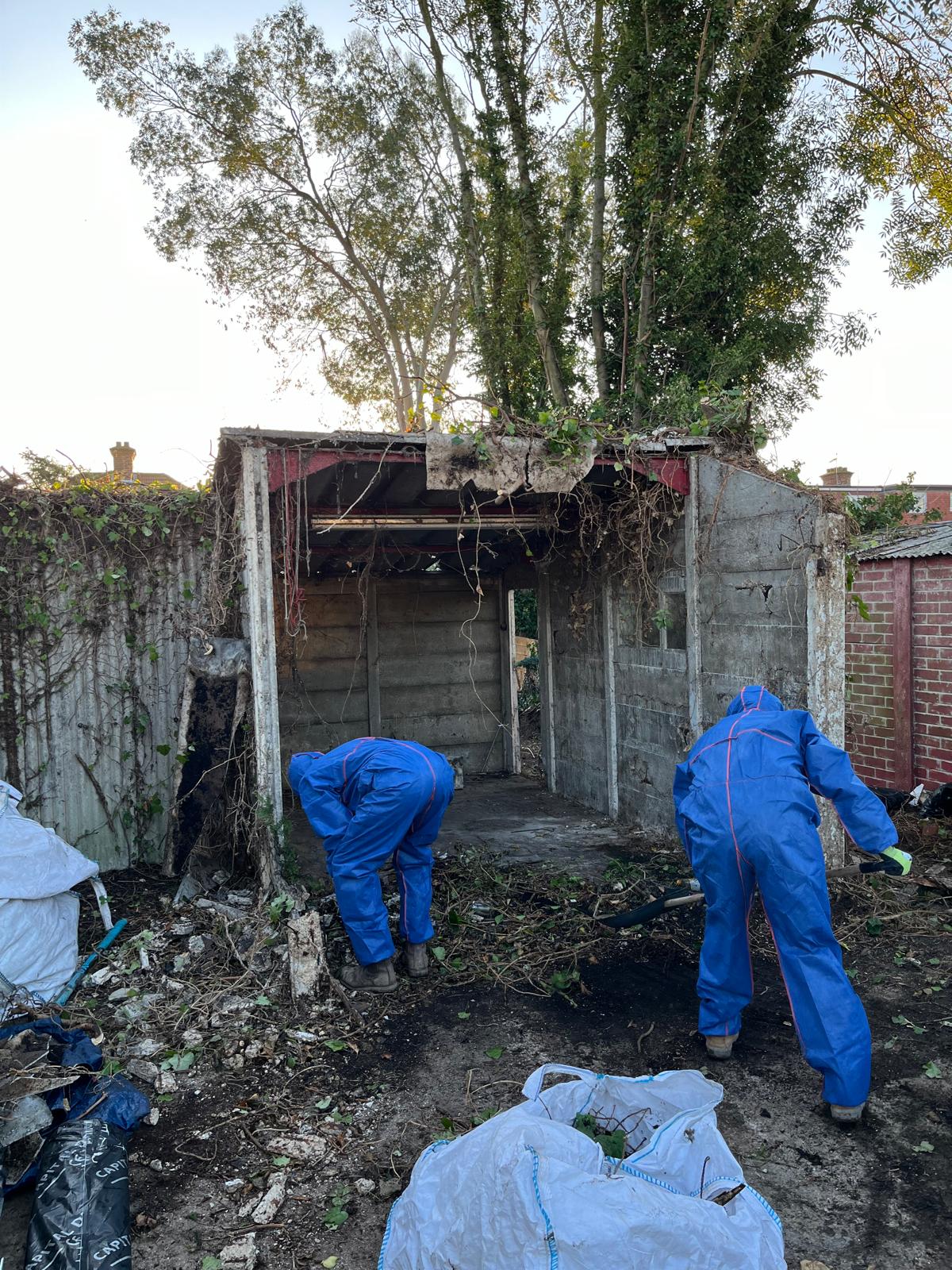
Removal
Material is removed safely, double-wrapped and taken to a licensed disposal facility.
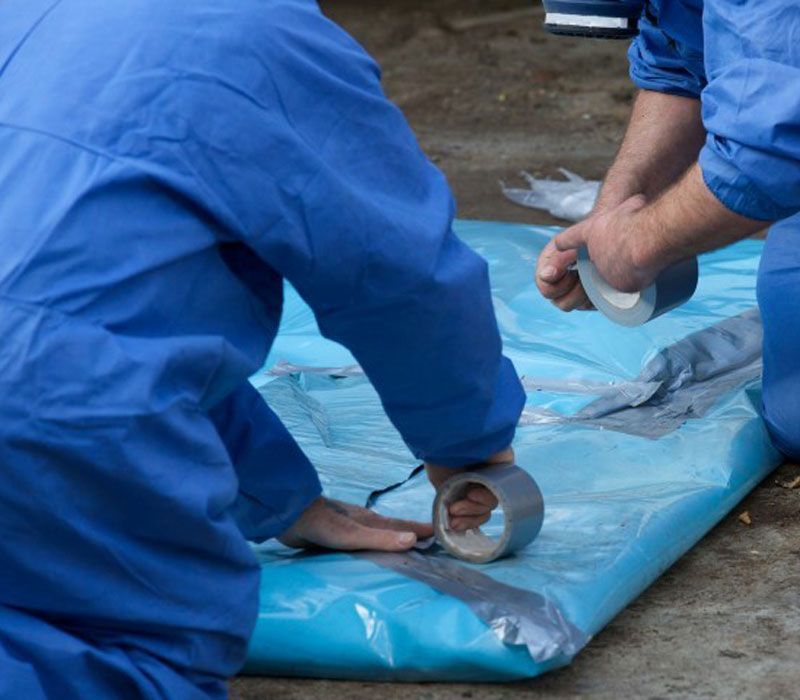
Certificate
You receive a waste consignment note and disposal certificate confirming legal handling.
Frequently Asked Questions
Why Choose Clearaway
Specialist Crew
Asbestos work is all we do, every day, across the South East.
Fully Licensed
Licensed asbestos removal contractor (Licence No. 142305706). Full public liability insurance on every job.
Local & Fast
Surrey-based. Most domestic jobs are booked in and finished within a week.
Our Own Team
We never subcontract. The people who quote your job are the people who do it.
Get in Touch
Send a few details about your project and we will come back the same working day with a fixed price. We cover Surrey, London and the South East, including Esher, Cobham, Kingston, Richmond, Epsom, Guildford, Woking and Croydon.