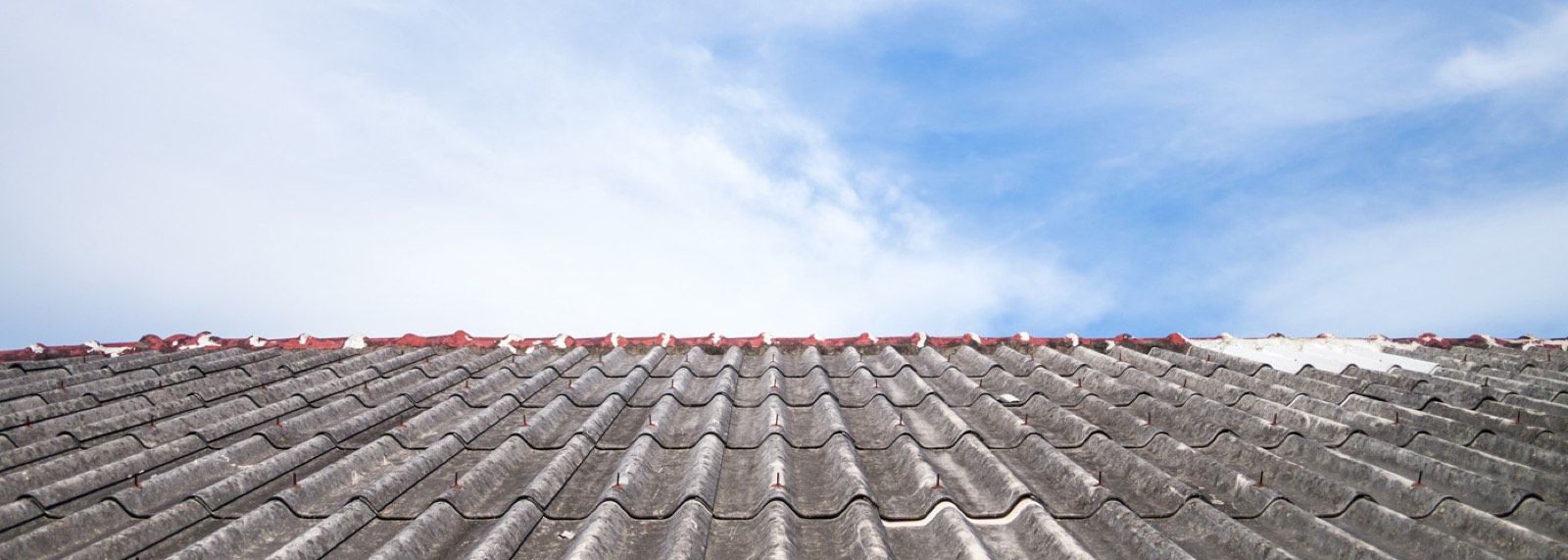
Asbestos Ceiling Removal in Staines
Look up in a lot of Staines homes and the ceiling above you is older than it seems. Textured artex, boiler cupboard boards, hidden panels. Around TW18 and TW19, plenty of it still holds asbestos.
The asbestos that lives above your head
In Staines the asbestos people worry about is usually outside, on a garage roof or a shed out the back. The quieter problem is the stuff indoors, on the ceiling and tucked into cupboards. The Victorian and Edwardian terraces near the town centre and Church Street have been re-skimmed and patched over decades, and a swirled or stippled artex finish from the seventies or eighties often went straight over the original plaster. The long rows of 1930s semis along Kingston Road and Laleham Road got the same treatment. So did plenty of the postwar houses filling out Stanwell, Ashford and the streets behind the bus station. It looks like nothing more than dated decorating, the kind of ceiling people stop noticing after a year or two.
Artex is the common one. That patterned coating on ceilings and the odd wall can contain asbestos fibres mixed into the plaster, and it was used widely in exactly the era much of Staines was being modernised. There is also asbestos insulating board, known as AIB, which is a different and more serious material. In Staines homes AIB tends to show up around the boiler, lining an airing cupboard, or as flat ceiling panels in a back room or a converted loft. The colder, older properties down near the river often have other materials hiding alongside it, such as pipe lagging in the same cupboard space.
The two materials look nothing alike, and neither announces what it is. A textured ceiling might hold a small amount of asbestos or none at all, and a plain white board might be ordinary plasterboard or it might be AIB. You cannot tell by eye whether a ceiling holds asbestos or how much, which is why the work always starts with finding out rather than assuming.
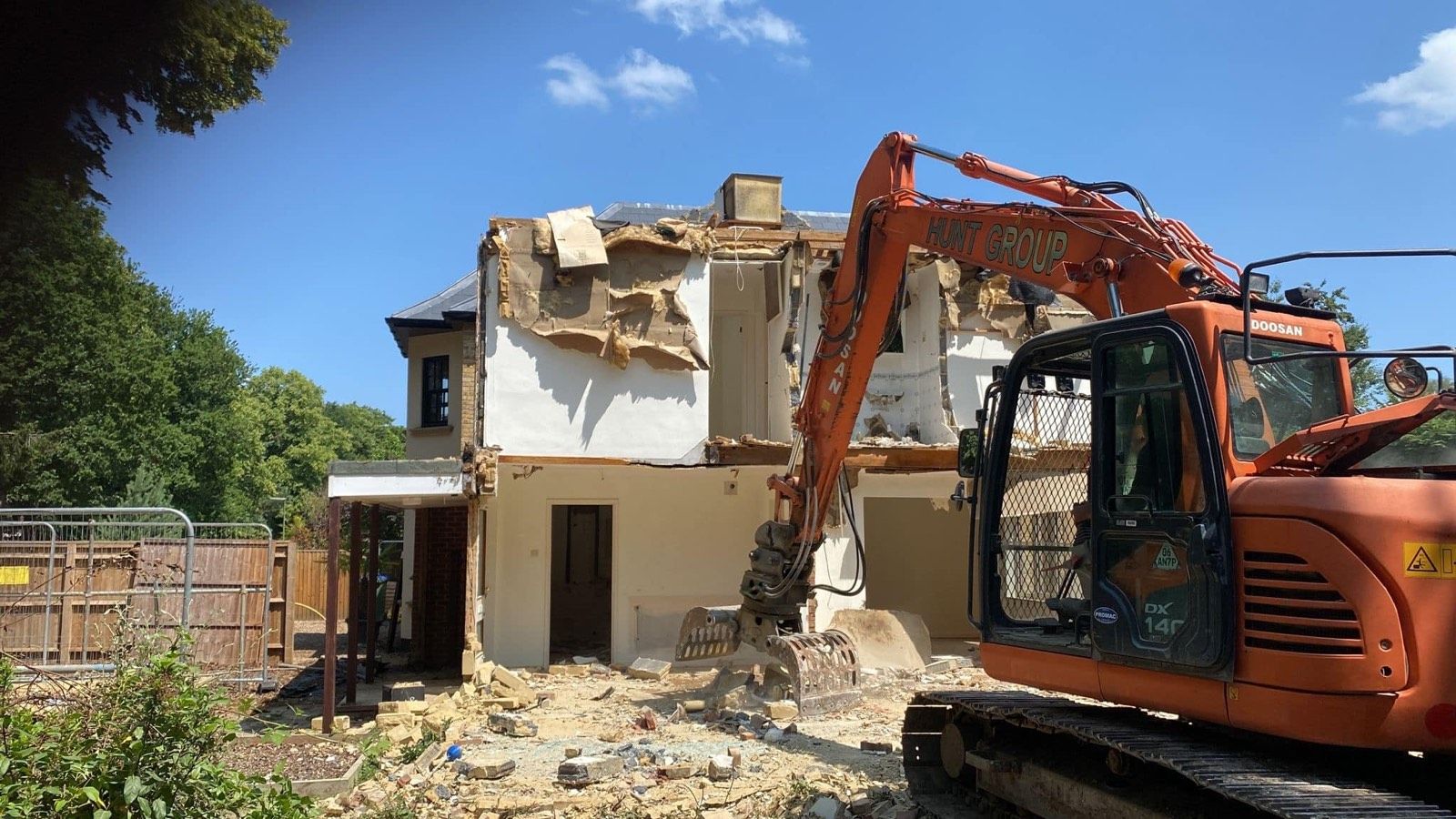
Artex and AIB are not the same job
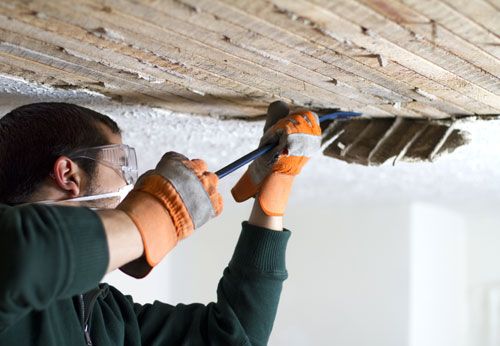
It matters which one you have, because the work and the rules are different. Artex coatings usually carry a low percentage of asbestos, and removing them is often non-licensed work. That does not make them harmless. Sanding, scraping or drilling into artex throws fibres into the air, which is exactly why a ceiling should never be dry-sanded or skimmed over blind during a refit. A lot of Staines ceilings have been quietly painted over instead, which is fine while the coating is sound but becomes a problem the moment someone starts taking it back. Done properly, the coating comes off wet, under control, in a sealed space.
AIB is the higher-risk material and removing it is licensed work. The boards are far more friable, so they release fibres readily once disturbed, and the panels around a boiler or in an airing cupboard are precisely the spots people poke about in when a heating system gets swapped or a loft gets boarded out. A new combi going in is a classic moment for AIB to be cut into without anyone realising what it is. The handling, the protection and the paperwork are all heavier than for artex, and for good reason.
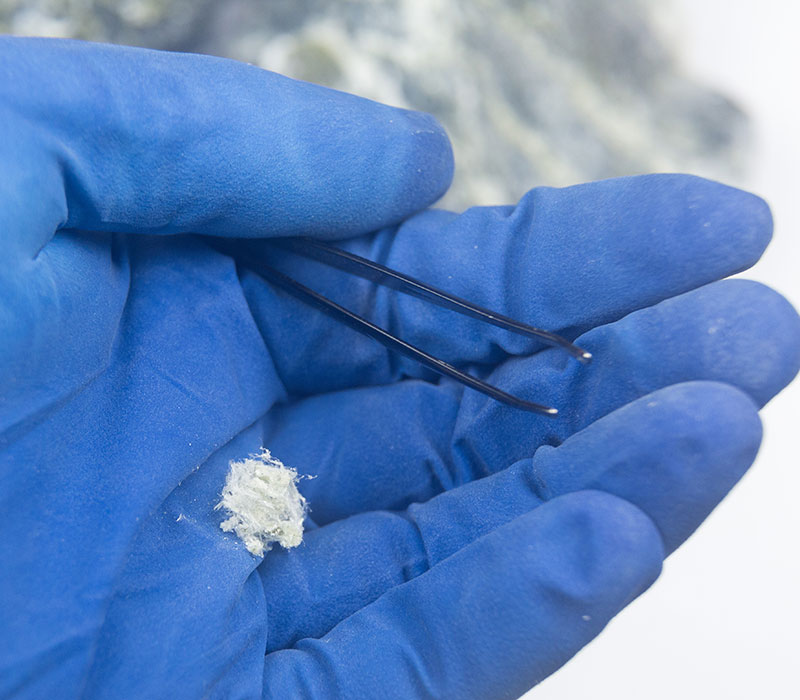
Because the two materials demand such different treatment, the suspect ceiling or board is always sampled first. A small piece goes to a UKAS-accredited laboratory, the result tells us whether it is artex, AIB or nothing at all, and only then is there a sensible plan and an honest price. Guessing is how fibres end up loose in a house that is still lived in, and how a simple job turns into a much bigger clean-up.
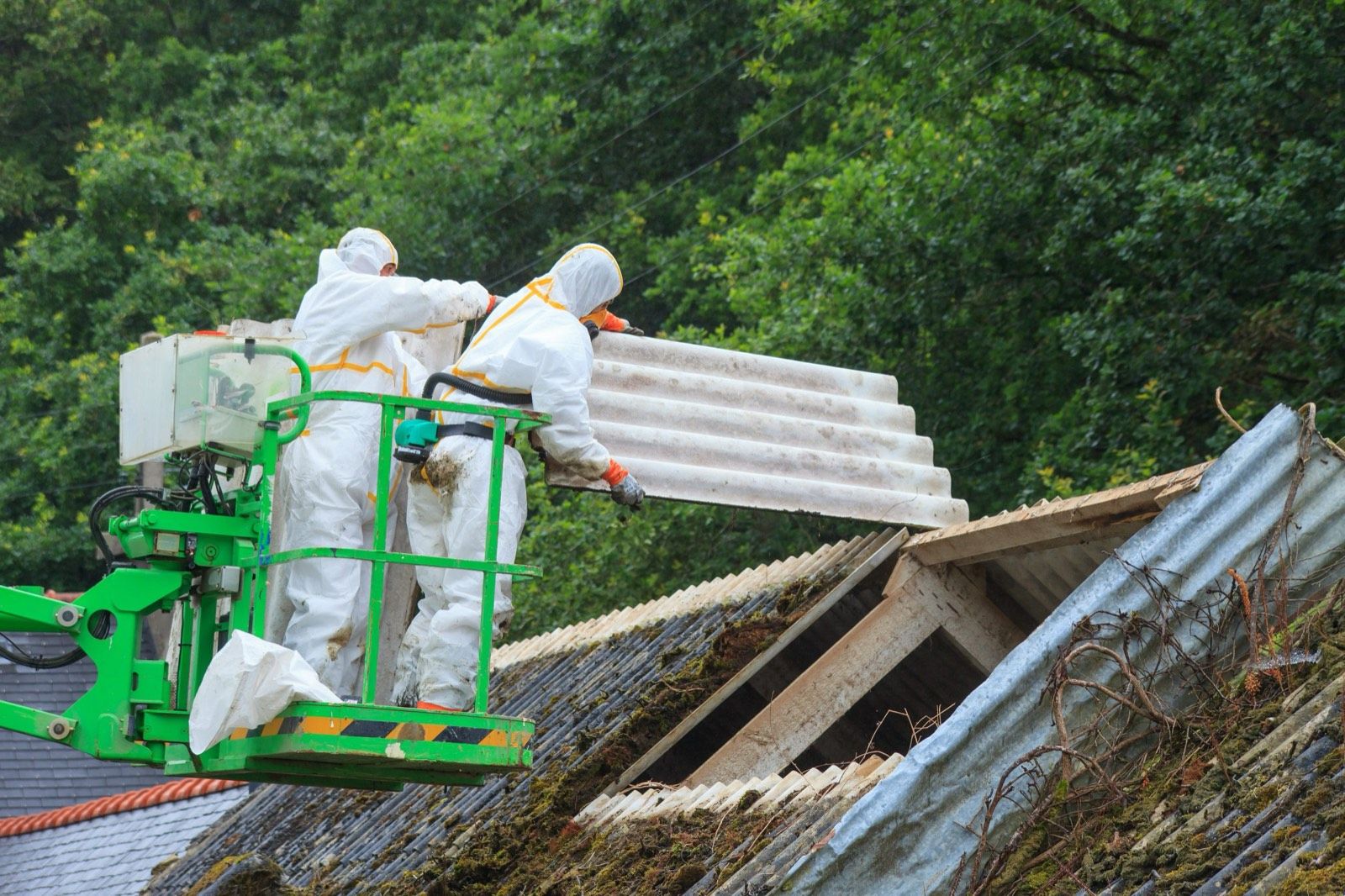
Working in a home that is still lived in
Most ceiling jobs in Staines happen in occupied houses and flats. People are not moving out for a week while a back bedroom ceiling comes down, so the work has to be clean enough to happen around them. That is the whole point of how an indoor job is set up. The room is sealed off from the rest of the home, doorways and any vents closed up, floors and anything left in the room protected with sheeting. In a terrace or a flat where you share walls and landings with neighbours, keeping the dust inside one room matters even more.
Commercial-grade air filtration runs inside that sealed space the whole time, pulling fibres out of the air rather than letting them drift down the hall. The coating or board is taken down damp to keep dust low, double-bagged and kept inside the contained area until it leaves the property as the controlled waste it is. Nothing is rushed out through the kitchen, and nothing is left lying around for the family to step past.
When the removal is finished the room is cleaned down thoroughly, surfaces wiped and the area gone over before anyone signs it off. Then, before the seals come off, there is air testing to check the fibre count has dropped back to a safe level. Nobody goes back in, and no decorating starts, until that result is clear. For a single ceiling that whole sequence, sampling aside, often runs across part of a day rather than dragging on for the week people sometimes brace themselves for.

How a Staines ceiling job actually runs
It usually begins with a phone call about a ceiling someone has lived under for years without a second thought, often because a loft conversion, a rewire or a new boiler is about to disturb it. Sometimes it is a buyer or a surveyor flagging it before a sale, sometimes a landlord sorting a property between tenants. The first step is the sample, not the removal. Once the lab confirms what the material is, the plan follows from there: a wet, contained strip for an artex ceiling, or the fuller licensed approach for AIB.
Where it is licensed work, more is involved. There are 14 days of notice to the HSE before it starts, a full enclosure built around the area, and four-stage clearance testing carried out by an independent analyst at the end, so the all-clear comes from someone with no stake in the job. That layer is not needed for ordinary artex, which keeps simpler jobs simple and saves you paying for procedures that do not apply.
The person doing the work is Graham, who owns Clearaway and runs the local jobs himself out of Chessington in KT9, a short run over to Staines. Samples go to a UKAS-accredited laboratory, and the air testing is part of the price, not an extra. Clearaway holds Spectra licence number 142305706 and has spent more than seven years working on these properties across Staines and the wider area, so the older ceilings around TW18 and TW19 are familiar ground. If you have a ceiling you are unsure about, the number to call is 0800 024 6168.

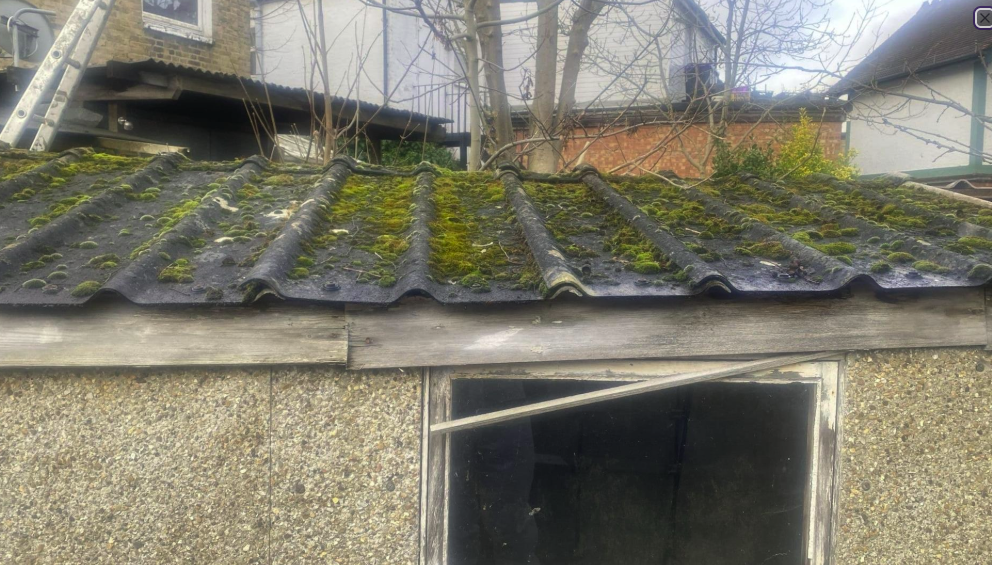
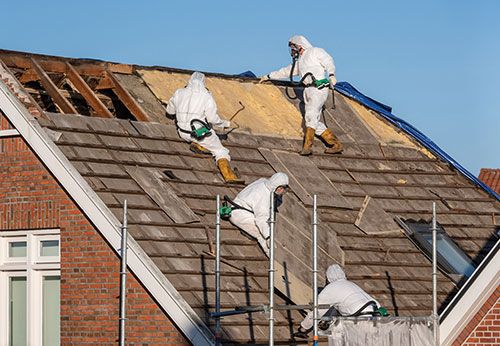
Asbestos Roof Removal and Framework Strip, Claygate
Claygate, Surrey · Roof Removal
View this project"Graham has organised two jobs for me, both of which ran smoothly and on time. Clive and the team are really great, they completed the work in the agreed time and left the site spotless. Would recommend using Clearaway if you need any work done."
Why Choose Clearaway
Specialist Crew
Asbestos work is all we do, every day, across the South East.
Fully Licensed
Licensed asbestos removal contractor (Licence No. 142305706). Full public liability insurance on every job.
Local & Fast
Surrey-based. Most domestic jobs are booked in and finished within a week.
Our Own Team
We never subcontract. The people who quote your job are the people who do it.
Frequently Asked Questions
Our Removal Process
From first call to final certificate, every job follows the same clear four-step process.
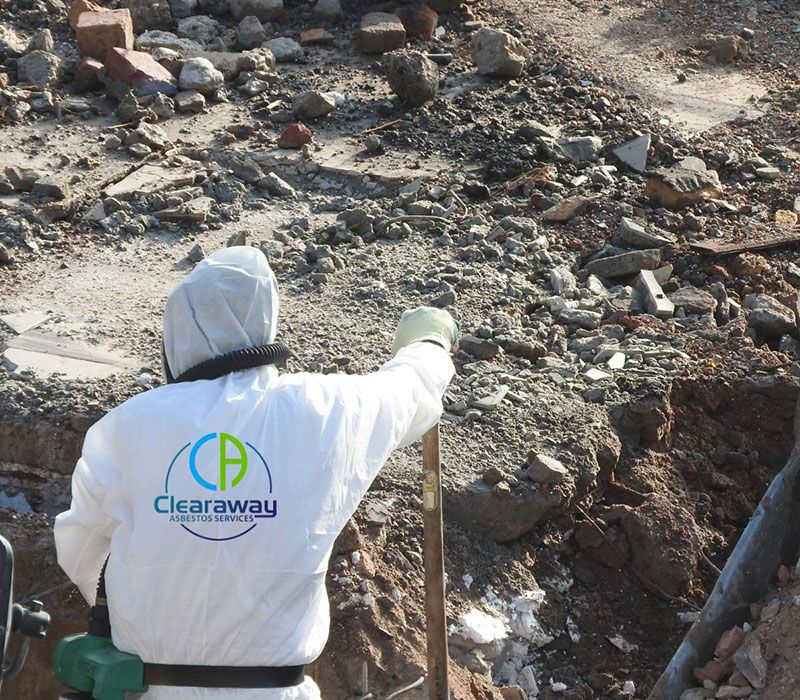
Survey
We inspect the property and confirm the material. Sampling available if required.
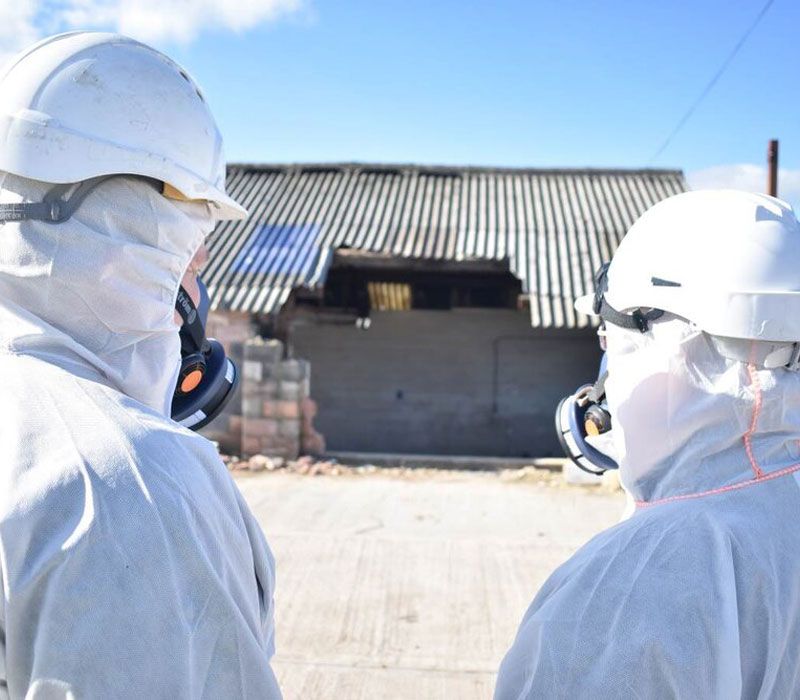
Quote
Fixed written price covering removal, disposal and any replacement work.
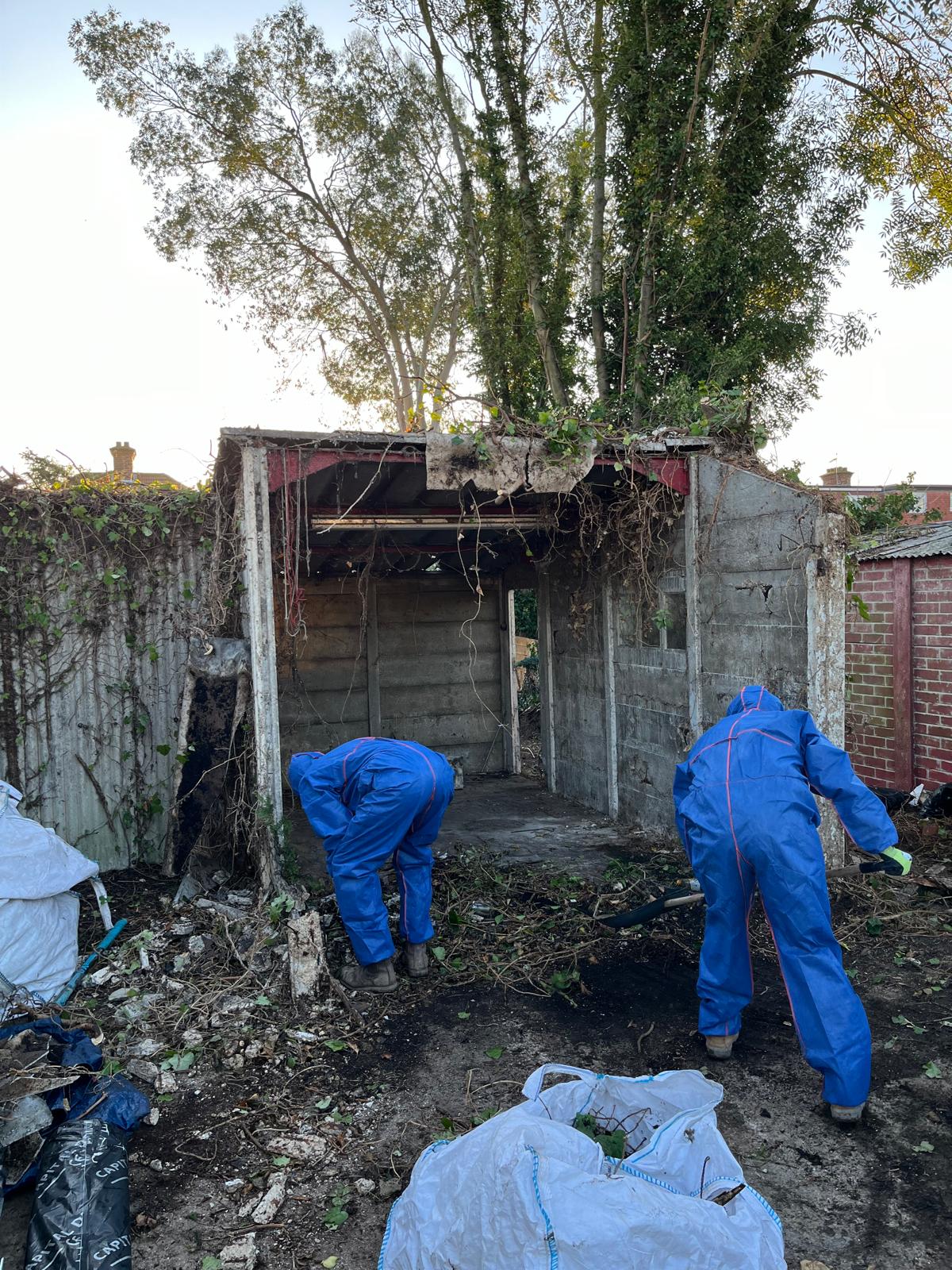
Removal
Material is removed safely, double-wrapped and taken to a licensed disposal facility.
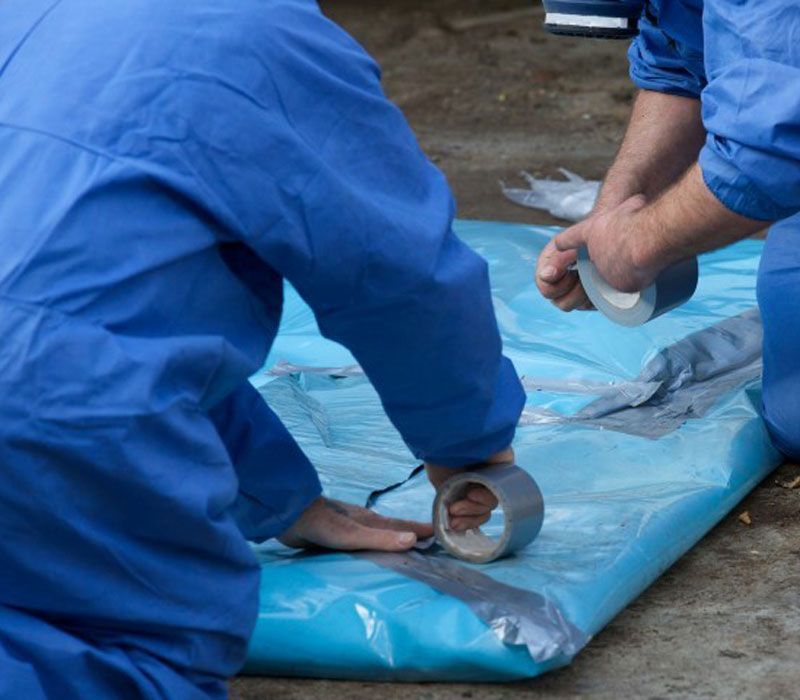
Certificate
You receive a waste consignment note and disposal certificate confirming legal handling.
Get in Touch
Send a few details about your project and we will come back the same working day with a fixed price. We cover Surrey, London and the South East, including Esher, Cobham, Kingston, Richmond, Epsom, Guildford, Woking and Croydon.