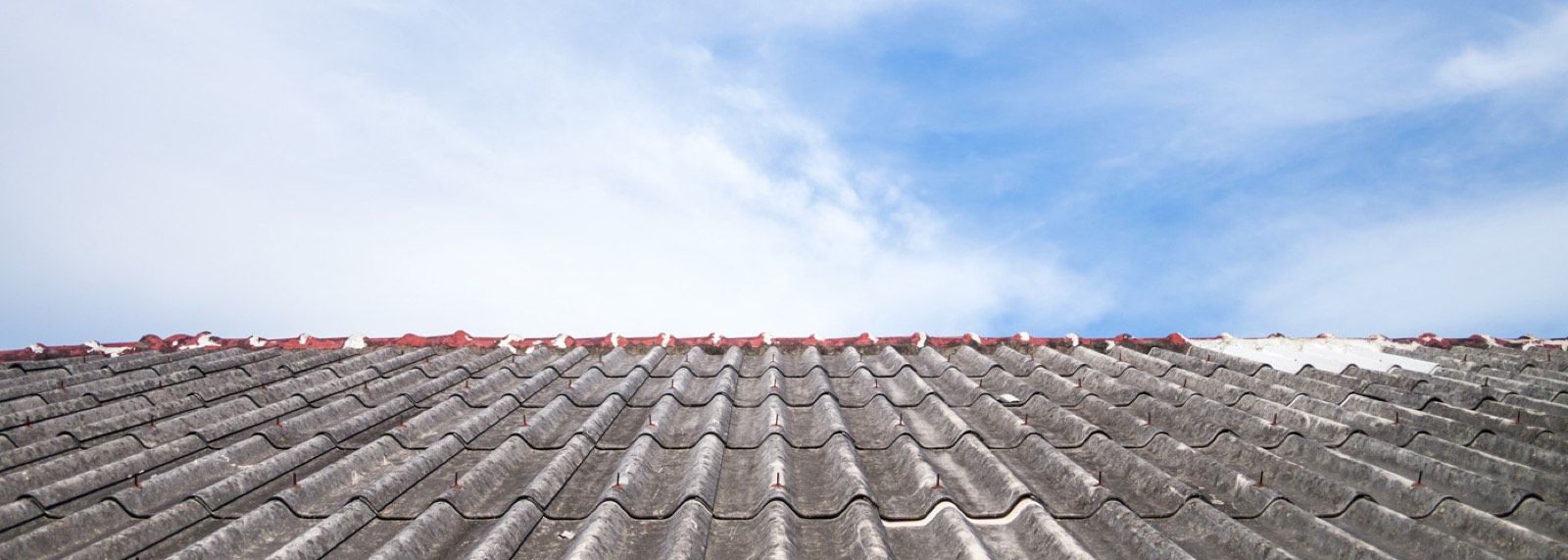
Asbestos Ceiling Removal in Richmond
In Richmond, the asbestos worth worrying about is often above your head. Textured artex on ceilings, insulating board around a boiler, hidden in the older terraces off Richmond Green and the converted villas towards Kew and Petersham.
The ceilings in Richmond's older homes
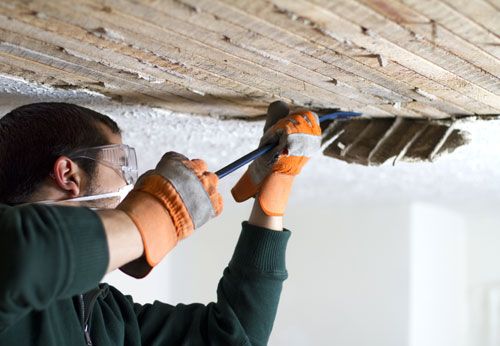
Walk through the Georgian terraces around Richmond Green or climb the streets off Richmond Hill towards the protected view over the Thames, and the ceilings tell a story the front elevation hides. A lot of these houses were redecorated through the 1960s, 70s and 80s, and a textured artex finish was the look of the day. It went onto ceilings and sometimes walls, swirls and stipples and patterns that were fashionable at the time. Plenty of it is still there under later coats of paint, untouched for decades because nobody had a reason to go near it until a refurbishment came along.
The other indoor material we find sits out of sight. Asbestos insulating board, usually shortened to AIB, was used as a fire-resistant lining. In Richmond it tends to turn up around old boilers, in airing cupboards, on the underside of stair soffits, and as ceiling panels in the flat conversions that fill the Victorian and Edwardian brick by the riverside. The TW9 and TW10 streets near Kew, East Sheen and Petersham have the same pattern, villas and semis carved into flats over the years, and every conversion meant new fire-resistant linings going in around boilers, ceilings and shared landings. A lot of that lining was AIB, and a lot of it is still in place above the plasterboard or behind a later boxing-in that hides it from view.
Neither artex nor AIB is a problem while it is sound and left alone. The risk comes when someone starts scraping a ceiling flat, pulling out an old airing cupboard, or knocking through during a refurbishment. That is when fibres can be released into a room people live in. A buyer mid-renovation, a landlord turning a flat around between tenants, an owner finally tackling a tired ceiling, those are the moments the question comes up, and it is always better asked before the work starts than after.
Artex and AIB are not the same risk
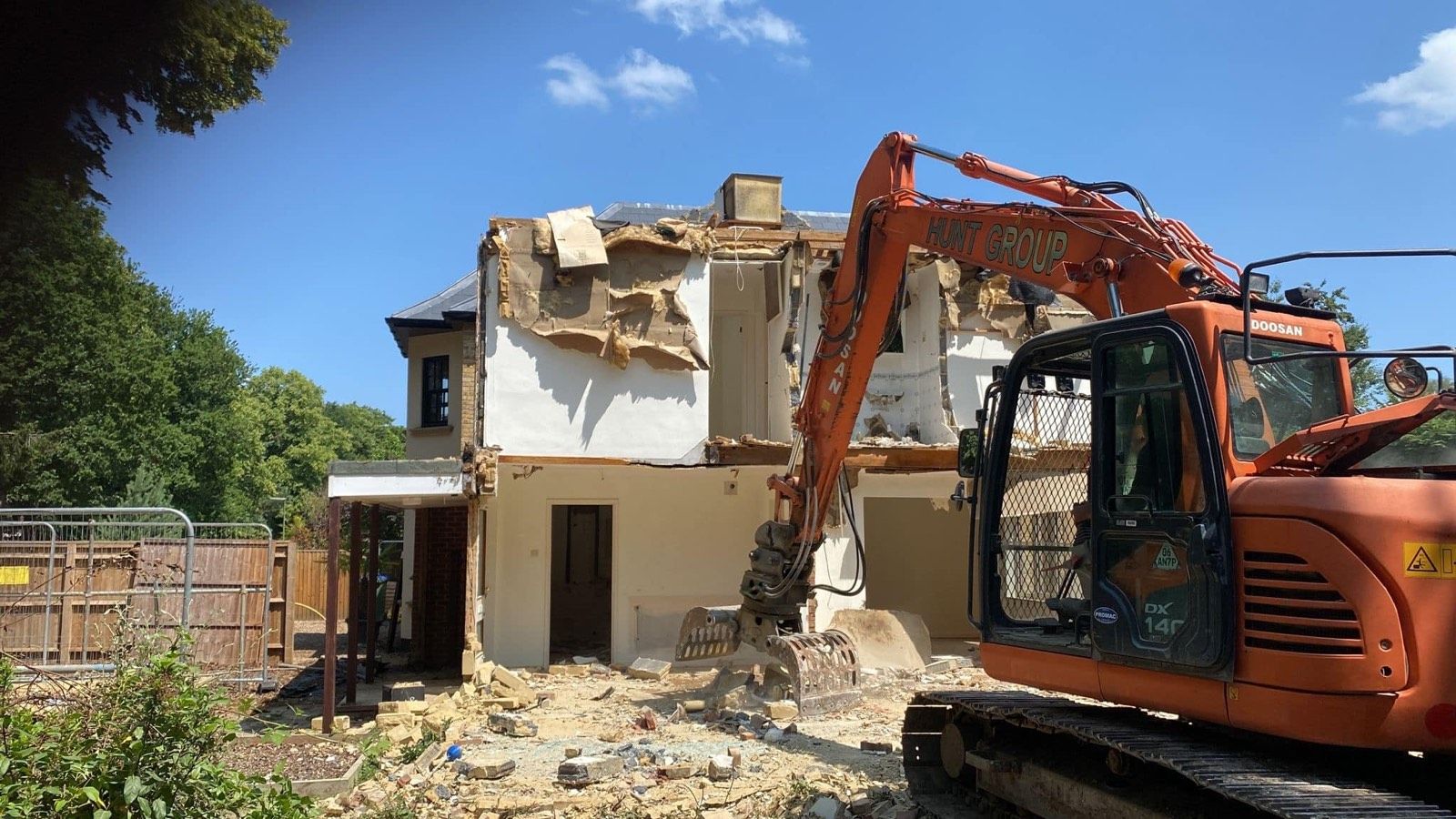
These two materials look nothing alike once you know what you are looking at, and they carry very different levels of risk. Artex is a coating. The asbestos content is bound into the plaster, so it is generally lower risk, and removing it is often non-licensed work as long as it is done properly and kept wet. AIB is a board, softer and more friable, and it lets go of fibres far more readily. Work on AIB is higher risk and licensed.
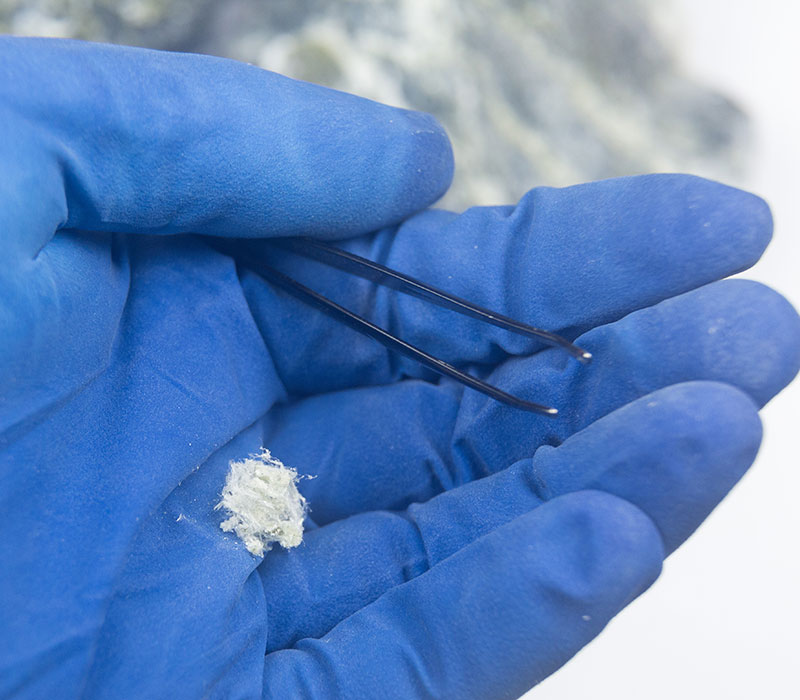
The trouble is you cannot tell which is which by eye, and you certainly cannot tell whether a given ceiling contains asbestos at all just by looking at the pattern. A swirl on one ceiling might be a 1990s asbestos-free product; the identical swirl two doors down might be the real thing. The pattern was sold long after the asbestos versions were phased out, so the look on the ceiling tells you nothing about what is in it. So we sample first. A small piece goes to a UKAS-accredited laboratory, the result comes back in a few working days, and only then do we know what we are actually dealing with and how the job has to be run.
Getting that step right matters more in Richmond than most places, because so much of the work happens inside homes that are still lived in, and often inside houses where the ceilings themselves are worth protecting.
Working inside an occupied Richmond home
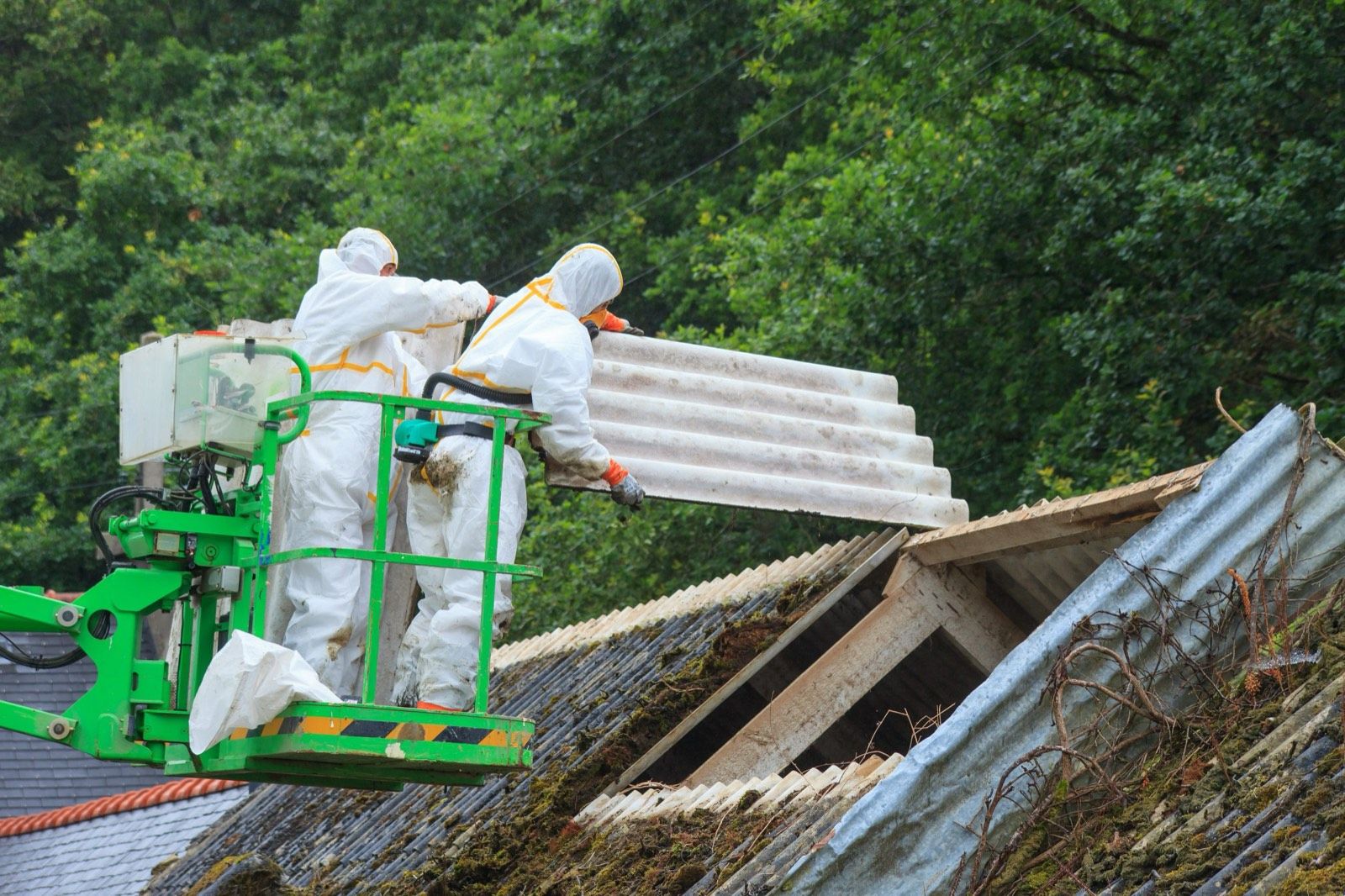
Most ceiling jobs here are not empty-house jobs. People are living in the flat, or the rest of the family is carrying on around a single room being done. So the room is sealed off before anything starts. We close the doorways, isolate the space, and run commercial-grade air filtration that keeps the working area under negative pressure, drawing fibres into the filter rather than letting them drift through the rest of the home. The artex is kept wet as it comes off, waste is double-bagged and removed, and the room is cleaned down.
Nothing gets a clear until the air has been tested. An air test confirms the fibre count has dropped to a safe level before anyone moves back in, and on a family home that reassurance is the whole point of doing it this way. It is the difference between a room you have been told is fine and a room that has been measured and proven to be.
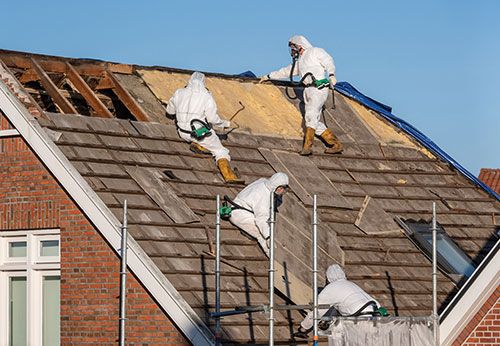
If sampling shows AIB rather than artex, the work steps up. Licensed AIB removal means 14 days notice to the HSE before the job begins, a full enclosure built around the work, and a four-stage clearance check signed off by an independent analyst who does not work for us. The enclosure seals the room properly, the analyst inspects it, tests the air and checks the clean is genuine, and only a pass on all four stages lets the space go back into use. It is a slower, more involved process, and on the higher-risk indoor materials it is not optional.

Listed ceilings and conservation streets
Large parts of Richmond are conservation areas, and many of the Georgian and Victorian houses are listed. That changes how an indoor job is approached. A run of original cornice, a moulded plaster ceiling, panelling and joinery that have survived a couple of centuries, none of it can be treated as something to rip through to reach the asbestos behind it. The removal still has to be done, but it is planned around the fabric that has to stay, and around any listed building consent or conservation-area conditions the wider project is working under.
In practice that means slower, more careful work. Protecting an original ceiling while taking out a later artex coating or an AIB panel above it is a different job from clearing a plain plasterboard ceiling, and it has to be thought through before the sealing goes up. There is also the access to think about, since scaffold, parking and skip permits on these streets are planned around the conservation restrictions, and certain roads need notice before work begins. On these properties asbestos removal rarely happens in isolation, so we fit it around the rest of the project rather than treating it as a standalone strip-out.
Clearaway is based in Chessington in KT9, and the owner Graham runs local jobs himself, so the survey, the sampling and the conversation about how to protect a ceiling are all had with the person doing the work. We have spent more than seven years on the houses across this part of Surrey and hold Spectra licence number 142305706. If you have an artex ceiling or suspect board to deal with in Richmond, call 0800 024 6168 and we will talk through what your ceiling actually needs.

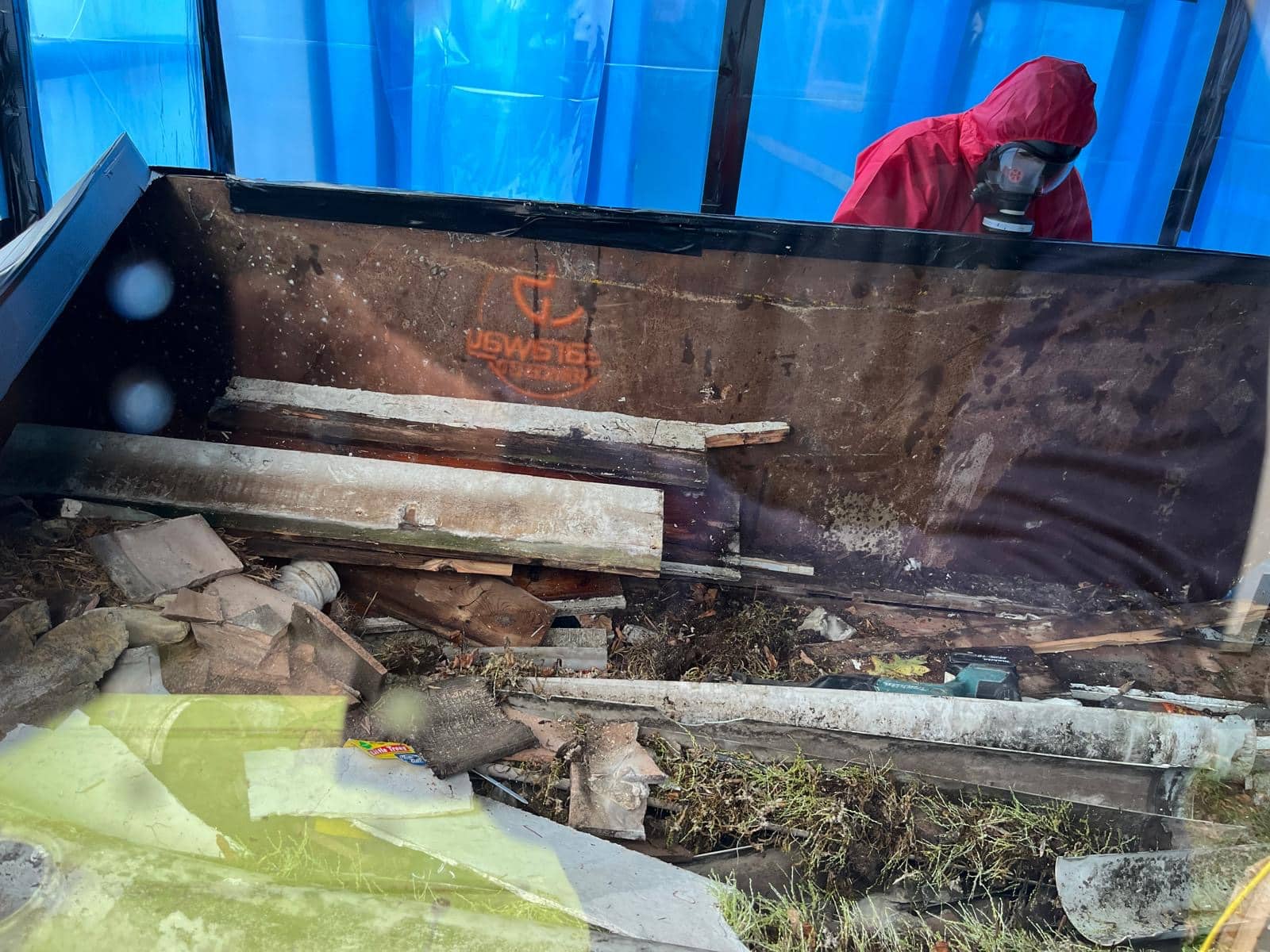
Licensed Asbestos Removal, Weybridge
Weybridge, Surrey · Licensed Removal
View this project"I used Clearaway Asbestos recently for an asbestos garage removal in my home. The staff were really friendly and professional and put me at ease the whole time they were working. I would recommend Clearaway Asbestos to anyone who needs asbestos removal services!"
Our Removal Process
From first call to final certificate, every job follows the same clear four-step process.
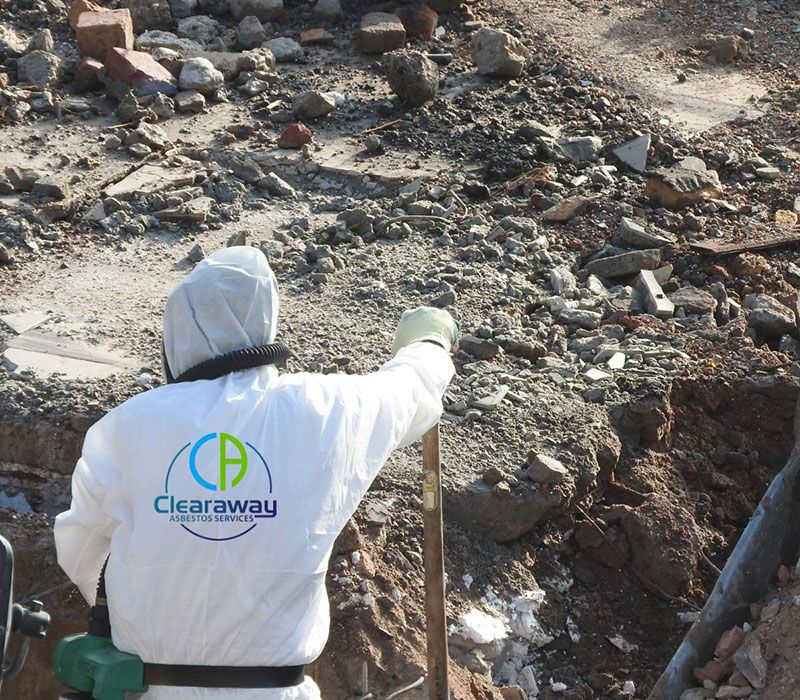
Survey
We inspect the property and confirm the material. Sampling available if required.
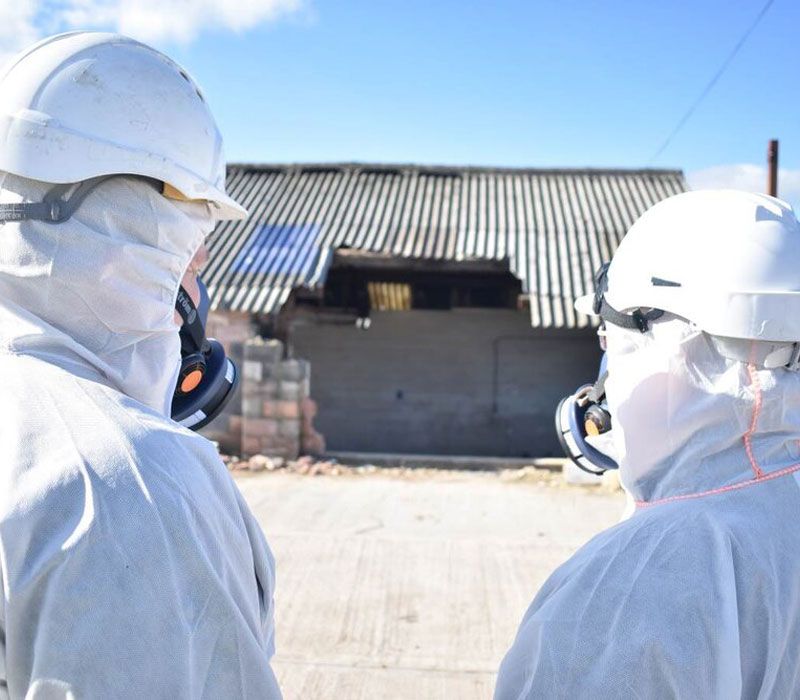
Quote
Fixed written price covering removal, disposal and any replacement work.
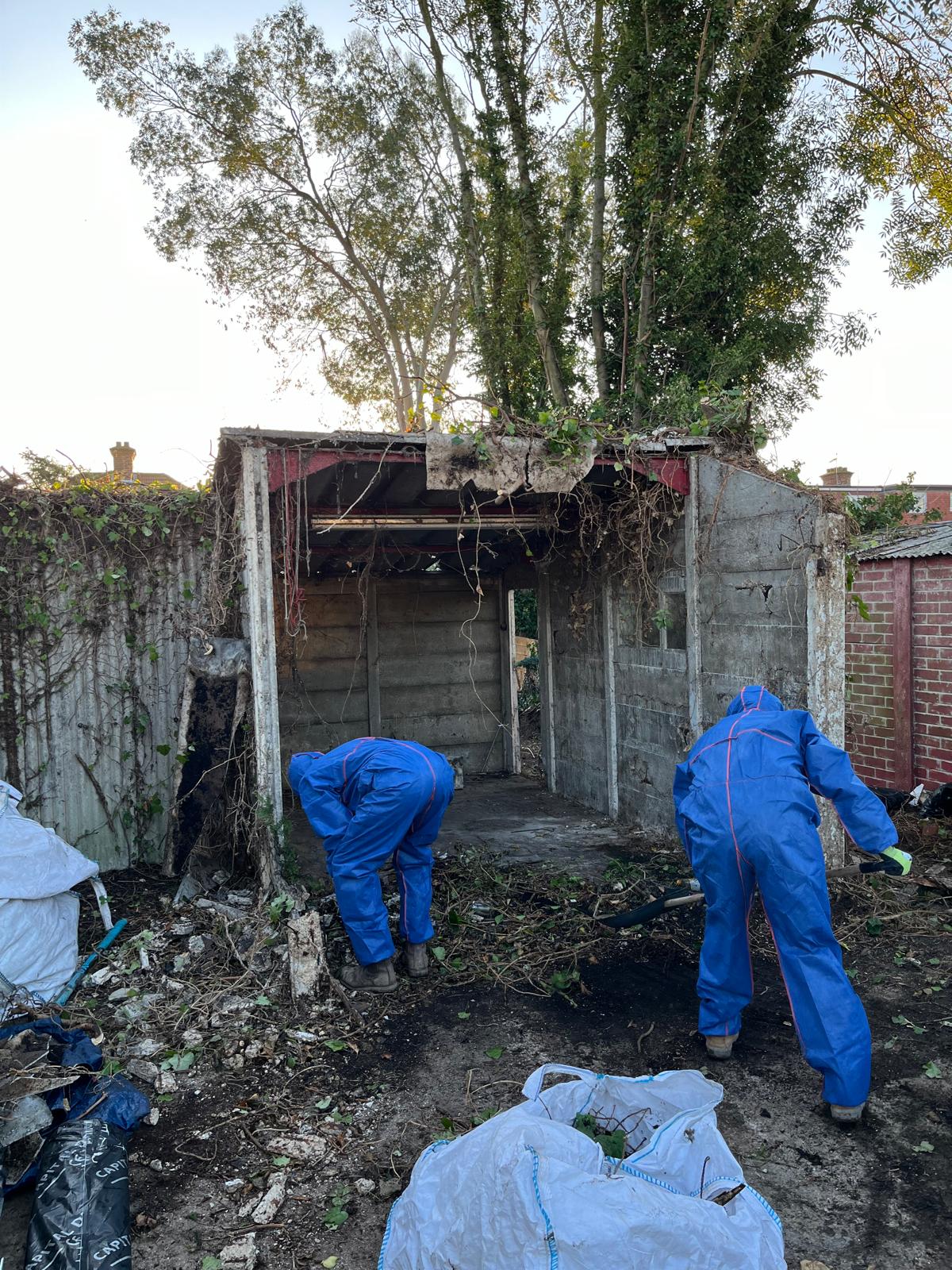
Removal
Material is removed safely, double-wrapped and taken to a licensed disposal facility.
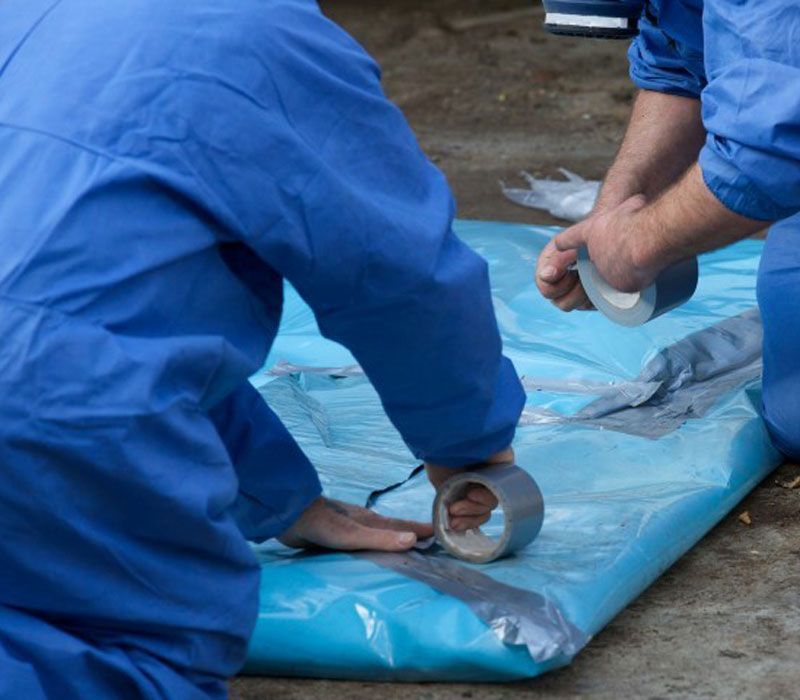
Certificate
You receive a waste consignment note and disposal certificate confirming legal handling.
Frequently Asked Questions
Why Choose Clearaway
HSE Licensed Removal
Higher-risk material handled under full enclosure, with the 14 days of HSE notice the law requires and independent clearance testing.
Planning Aware
Used to conservation areas and listed buildings: scaffold and access planned around the restrictions, original fabric protected.
Fully Licensed
Licensed asbestos removal contractor (Licence No. 142305706). Full public liability insurance on every job.
Our Own Team
We never subcontract. The people who quote your job are the people who do it.
Get in Touch
Send a few details about your project and we will come back the same working day with a fixed price. We cover Surrey, London and the South East, including Esher, Cobham, Kingston, Richmond, Epsom, Guildford, Woking and Croydon.