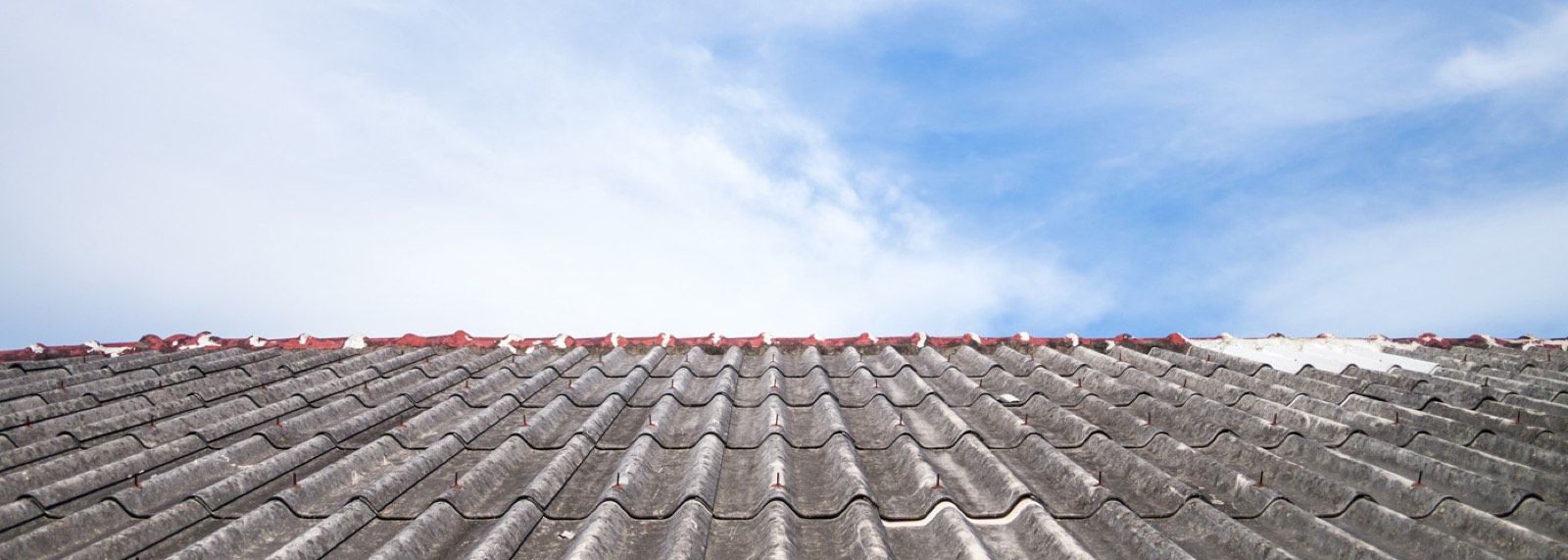
Asbestos Ceiling Removal in Hove
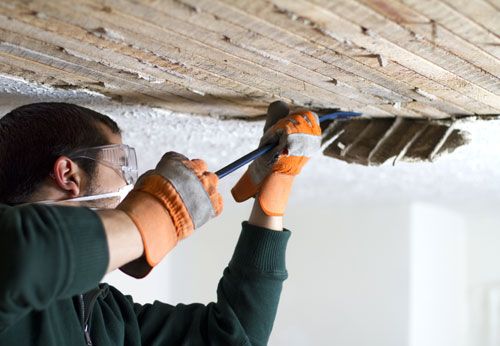
In Hove's Regency and Victorian seafront flats, the asbestos is rarely on the roof. It is overhead, in textured artex and old ceiling board. Clearaway removes it cleanly, then air tests the room before anyone moves back in.
Why Hove ceilings hide the problem
Walk through Brunswick Town, Adelaide Crescent or the streets around Palmeira and you are looking at some of the finest Regency and early Victorian stucco on the south coast. Grand seafront terraces and squares, much of it listed, much of it conservation area, nearly all of it long since divided into flats, maisonettes and conversions. Out past the seafront, towards Hangleton and Portslade, the housing shifts to interwar and postwar suburban stock with gardens and garages. The grandeur is on the outside. The asbestos, where it exists, tends to be overhead in the rooms people actually live in.
In this kind of period flat the suspect material is commonly one of two things. The first is textured artex, the swirled or stippled coating brushed across ceilings for decades. The second is asbestos insulating board, known as AIB, fitted as ceiling panels, as boxing around old heating runs and pipework, and as linings in airing cupboards and around boilers. Both went in long before asbestos was banned in the UK in 1999, and a single conversion can carry layers from several different refits, each owner adding a coating or a board without recording what was already there.
You cannot tell artex from AIB by eye, and you cannot tell either from a modern plasterboard skim by looking up at it from the floor. That is the whole reason ceilings get sampled before anyone touches them. Artex is the lower risk of the two and can sometimes be non-licensed work. AIB sits at the higher-risk end and is licensed in almost every case. The sample settles which job you are actually dealing with, and it does so before a single fibre in the room is disturbed.
Sampling first, then a clear plan
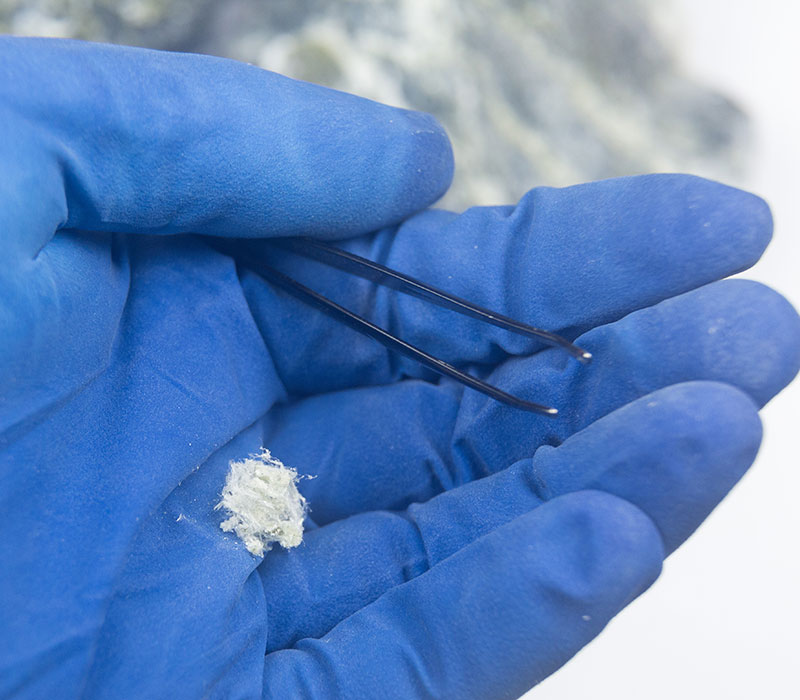
Nothing comes down until a small piece has been to the laboratory. A technician takes a sample of the coating or board under controlled conditions, double-bags it and sends it to a UKAS-accredited lab. Results come back in a few working days and tell you three things at once: whether asbestos is present, which type of fibre it is, and therefore whether the ceiling falls under licensed or non-licensed removal. That is a far cheaper first step than assuming the worst and pricing a full enclosure you may not need.
That result shapes everything that follows. A textured artex ceiling that tests positive but lower risk is a contained, careful strip but a relatively contained one. An AIB ceiling is a different scale of work. AIB was supplied in large flat sheets, a common size being 1220mm by 2440mm, and a single fitted ceiling can hold several of them. Lifting boards that size in an occupied first-floor flat, with neighbours below and a shared stairwell, is exactly the kind of job where the paperwork and the method matter.
For the higher-risk licensed work there is a legal step before a tool is lifted. The Health and Safety Executive must be given 14 days notice, the room is brought under full enclosure, and the job is signed off by four-stage clearance carried out by an independent analyst. None of that is optional, and none of it is something a general builder scraping a ceiling will have in place.
Working clean in an occupied flat
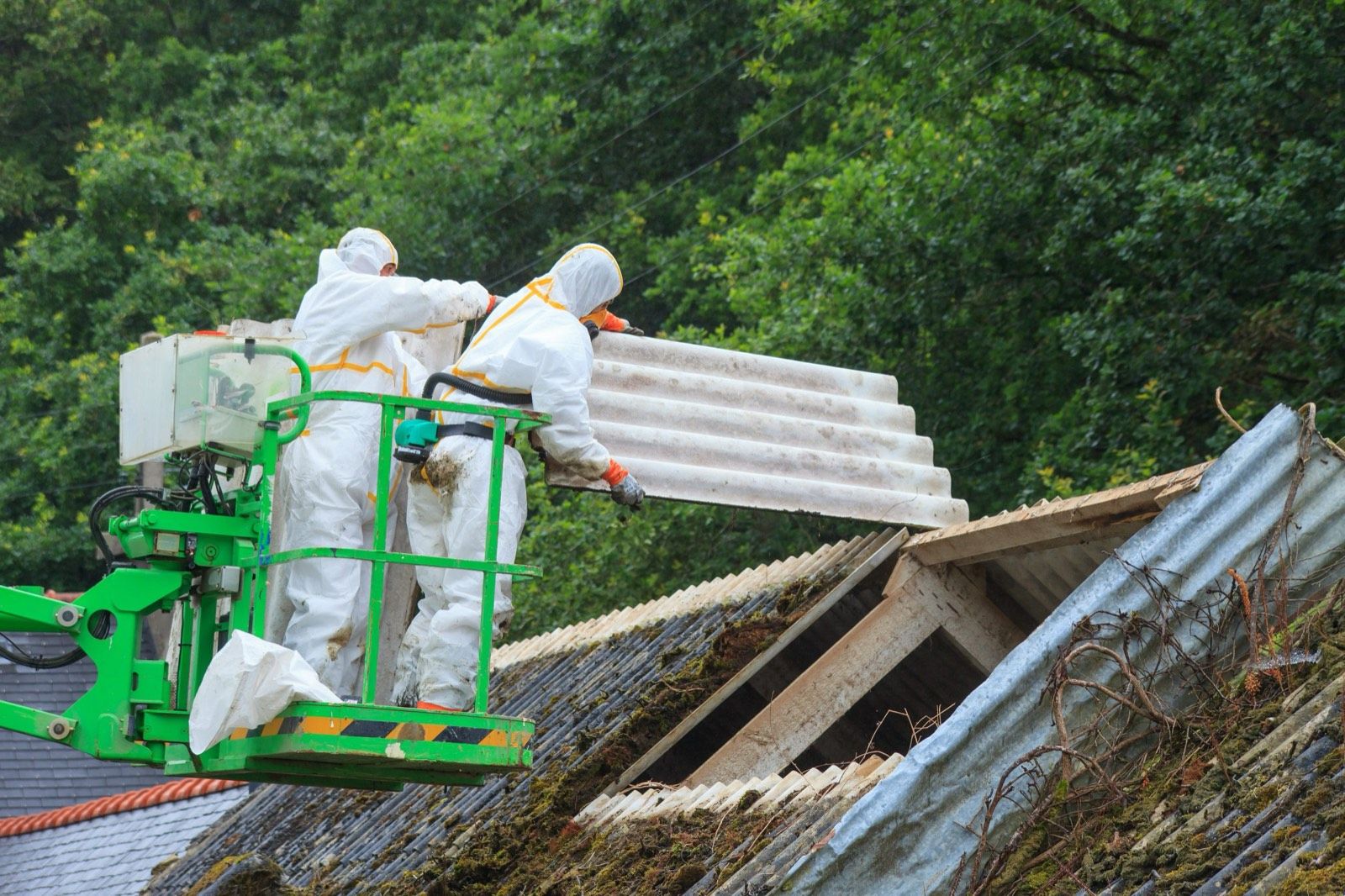
Most ceiling jobs in Hove are in homes people are still living in, frequently a flat in a conversion where the only way in is up a shared stair past other front doors. The work has to be sealed off from everything around it. The room is closed in with sheeting, doorways and vents are taped, and for licensed AIB removal a negative-pressure enclosure is built so that air is always being pulled inward, never pushed out toward the rest of the building and the flats next door.
Inside that enclosure a commercial-grade filtration unit runs throughout, cycling the air several times an hour, around five to ten air changes depending on the size of the space. A modest bedroom ceiling of roughly 12 square metres is a contained, controlled piece of work. A large through-lounge ceiling in one of the bigger Adelaide Crescent flats is the same method scaled up, with the same enclosure and the same filtration, just more of it. Either way the material is taken down in whole pieces where it can be, kept damp so it does not flake, wrapped and removed to a licensed disposal facility rather than broken up on site.
The step that protects the people moving back in is the air test at the end. Once the ceiling is out and the enclosure has been cleaned down, an independent analyst takes a reassurance air sample and measures the fibres in it. The room only passes when the reading is below 0.01 fibres per millilitre of air, the published clearance figure that confirms a space is safe to reoccupy. Nobody returns to that room until the certificate says so, and the certificate is yours to keep for the building's records.

Why bring Clearaway down to BN3
Clearaway is based in Chessington in Surrey, postcode KT9, so a Hove ceiling is a long run down to the coast, much the same trip as Brighton next door. We are honest about that. This is not our local patch, and we are not pretending a quick van call. It is a job we travel for because the credentials are what the work needs, and that weighs most on the larger residential and commercial jobs where a documented, licensed strip-out has to stand up to scrutiny from a landlord, a freeholder or a buyer's solicitor.
The Regency and conservation setting adds its own planning before any sheeting goes up. Scaffold and access in a listed terrace, narrow communal stairs, listed-building care and neighbours on the other side of a party wall all get worked into the method statement first. Where the higher-risk AIB work applies, the Health and Safety Executive gets its 14 days notice, the enclosure goes in, and the four-stage clearance is booked with an independent analyst, so none of that holds the job up on the day. The owner, Graham, runs the jobs himself, so the person quoting the ceiling is the person responsible for how it is taken out and how the building is left.
If you have a ceiling in a Hove flat or conversion that you suspect is artex or asbestos insulating board, the first move is a sample, not a guess, and the laboratory result comes back in a few working days. Clearaway holds Spectra licence 142305706 and has been removing asbestos across this part of the south coast for more than seven years. To talk through a ceiling and arrange sampling, call 0800 024 6168.

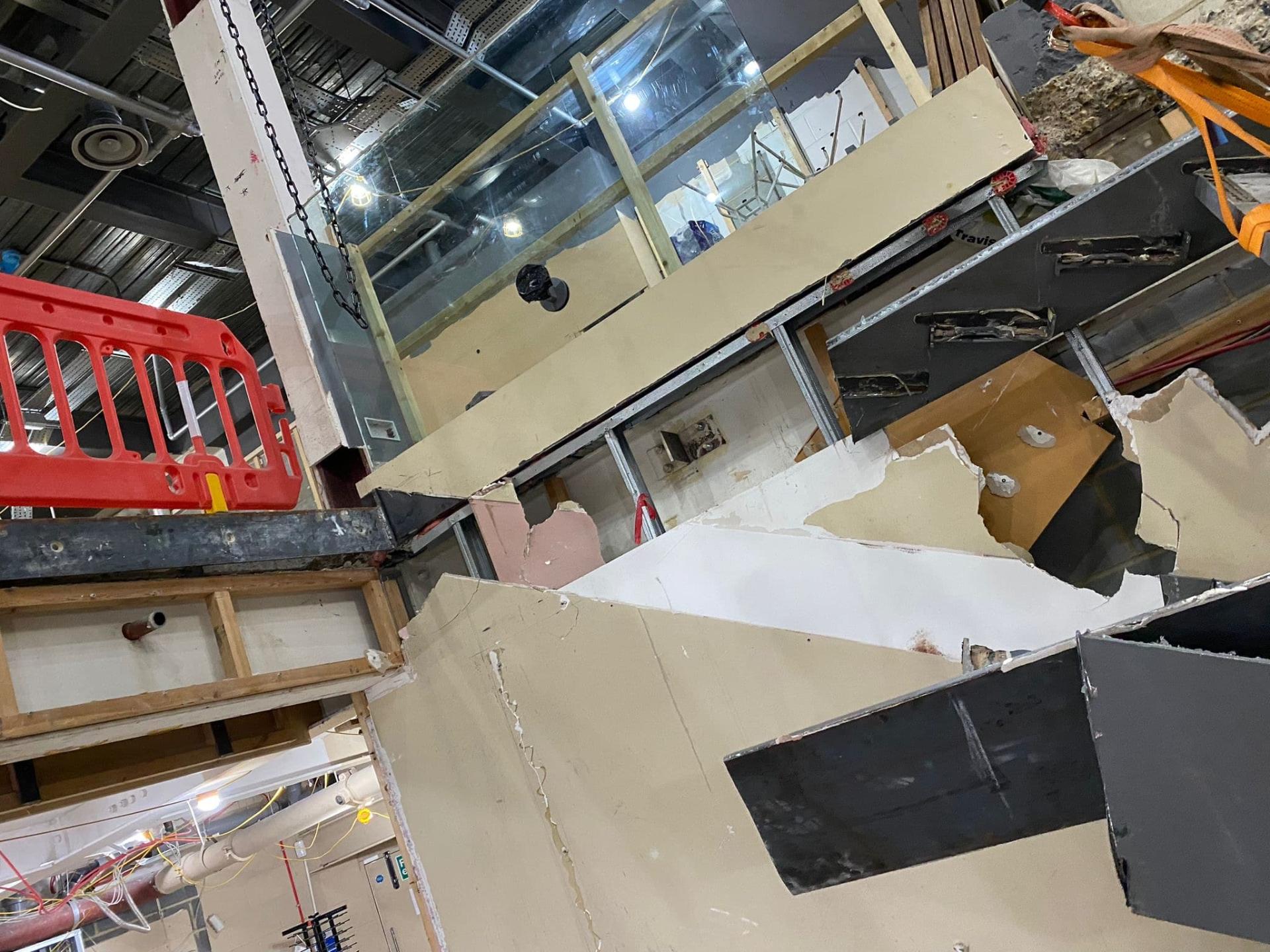
Commercial Building Strip-Out, Kensington
Kensington, South London · Strip-Out
View this project"Graham and his staff done a great job of removing my concrete and asbestos garage thank you"
Frequently Asked Questions
Our Removal Process
From first call to final certificate, every job follows the same clear four-step process.
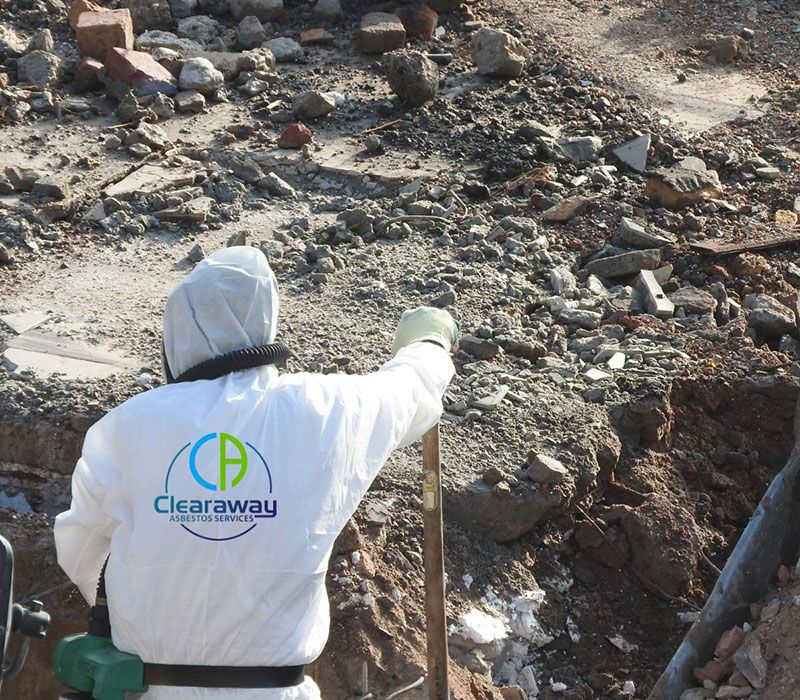
Survey
We inspect the property and confirm the material. Sampling available if required.
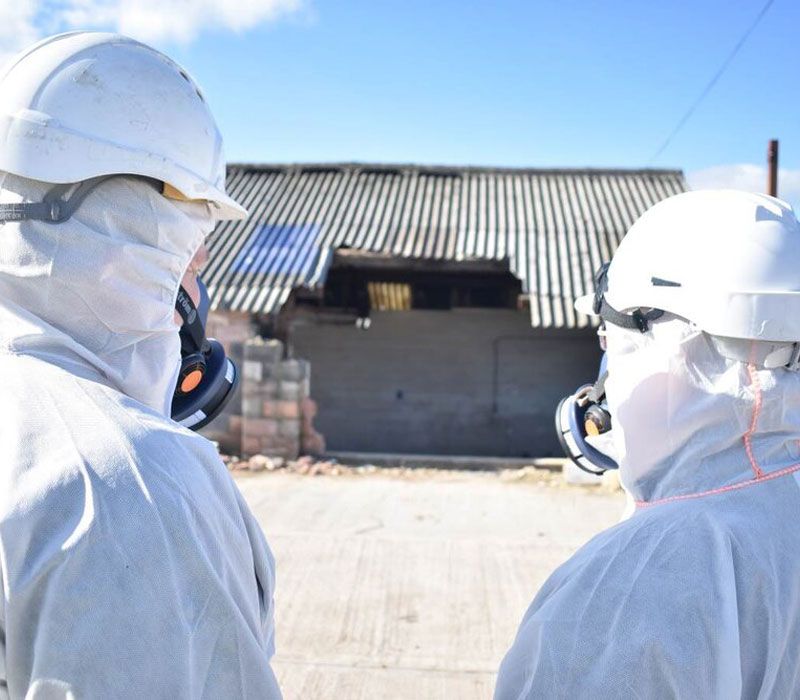
Quote
Fixed written price covering removal, disposal and any replacement work.
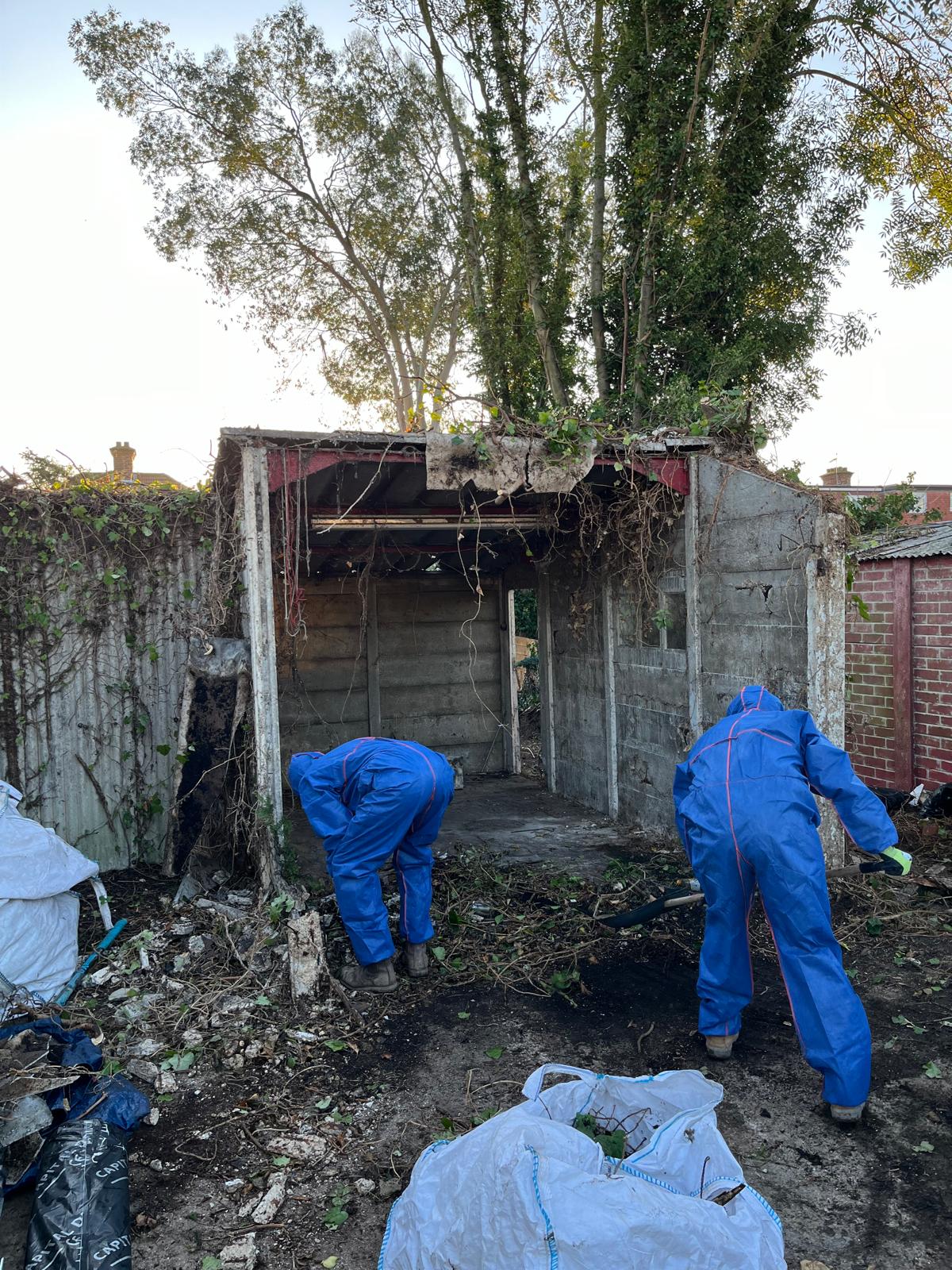
Removal
Material is removed safely, double-wrapped and taken to a licensed disposal facility.
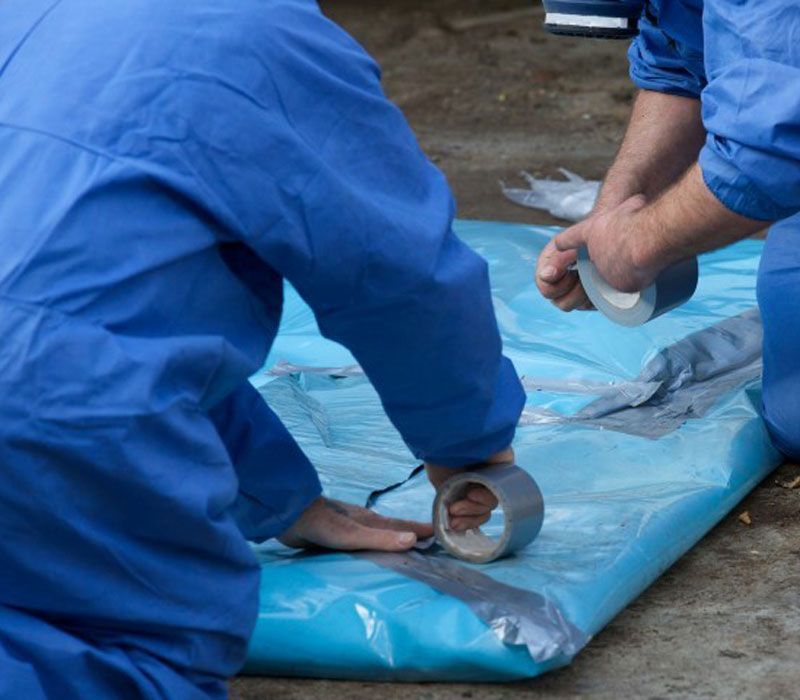
Certificate
You receive a waste consignment note and disposal certificate confirming legal handling.
Why Choose Clearaway
Specialist Crew
Asbestos work is all we do, every day, across the South East.
Fully Licensed
Licensed asbestos removal contractor (Licence No. 142305706). Full public liability insurance on every job.
Local & Fast
Surrey-based. Most domestic jobs are booked in and finished within a week.
Our Own Team
We never subcontract. The people who quote your job are the people who do it.
Get in Touch
Send a few details about your project and we will come back the same working day with a fixed price. We cover Surrey, London and the South East, including Esher, Cobham, Kingston, Richmond, Epsom, Guildford, Woking and Croydon.