Asbestos Ceiling Removal in Dorking
Asbestos ceiling and artex removal for Dorking homes and flats, from the period terraces off South Street to the postwar houses around North Holmwood and Pixham. Sealed rooms, air filtration, and a tested clean before anyone moves back in.
The Asbestos You Live Underneath
Most people in Dorking picture asbestos as something out in the garage, on the roof of a shed at the bottom of the garden. A fair amount of it is actually indoors, sitting above your head while you watch television. The textured artex swirled across ceilings in the pre-1990s terraces off South Street and the Deepdene, the insulating board panelled into an airing cupboard or boxed around an old boiler, the ceiling boards in a postwar house around North Holmwood. None of it announces itself. It just looks like a slightly dated finish, often painted over more than once, and people walk underneath it for years without a second thought.
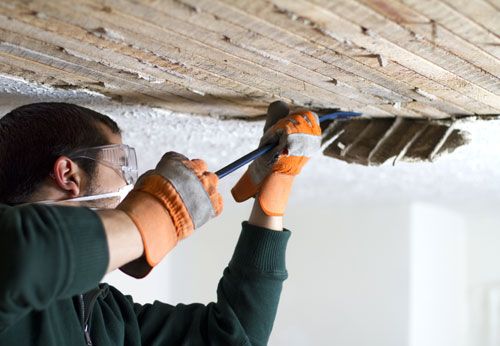
That is what makes ceilings their own kind of problem. A weathered garage roof at least looks suspect. A painted artex ceiling in a tidy front room looks like nothing at all, and it stays that way until someone decides to skim over it, scrape it flat, or pull it down to open up a loft. The risk is not the ceiling existing, it is the ceiling being disturbed, and disturbance is exactly what a refit or a redecoration brings.
Dorking has a lot of housing from the decades when these materials were standard, the terraces near the centre, the interwar semis, the postwar estates that filled in towards Pixham. So the calls about ceilings and the boards behind them come in steadily through the year, often from someone halfway through a job who has lifted a corner of something and stopped to ask what it is. That instinct to stop is the right one. The moment a ceiling is opened up is the moment guesswork stops being safe, and it is a far better phone call to make before the dust starts than after.
Artex and Insulating Board Are Not the Same
Two indoor materials turn up most often, and they sit at very different ends of the risk scale. Textured coatings like artex usually hold a small percentage of asbestos bound tightly into the plaster. Left painted and undisturbed they are often low risk, and a lot of artex work is non-licensed because of that. The fibres only become a problem when the surface is broken up, which is why sanding it back or scraping it off is the worst thing you can do to it.
Asbestos insulating board, or AIB, is a different animal. It was used for ceiling panels, around boilers and in service cupboards, it holds a far higher proportion of fibre, and it gives those fibres up easily when it is cut, drilled or broken. AIB is licensed work, and it is treated with a good deal more caution than a textured coating because a single damaged board can put a lot of fibre into the air of a small room very quickly.
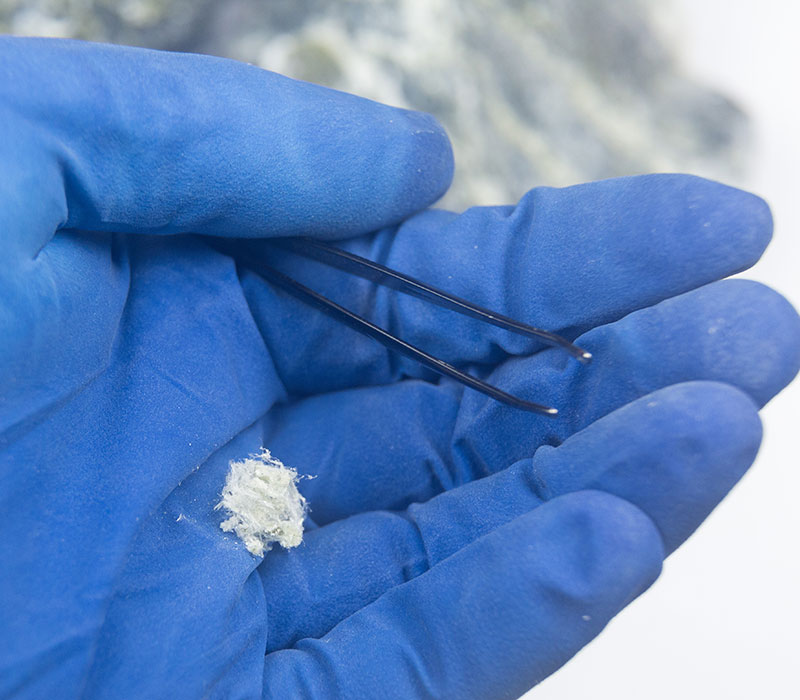
The trouble is you cannot tell which you are looking at from the ground. A painted ceiling panel could be plasterboard, could be AIB, and the two can sit side by side in the same Dorking house, sometimes in adjoining rooms put up at different times. So nothing is assumed. Anything suspect is sampled first and sent to a UKAS-accredited laboratory, results come back within a few working days, and that result decides how the job is run, whether it counts as licensed, and what protection goes in before a tool comes out. We will not scrape, drill or lift a ceiling on a hunch.
Taking a Ceiling Out of a Lived-In Home
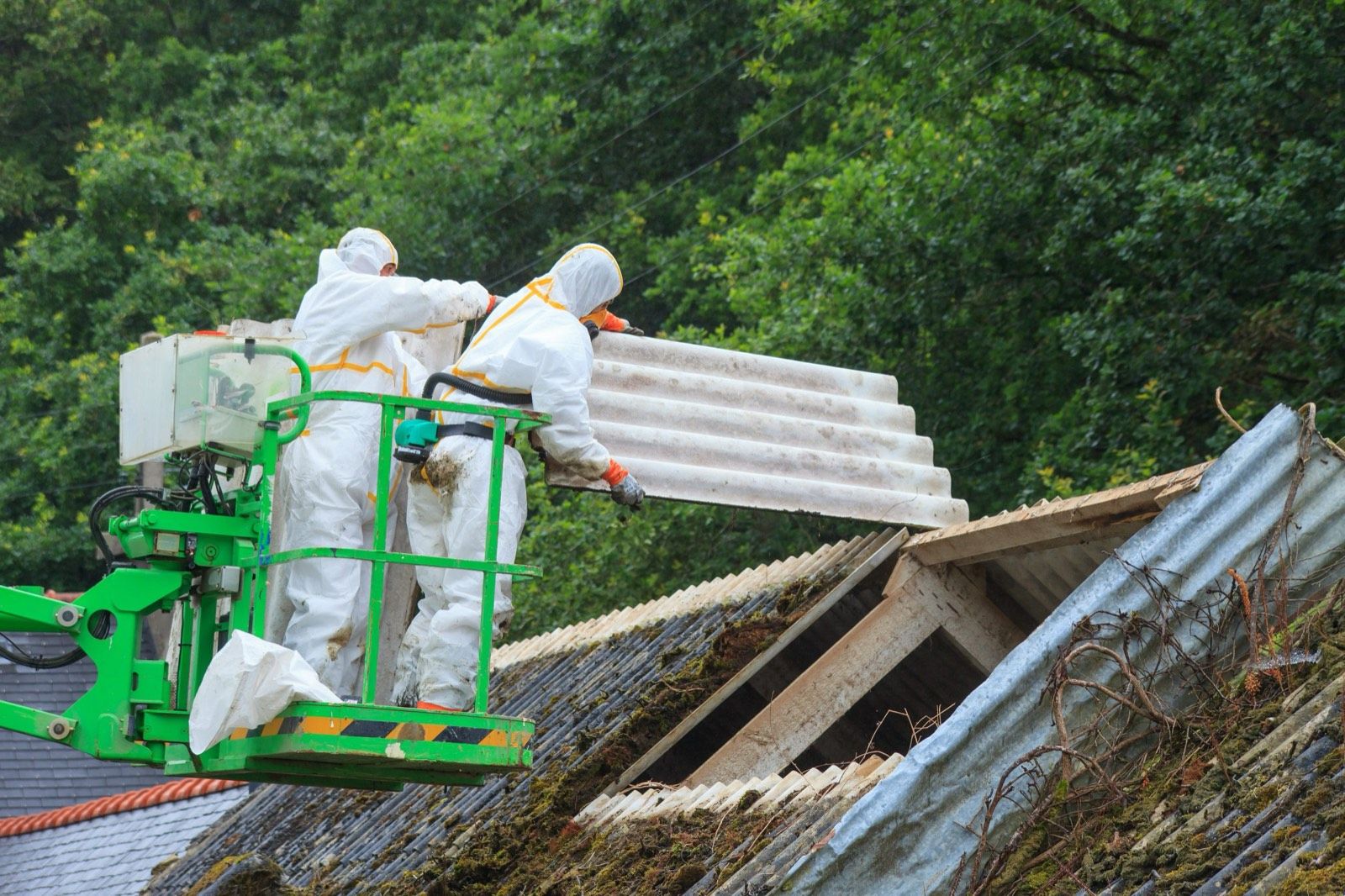
Ceiling work is almost always done in a house people are still living in, which shapes everything about the method. You cannot send a family out for a fortnight while a single bedroom ceiling comes down, so the work has to be sealed away from the life going on around it. The room is closed off from the rest of the home before anything starts, with the doorways and any vents taped up, so fibres released overhead cannot drift down the hall into the kitchen or up the stairs into the bedrooms.
Commercial-grade air filtration runs throughout the work, pulling the air through the room and capturing anything fine enough to be breathed in, so the space is kept under control rather than left to settle. Surfaces are covered, the material is kept damp and brought down in a controlled way rather than knocked about with a bar, and the waste is double-wrapped on the spot and taken to a licensed facility rather than left bagged in the garden. Keeping it wet and keeping it whole are what stop a removal turning into a dust cloud.
The part that matters most comes at the end. Once the ceiling is out and the room is cleaned down, the air is tested before the space is handed back. Nobody walks back into a bedroom or a living room on our say-so. They walk back in because a sample of the air came back clear. For artex and other lower-risk coatings that controlled, tested approach is usually enough on its own to make the room safe to use again, and you get your house back in order without the rest of it ever being exposed.

Higher-Risk Boards and the Paperwork
Where the lab confirms asbestos insulating board, the job steps up to licensed work and the controls go with it. The Health and Safety Executive gets the fourteen days of notice the law requires before that kind of removal begins, so a licensed AIB job cannot be booked in for the morning after the phone call. The work area is built out as a full enclosure with air monitoring running while the boards come down, a sealed space within the room rather than a few sheets of plastic taped to a door.
When it is finished, an independent analyst carries out four-stage clearance testing, checking the site, the cleaning, the enclosure and the air before any of it comes down and the room is signed off. That analyst does not work for us, and that is the point. Their independent check is the line between a ceiling that is genuinely clear and one that only looks it, and it is the same standard whether the job is in a flat near the High Street or a house out towards North Holmwood.
Either way you are left with the consignment notes and certificates that show the material went where it should have, which counts for a great deal when a Dorking home later changes hands and a buyer's solicitor starts asking what was done. Keep that paperwork with the house. We hold Spectra licence number 142305706, we have spent more than seven years working on ceilings and the boards behind them across Surrey, Sussex and south-west London, and every job ends with the paperwork to back it. To arrange a sample or a ceiling removal in Dorking, call 0800 024 6168.

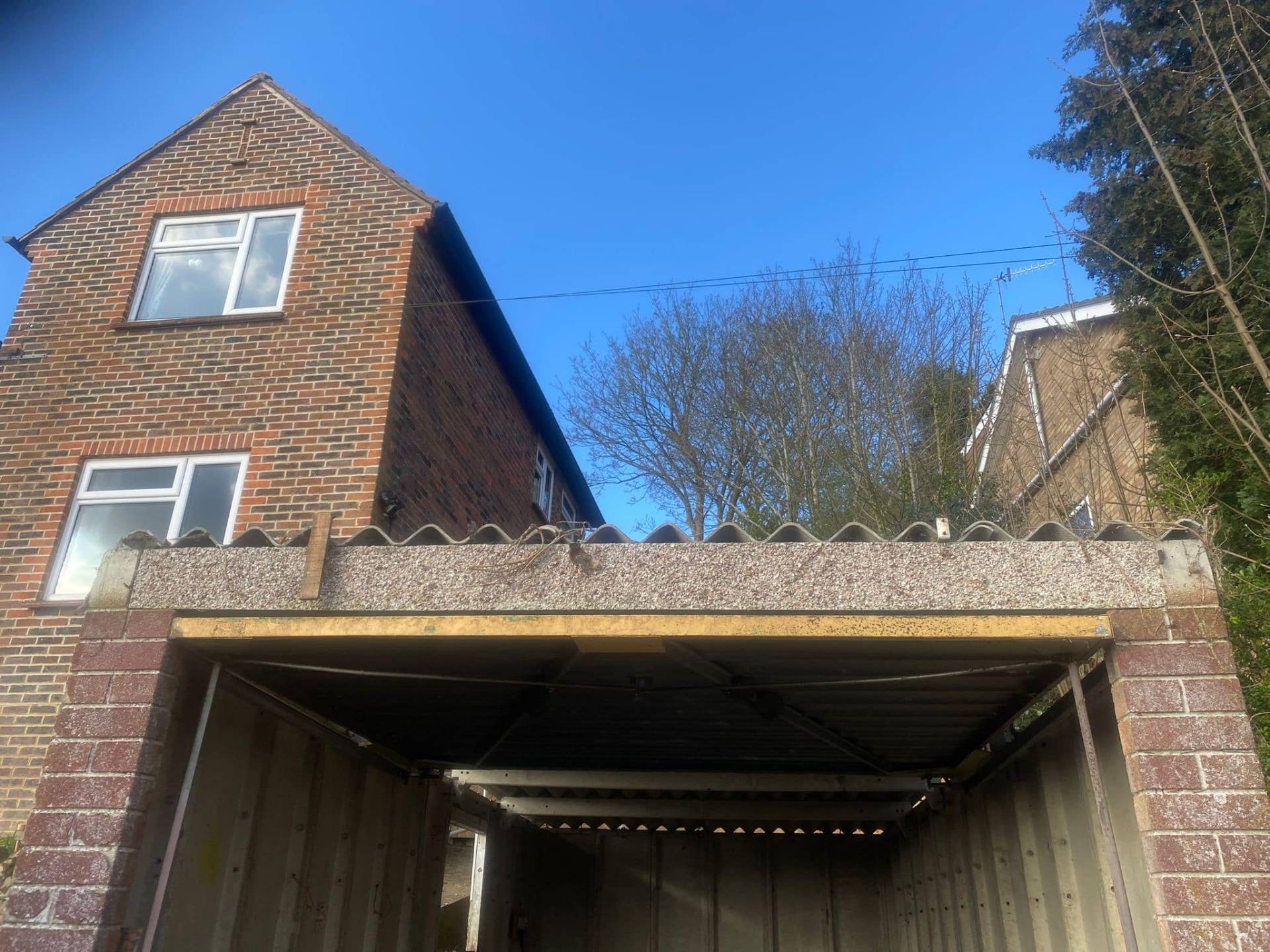
Concrete Asbestos Garage Removal, Guildford
Guildford, Surrey · Garage Removal
View this project"I used Clearaway Asbestos recently for an asbestos garage removal in my home. The staff were really friendly and professional and put me at ease the whole time they were working. I would recommend Clearaway Asbestos to anyone who needs asbestos removal services!"
Our Removal Process
From first call to final certificate, every job follows the same clear four-step process.
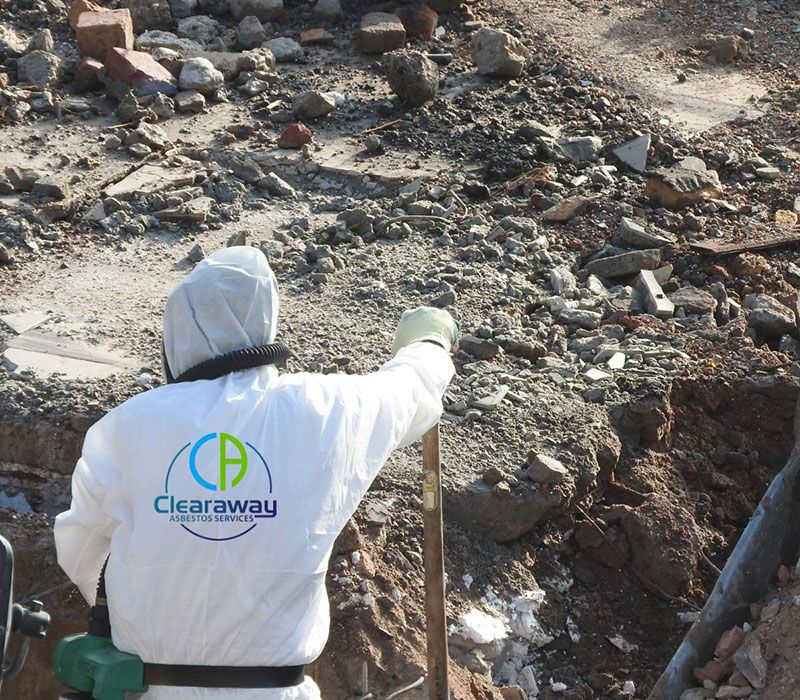
Survey
We inspect the property and confirm the material. Sampling available if required.
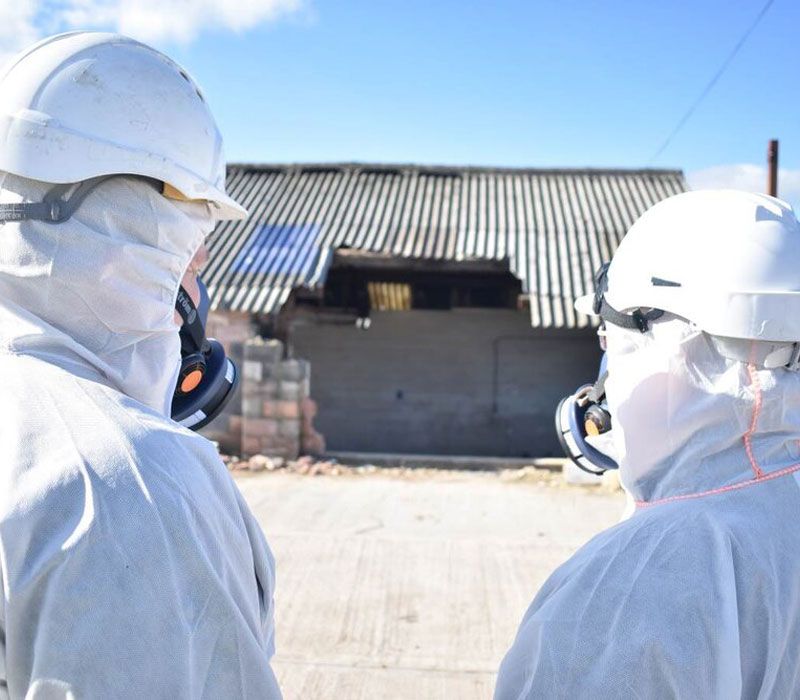
Quote
Fixed written price covering removal, disposal and any replacement work.
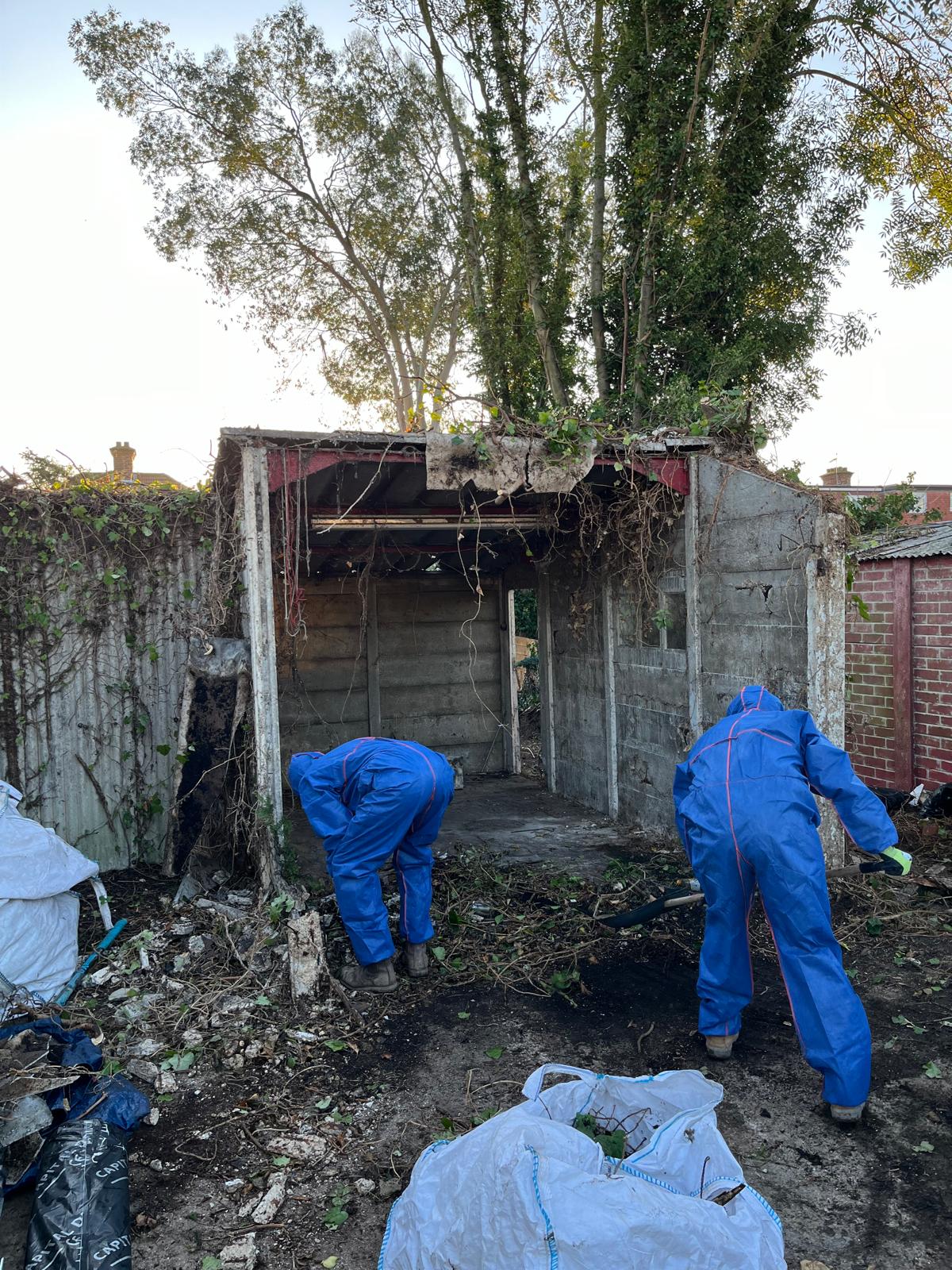
Removal
Material is removed safely, double-wrapped and taken to a licensed disposal facility.
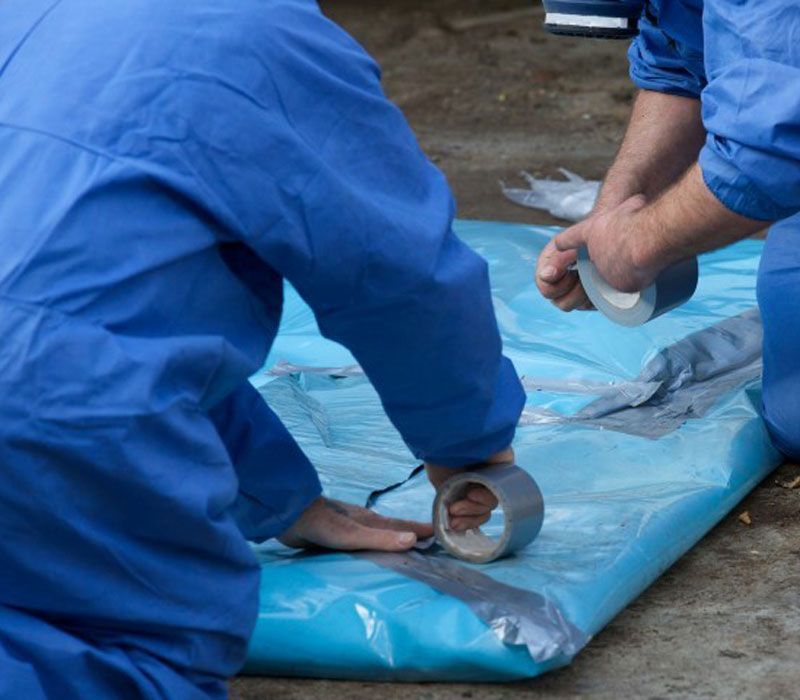
Certificate
You receive a waste consignment note and disposal certificate confirming legal handling.
Frequently Asked Questions
Why Choose Clearaway
Specialist Crew
Asbestos work is all we do, every day, across the South East.
Fully Licensed
Licensed asbestos removal contractor (Licence No. 142305706). Full public liability insurance on every job.
Local & Fast
Surrey-based. Most domestic jobs are booked in and finished within a week.
Our Own Team
We never subcontract. The people who quote your job are the people who do it.
Get in Touch
Send a few details about your project and we will come back the same working day with a fixed price. We cover Surrey, London and the South East, including Esher, Cobham, Kingston, Richmond, Epsom, Guildford, Woking and Croydon.