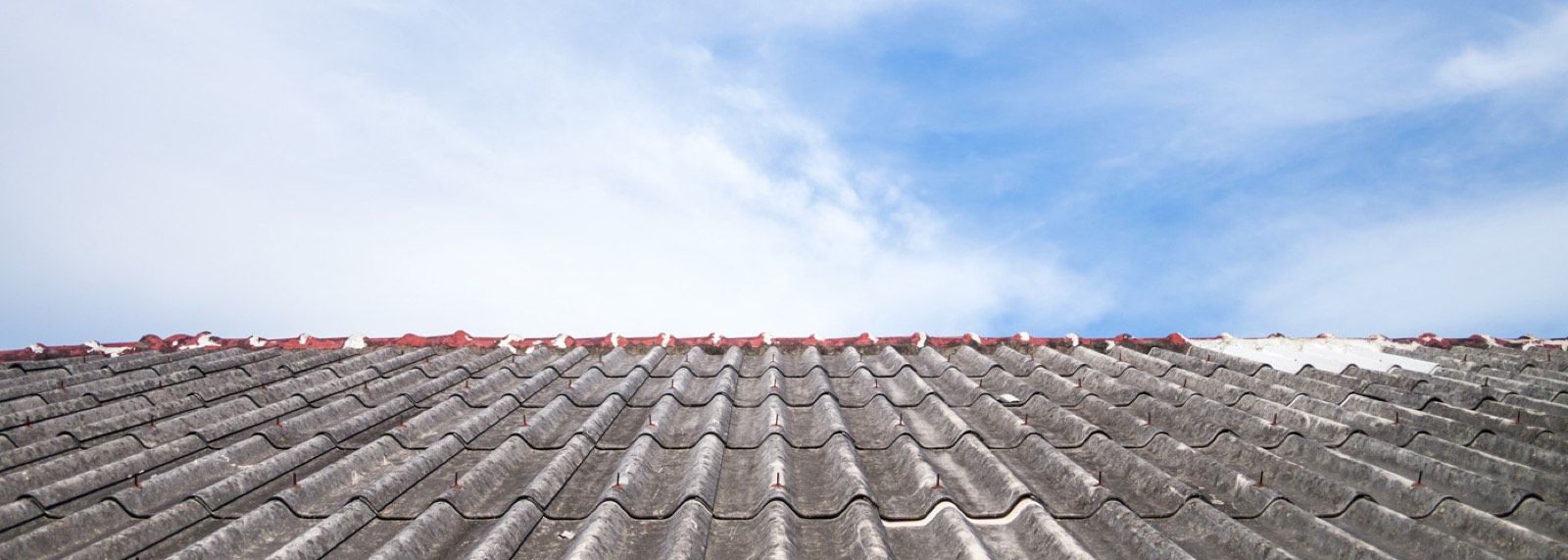
Asbestos Ceiling Removal in Cobham
Licensed removal of asbestos ceilings, textured artex and insulating board in Cobham homes and flats, from the period houses off Church Street out to the postwar properties towards Oxshott. We seal the room, filter the air and test it before anyone goes back in.
The Ceilings Above Cobham's Older Rooms
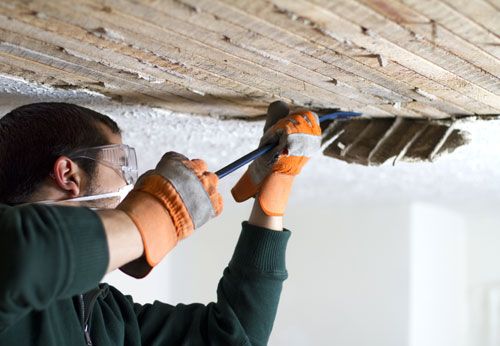
Most of the asbestos people worry about in Cobham is outside, on a garage roof or a shed. The ceiling overhead gets far less thought, which is the problem. A swirled or stippled artex finish in a hallway off the High Street, a flat board lining the airing cupboard in a 1960s house out towards the Fairmile, the panel boxing in the old boiler, any of these can hold asbestos if the property went up before 2000. It sits there quietly for decades and nobody questions it until a ceiling comes down or a wall gets opened up.
Cobham has a lot of this stock. The Victorian and Edwardian houses near Church Street and the river have been re-plastered and re-skinned over the years, and the wave of interwar and postwar building running out through Oxshott and Stoke D'Abernon brought in exactly the materials that are now a concern. Textured coatings went onto ceilings and walls right through to the 1980s, often as a cheap way to hide a cracked or uneven surface. Asbestos insulating board, AIB, turned up around heat sources, in cupboards and as ceiling panels in the colder properties along the Portsmouth Road.
Left alone and in good order, none of it does any harm. A textured ceiling that has been painted over and never touched is not releasing anything into the room below. The trouble starts the moment somebody scrapes it back, drills through it to hang a light, or brings it down during a refit. Because the material is overhead and out of mind, that disturbance is nearly always a surprise, which is why the indoor finds tend to be the ones that catch a Cobham household off guard.
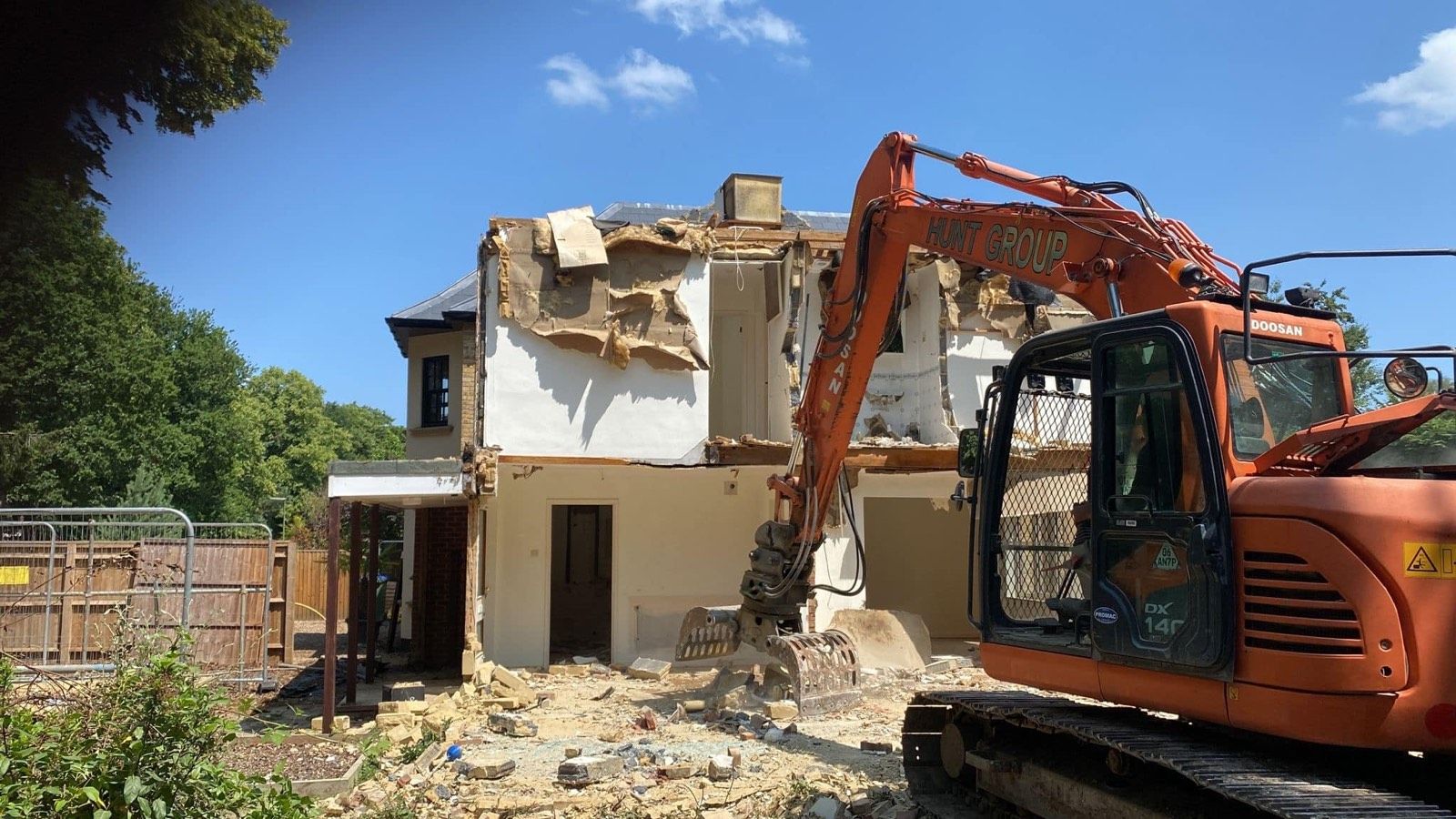
Artex And Insulating Board Are Not The Same Risk
These two materials get lumped together and they should not be. Textured artex coatings usually carry a low percentage of asbestos, bound tightly into the plaster, and the work to take them off is often non-licensed, though it still has to be contained and done properly. Asbestos insulating board is a different matter. It can be heavily loaded with fibre, it breaks up easily into dust, and removing it is licensed work under the strictest rules. The same Cobham house can hold both, a textured ceiling in the lounge and a board panel in the airing cupboard, each needing a different approach.
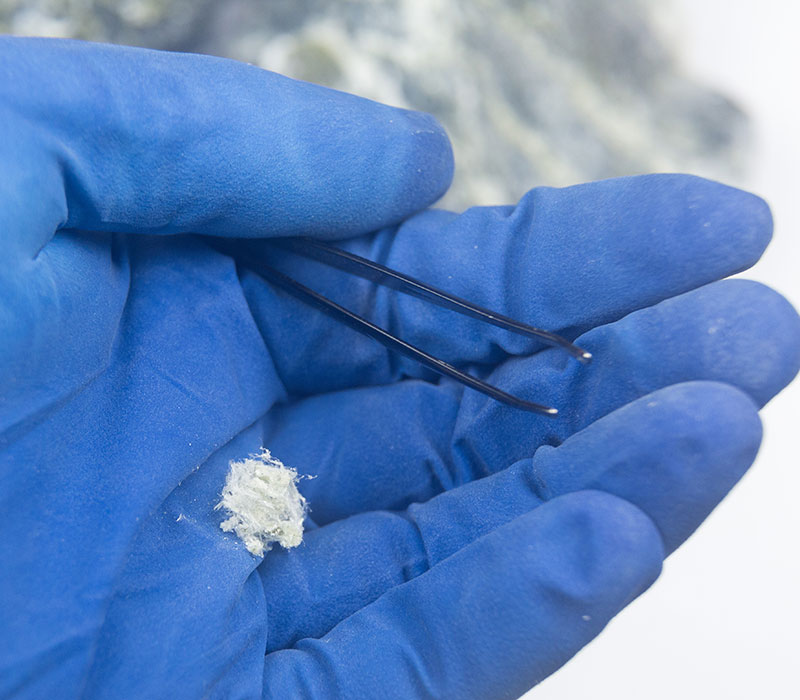
The catch is that you cannot tell which is which by looking. A painted ceiling panel and a sheet of AIB can sit side by side and look identical under a coat of emulsion, and a coating that seems harmless might test high. So nothing is assumed and nothing is guessed. We take a small sample under controlled conditions, send it to a UKAS-accredited laboratory, and wait for the result before deciding how the job runs.
That result shapes everything that follows. The lab tells us the material and the type, and that single step decides whether this is a straightforward contained strip-out or full licensed removal with the heavier controls. It also means you are not paying for more than the ceiling actually needs, and you are not under-treating something that turns out to be board. Testing first is the cheap, sensible move, and it is the only honest way to scope a ceiling before the work starts.
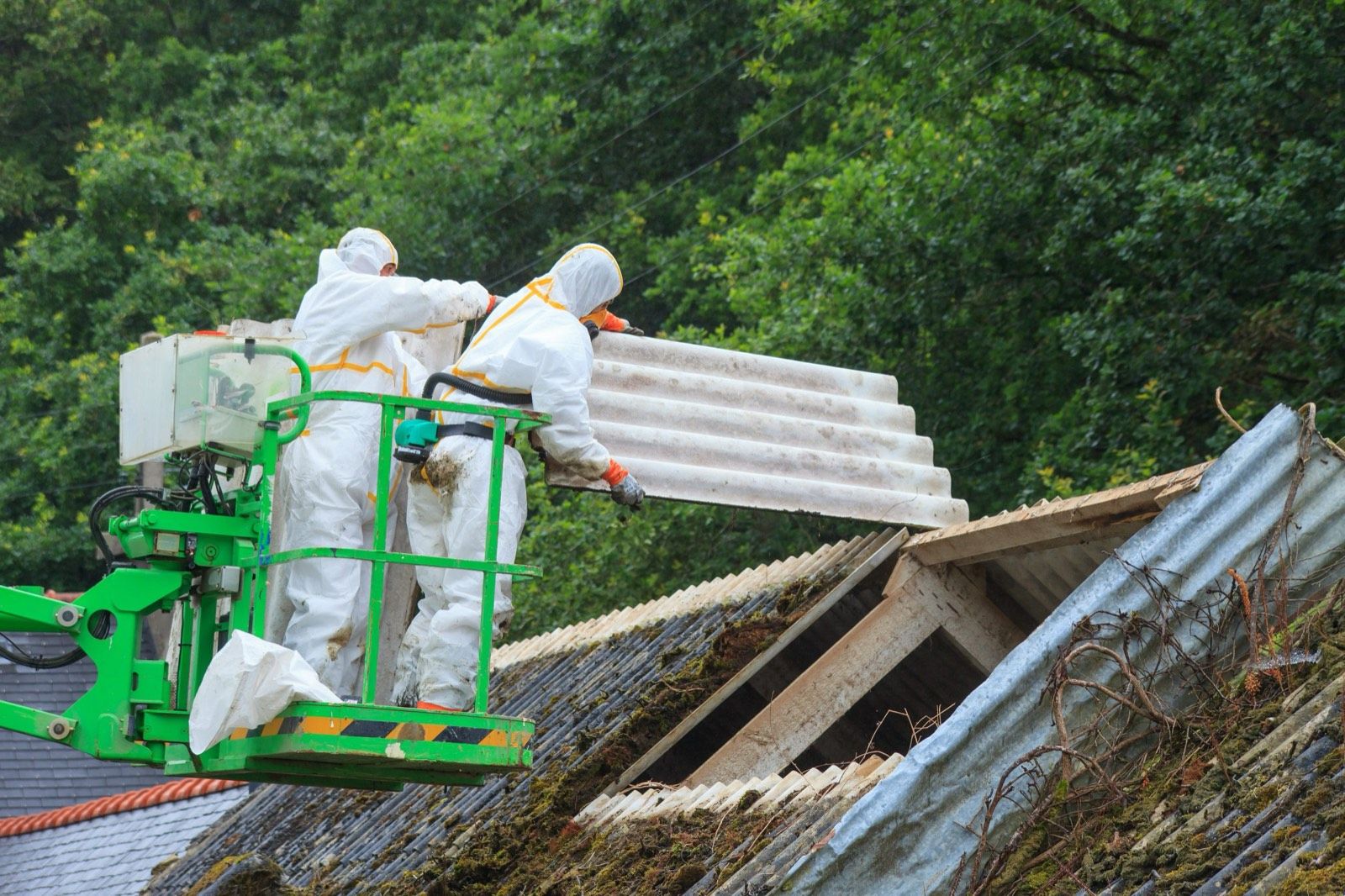
Working In A House People Still Live In
Ceiling work is indoor work, and in Cobham that almost always means a home that is still occupied. A family is sleeping upstairs, or moving back in once the kitchen is done, or a flat above a shop on the High Street has tenants who cannot simply move out for a week. That changes how we set up. The room being worked on is sealed off from the rest of the house so nothing drifts down the hall or up the stairs, and we run commercial-grade air filtration inside it the whole time the material is being disturbed.
When the artex or the board is out, we do not just sweep up and leave. The air gets tested before the seals come down, and the space is only handed back once the readings are clear. Keeping the work to one sealed room also means the rest of the house stays usable, which matters when people are living around the job rather than away from it. A single ceiling in one room is often a short job once the controls are in place, but the setting up and the testing are not the parts to rush.
For higher-risk insulating board the standard goes up again. Licensed AIB removal means the HSE gets 14 days of notice before we start, the room works under full enclosure with the air monitored throughout, and an independent analyst runs four-stage clearance testing at the end before anyone sets foot back inside. The point of all of it is simple. The people who live in the house should be breathing the same air after we leave as they were before any of this started.

Why The Ceiling Is Worth Checking First
The reason ceilings catch people out is that the disturbance is usually accidental. Nobody sets out to release asbestos. They sand a textured ceiling flat because they want a smooth modern finish, or they tear out an old airing cupboard, or a builder knocks through and brings a board panel down with the dust. The fibres released are far too fine to see, and in a closed room they hang in the air long after the work stops and the noise dies down. Breathed in, they can lead to asbestosis, lung cancer and mesothelioma, often 20 to 40 years later. That long delay is exactly why this is treated as licensed, regulated work and not a weekend job with a dust sheet.
It also explains why a ceiling is worth checking before anything else gets going. The artex is right above your head in the rooms you use every day, and a refit that starts upstairs has a habit of reaching it. So if you are about to skim a ceiling, redo a cupboard, fit recessed lights or open up the structure in a pre-2000 Cobham home, get the material sampled before a tool touches it. A test costs a fraction of what it takes to clean up a room full of disturbed fibre, and it tells you precisely what you are dealing with instead of leaving you to guess.
We hold Spectra licence number 142305706, we have worked across Surrey, Sussex and south-west London for more than seven years, and every ceiling job closes with the air-test results and waste consignment notes that prove it was handled by the book. To have a Cobham ceiling sampled or removed, call 0800 024 6168 and we will book a free site visit and a fixed written quote.
You may also need our complete asbestos removal in Cobham service.

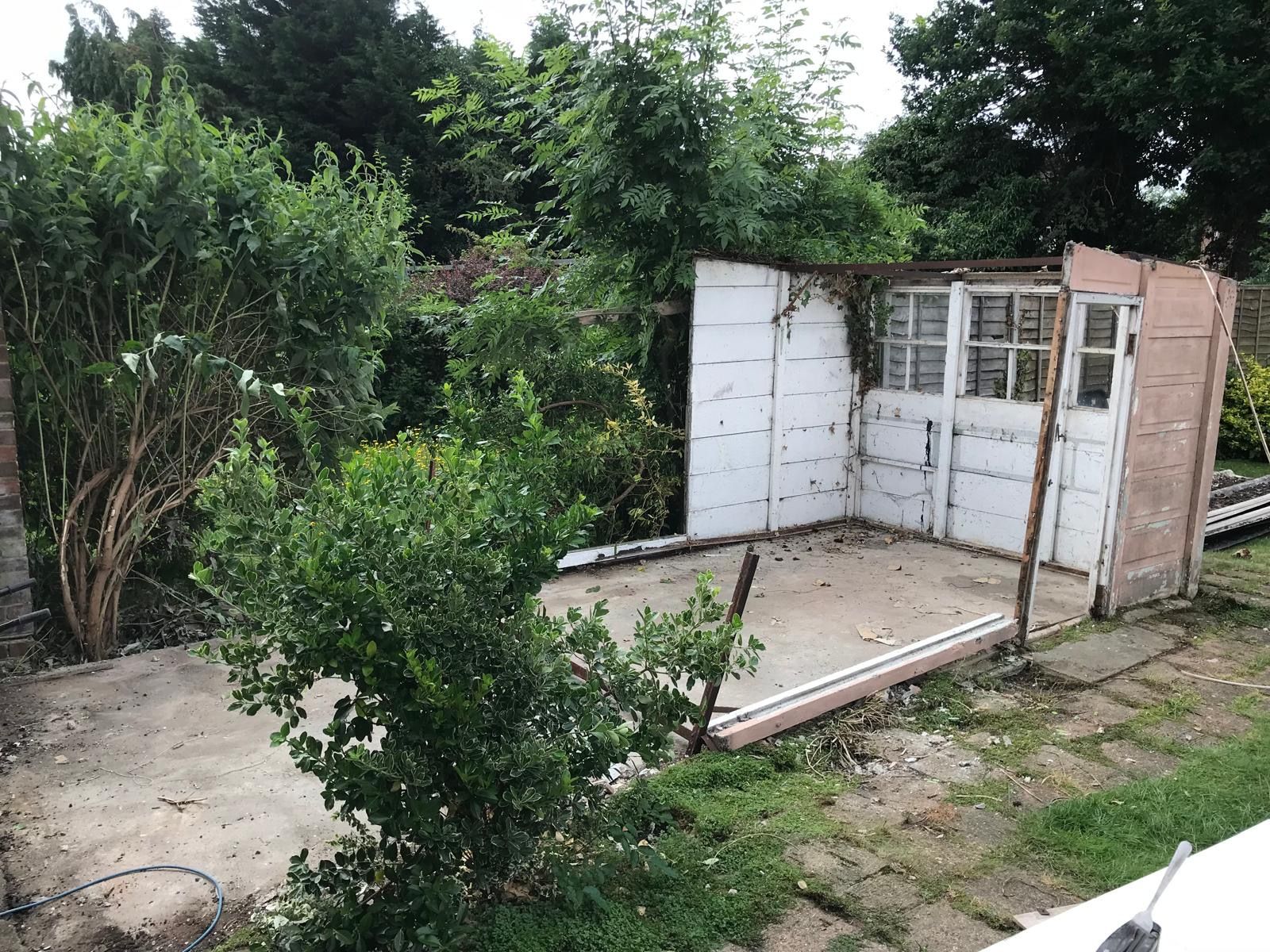
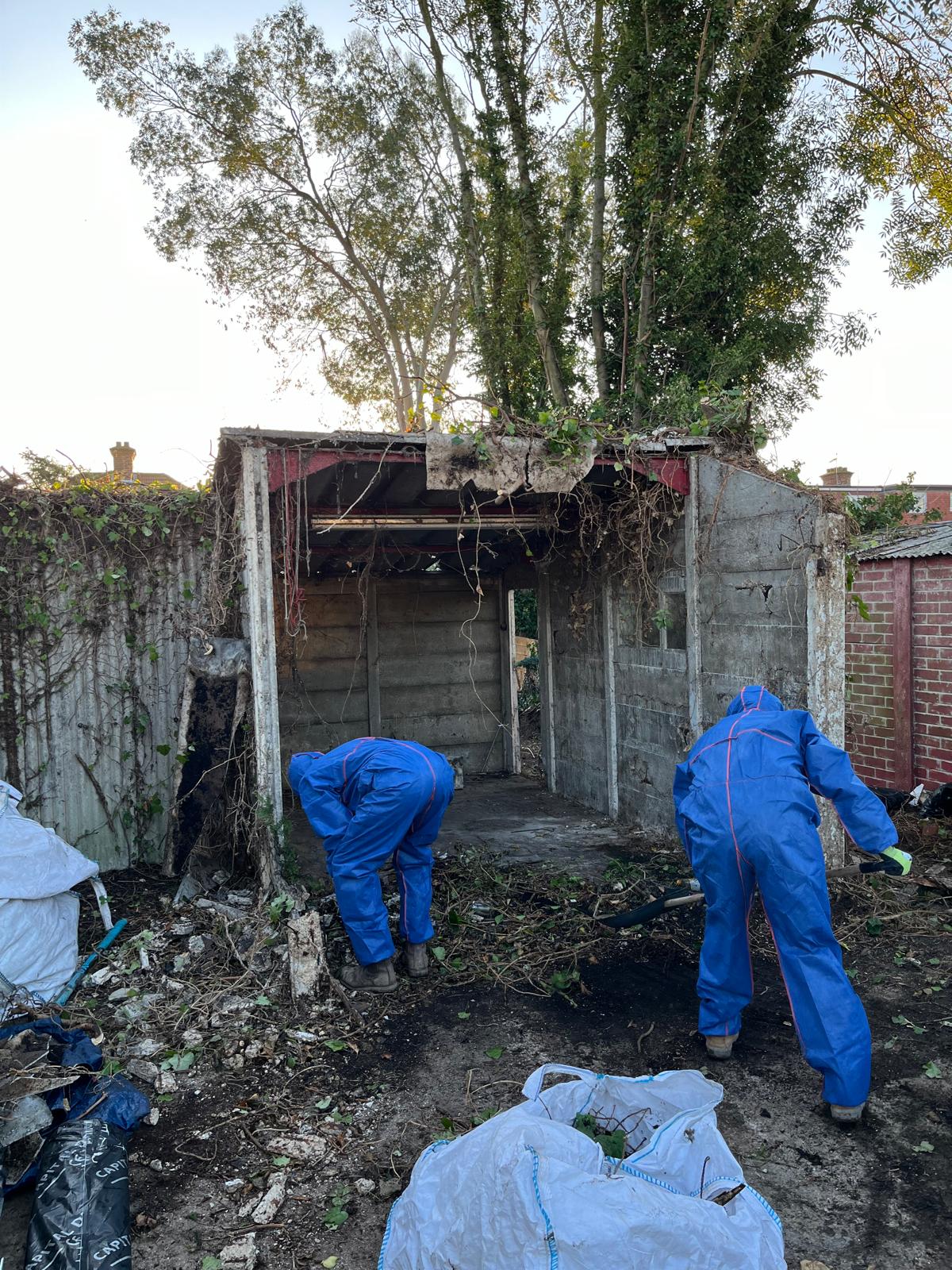
Concrete Asbestos Garage Removal, Cobham
Cobham, Surrey · Garage Removal
View this project"Graham and his guys picked up some asbestos roof sheets from my property in Chessington. Would highly recommend this company to anyone. Really good service and very professional. Thank you"
Our Removal Process
From first call to final certificate, every job follows the same clear four-step process.
Survey
We inspect the property and confirm the material. Sampling available if required.
Quote
Fixed written price covering removal, disposal and any replacement work.
Removal
Material is removed safely, double-wrapped and taken to a licensed disposal facility.
Certificate
You receive a waste consignment note and disposal certificate confirming legal handling.
Frequently Asked Questions
Why Choose Clearaway
Specialist Crew
Asbestos work is all we do, every day, across the South East.
Fully Licensed
Licensed asbestos removal contractor (Licence No. 142305706). Full public liability insurance on every job.
Local & Fast
Surrey-based. Most domestic jobs are booked in and finished within a week.
Our Own Team
We never subcontract. The people who quote your job are the people who do it.
Get in Touch
Send a few details about your project and we will come back the same working day with a fixed price. We cover Surrey, London and the South East, including Esher, Cobham, Kingston, Richmond, Epsom, Guildford, Woking and Croydon.