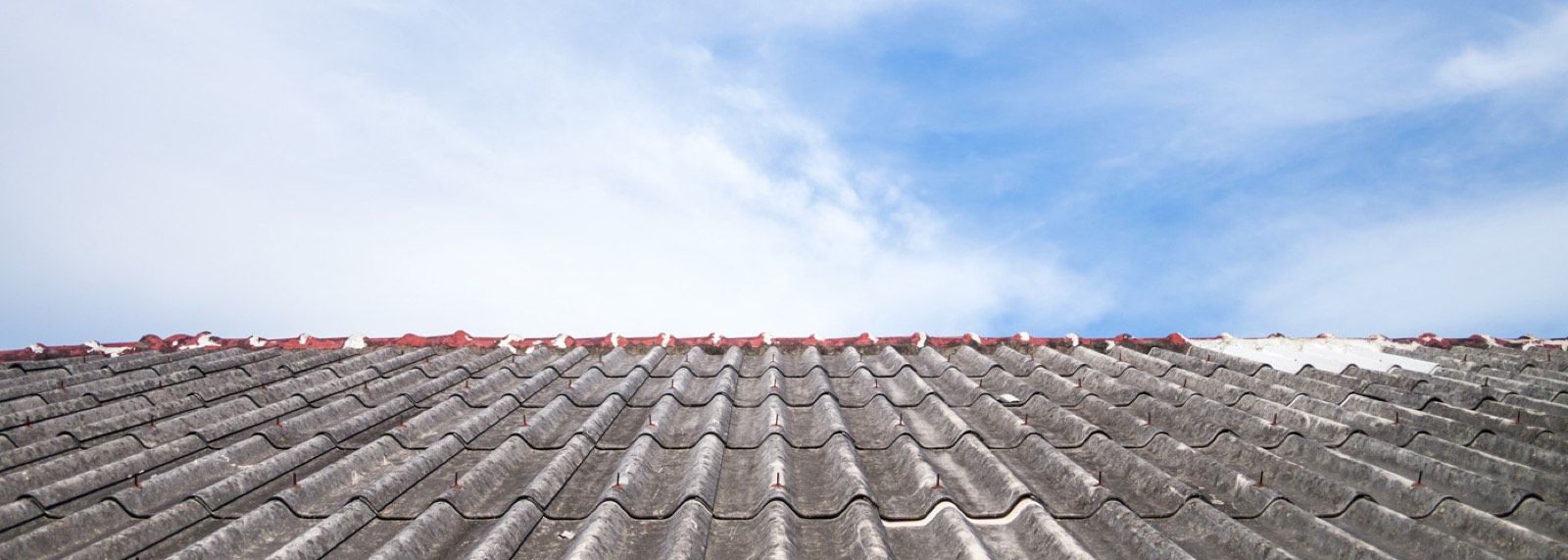
Asbestos Ceiling Removal in Chelsea
Chelsea hides its asbestos overhead. In the period flats and maisonettes off the King's Road, textured artex and asbestos insulating board sit in ceilings, airing cupboards and around old boilers. Removing it safely in an occupied mansion block is the work this page covers.
Why Chelsea ceilings are where the risk sits
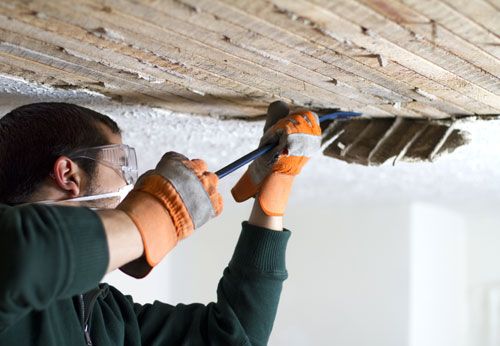
Walk the streets behind Sloane Square and Cheyne Walk and you see white stucco terraces and red-brick mansion blocks, most of them tall period houses long since split into flats and maisonettes. There are barely any suburban garages here, so the asbestos is not out on a drive. It is indoors, built into the fabric overhead. Textured artex coatings, asbestos insulating board around boilers, board in airing cupboards and whole ceiling boards: that is the Chelsea pattern, and ceilings are the part of it most people never look at.
The reason is simple. Asbestos was banned outright in the UK in 1999, and the bulk of Chelsea's housing went up long before that, so anything fitted to a ceiling before the late 1980s is worth treating as suspect until it is tested. Artex was sold for decades and a single skim can hide a fibre content of a few percent. AIB was used as a fire lining and a quick infill board, and you find it where heat needed holding back: above and around a boiler, lining an airing cupboard, boxing in a riser.
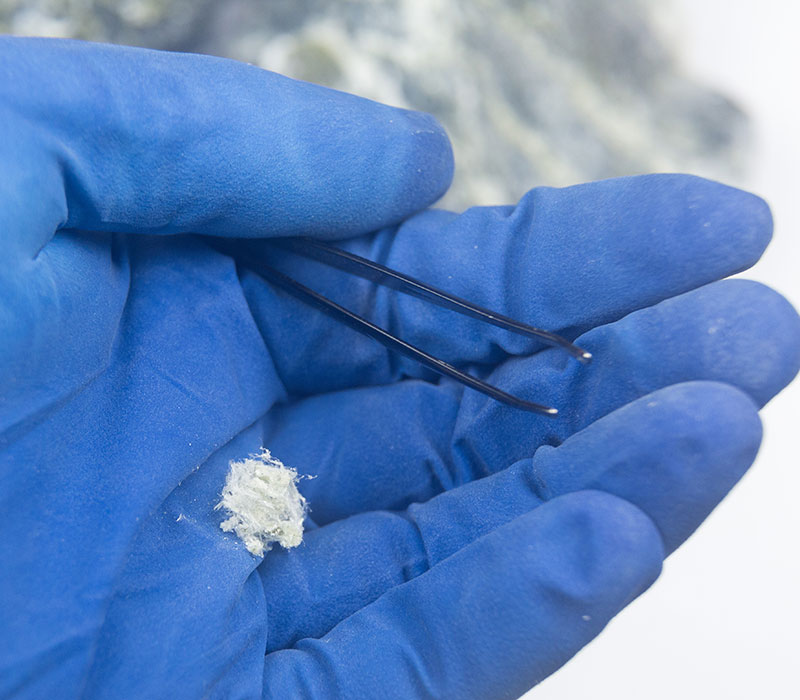
You cannot tell which is which by eye. The two materials sit in different risk bands and the law treats them differently, so the first move on any Chelsea ceiling is to take a sample, not to start pulling at it.
Artex and AIB are not the same job
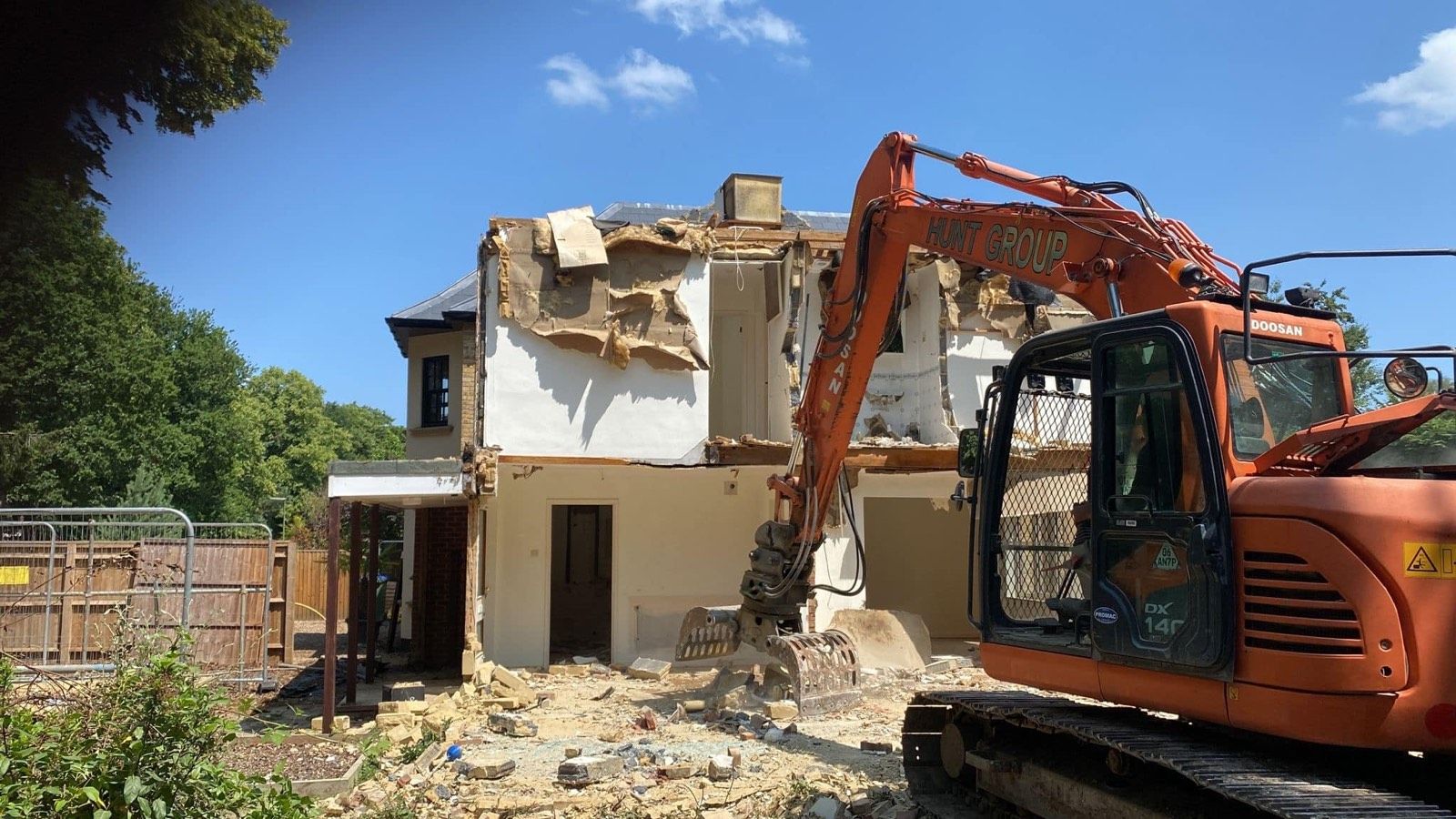
Artex and asbestos insulating board look nothing alike once you know them, and they are removed under different rules. Textured artex coatings carry a lower fibre release and a good deal of this work is non-licensed. AIB is the higher-risk material. Disturbing a board can put fibres into the air fast, so removing it is licensed work, which carries a separate set of legal steps before a single board comes down.
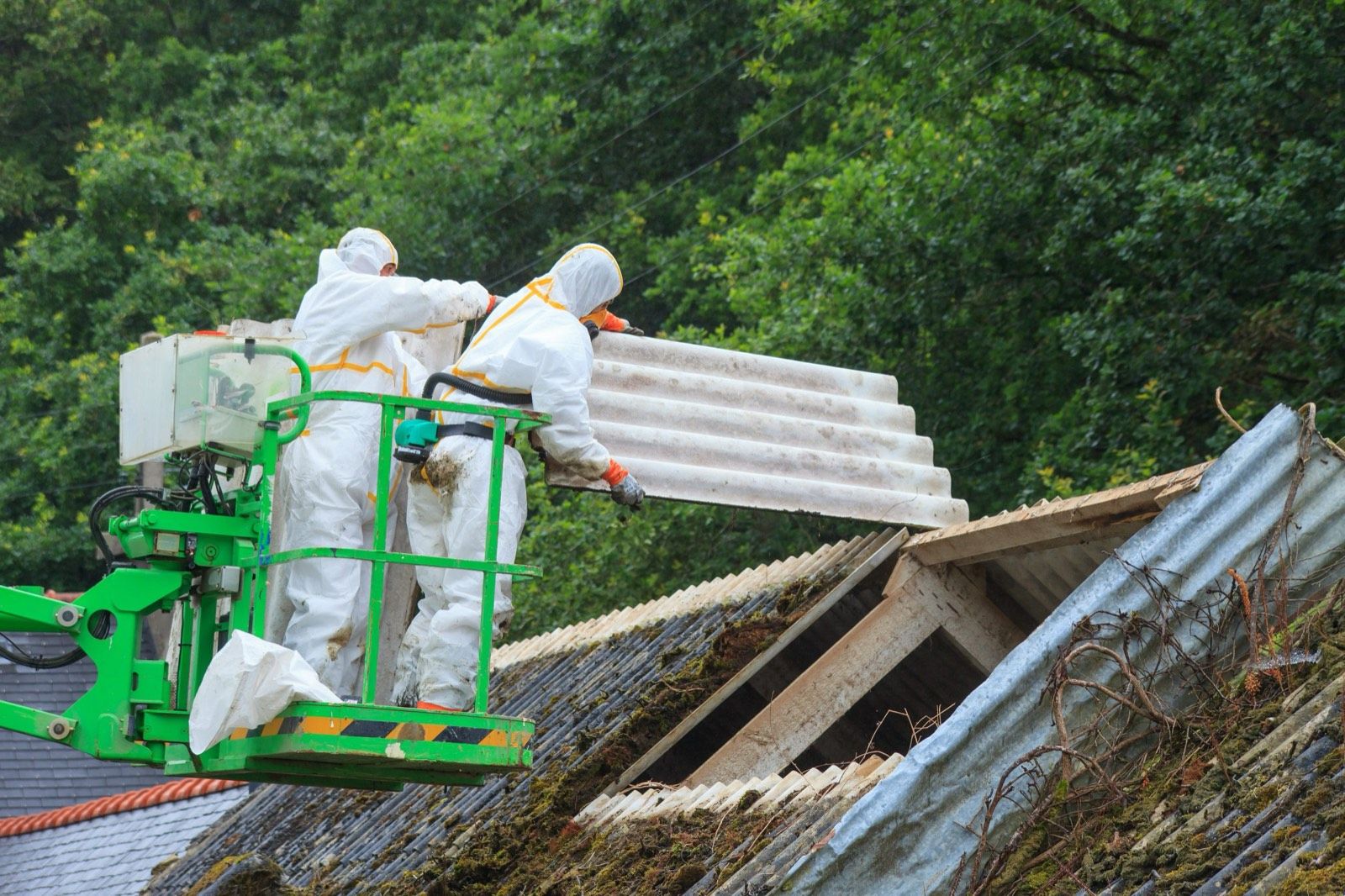
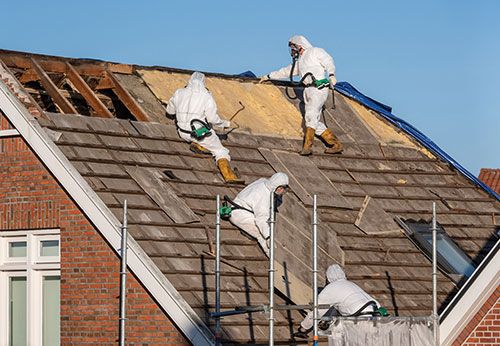
Where the job is licensed, the Health and Safety Executive must be given 14 days notice before work starts. The room is sealed into a negative-pressure enclosure, run at around 8 to 10 air changes an hour so any loose fibre is drawn into the filtration unit and out, not into the rest of the flat. AIB ceiling boards are taken down whole wherever the fixing allows, kept damp, double-bagged and removed to a licensed disposal facility rather than broken up on site.
Once the material is out and the enclosure cleaned, an independent analyst runs the four-stage clearance: a visual check of the site, a thorough inspection inside the enclosure, a reassurance air test, and a final look once the enclosure comes down. The air test has a published clearance figure of 0.01 fibres per millilitre of air, and the room is not handed back until the count sits at or below it. That number is how everyone agrees the ceiling space is safe to reoccupy.
Working in an occupied mansion block
Most Chelsea ceiling jobs are in flats and mansion blocks that people are still living in, reached by a shared stairwell, with no driveway to park a van on. That shapes the whole approach. The working ceiling sits inside a sealed enclosure with its own filtered air, so the rest of the flat, and the flat above and below, stay clean while a single room is stripped. Sheeting and tape hold the line at the door, and the negative pressure keeps the air moving the right way.
Access takes planning here that it would not in a house with a drive. Much of Chelsea is conservation area and a fair number of these blocks are listed, so a job can mean a parking suspension on the street, a tight route up a communal stair, and care taken not to mark original plasterwork, cornicing or joinery on the way through. Where a ceiling carries decorative plaster worth keeping, the board behind it is removed without bringing the moulding down with it.
A single room ceiling is rarely a long job. A typical Chelsea reception or bedroom runs around 15 to 25 square metres, and where AIB boards lift cleanly the strip itself can be done inside a day, with the enclosure, clearance and air test adding to that. The bagged waste leaves in the van, so there is no skip blocking the road or the residents' bays outside.

Sampling first, then a clean handover
Nothing comes down on guesswork. A small piece of the ceiling coating or board is cut under controlled conditions and sent to a UKAS-accredited laboratory, which confirms whether asbestos is present and what type, with results back in a few working days. AIB sheets came in standard sizes, commonly 1220mm by 2440mm, so once a ceiling is identified the area and the likely board count are quick to read, and the quote and method are built around the real material rather than a guess.
That first sample decides everything that follows: whether the work is licensed or non-licensed, whether the HSE needs 14 days notice, how the enclosure is built, and what the clearance has to prove. For a leaseholder or a managing agent in one of these blocks it also gives a paper trail, which matters when the freeholder, the neighbours and any wider listed building consent all have a stake in the work.
Clearaway is based in Chessington and travels into Chelsea for the larger flat and house ceilings, full strip-outs and the projects where the licence and the documented job carry weight. The owner Graham runs the work himself. We have been removing asbestos across this part of London for more than seven years, we hold Spectra licence number 142305706, and if you have an artex or AIB ceiling in a Chelsea flat you want checked, you can talk it through on 0800 024 6168.

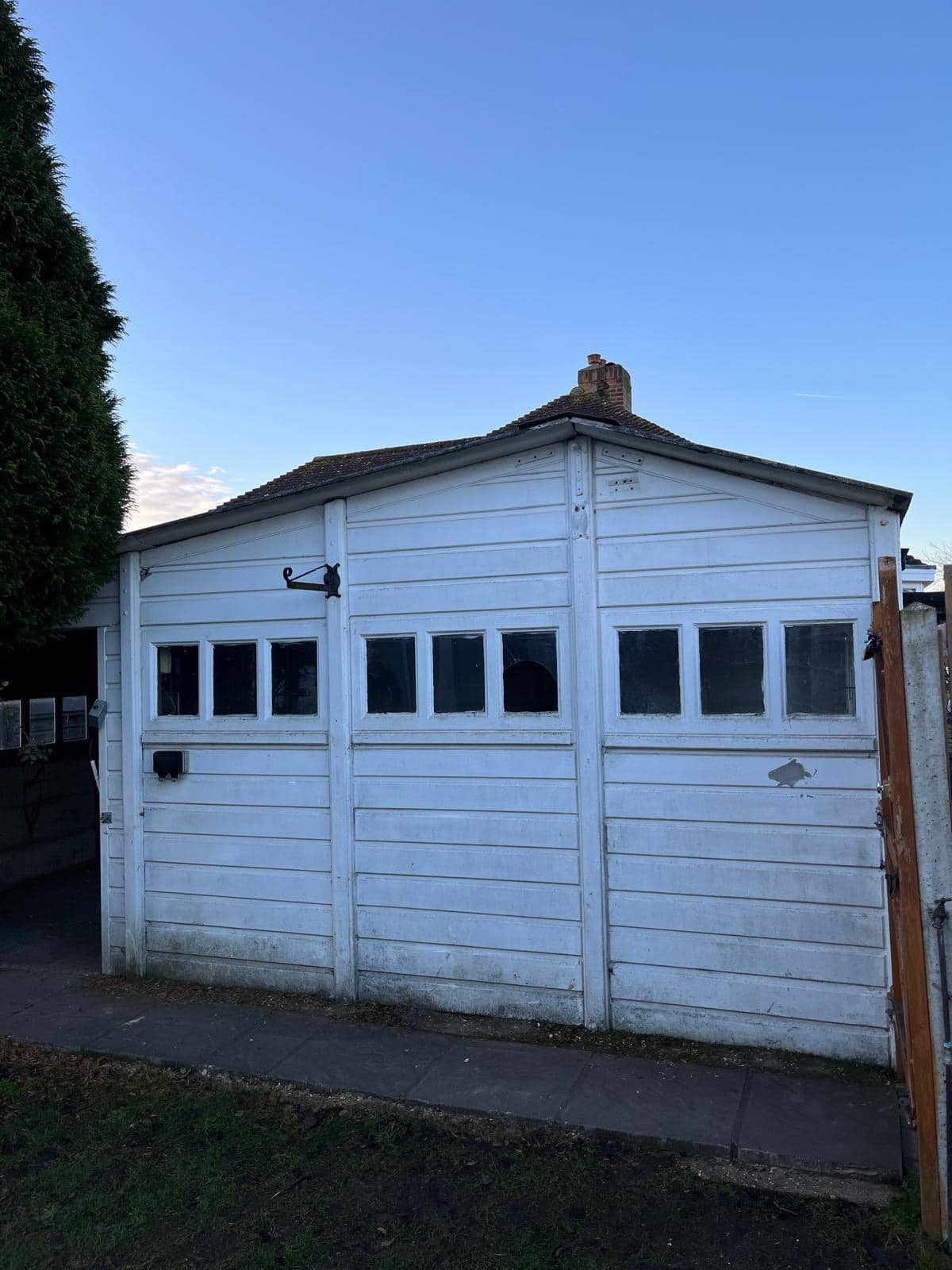
Concrete Asbestos Garage Removal, Epsom
Epsom, Surrey · Garage Removal
View this project"Graham has organised two jobs for me, both of which ran smoothly and on time. Clive and the team are really great, they completed the work in the agreed time and left the site spotless. Would recommend using Clearaway if you need any work done."
Our Removal Process
From first call to final certificate, every job follows the same clear four-step process.
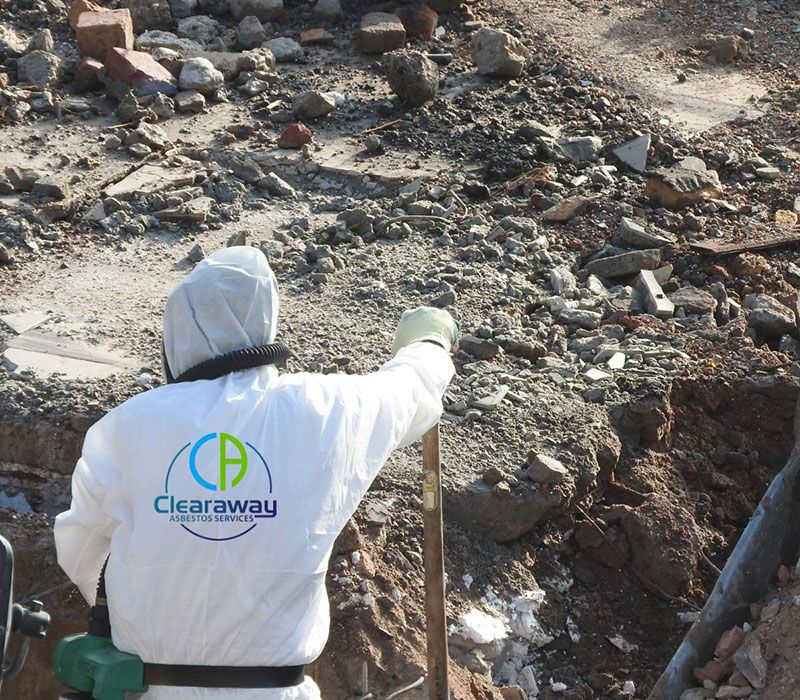
Survey
We inspect the property and confirm the material. Sampling available if required.
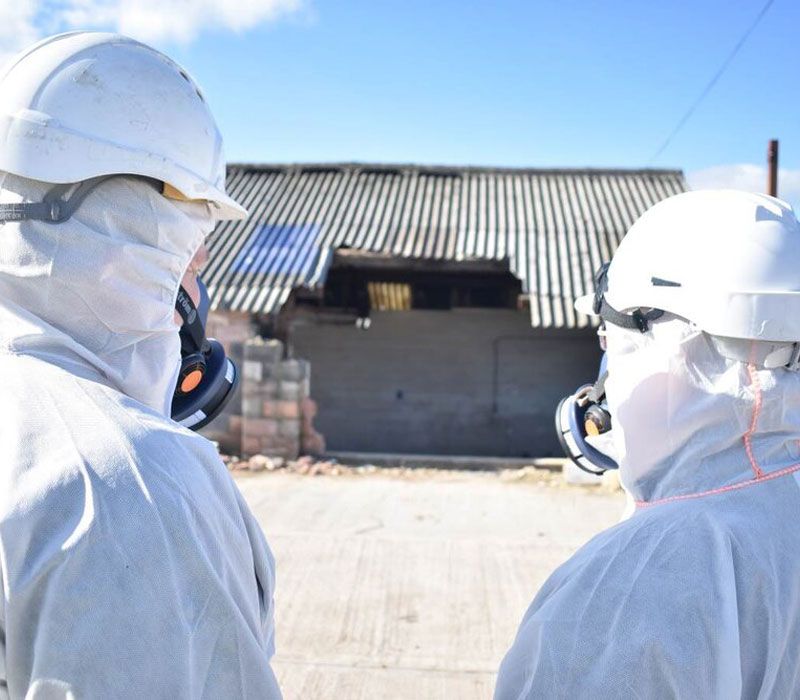
Quote
Fixed written price covering removal, disposal and any replacement work.
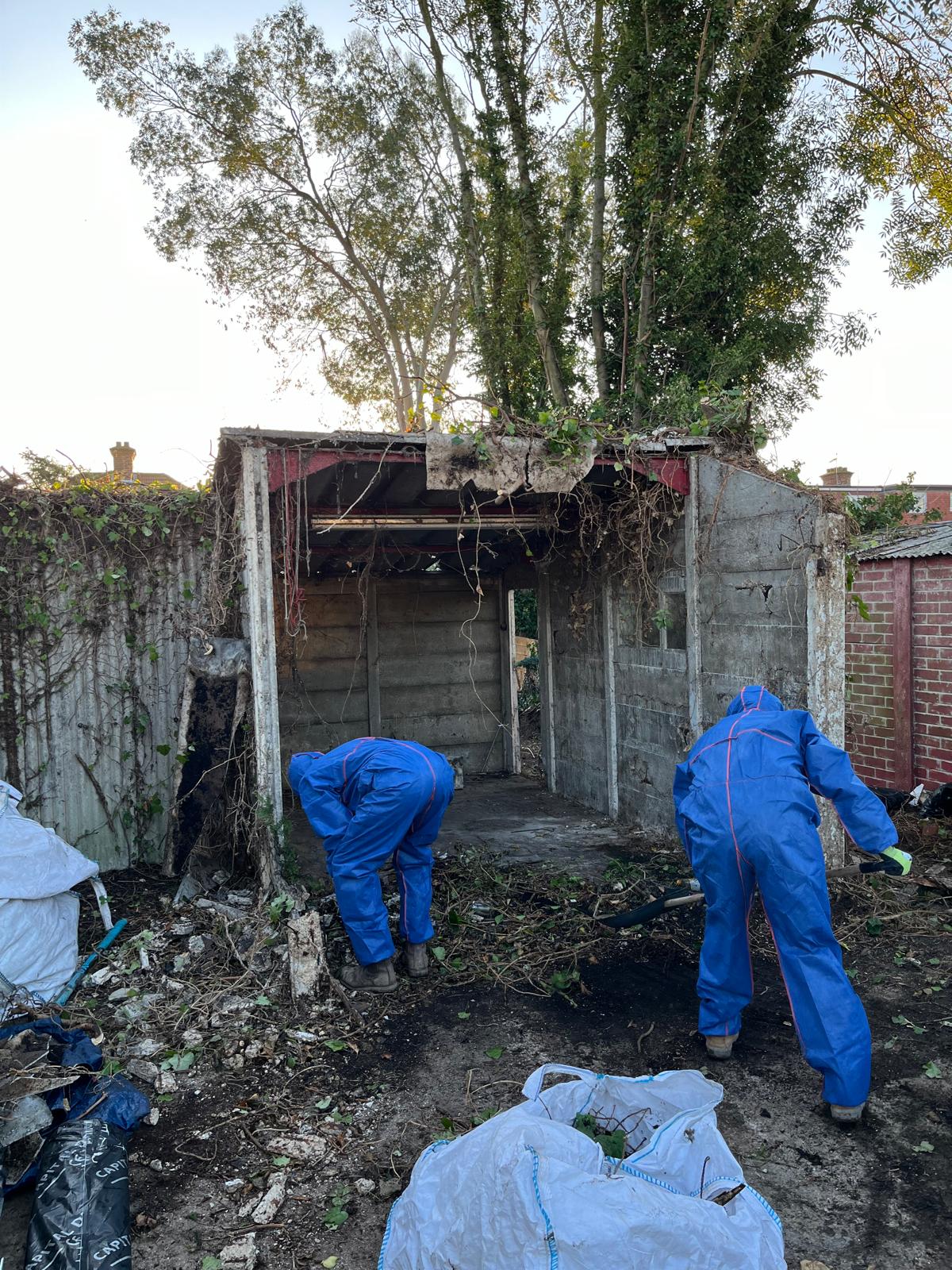
Removal
Material is removed safely, double-wrapped and taken to a licensed disposal facility.
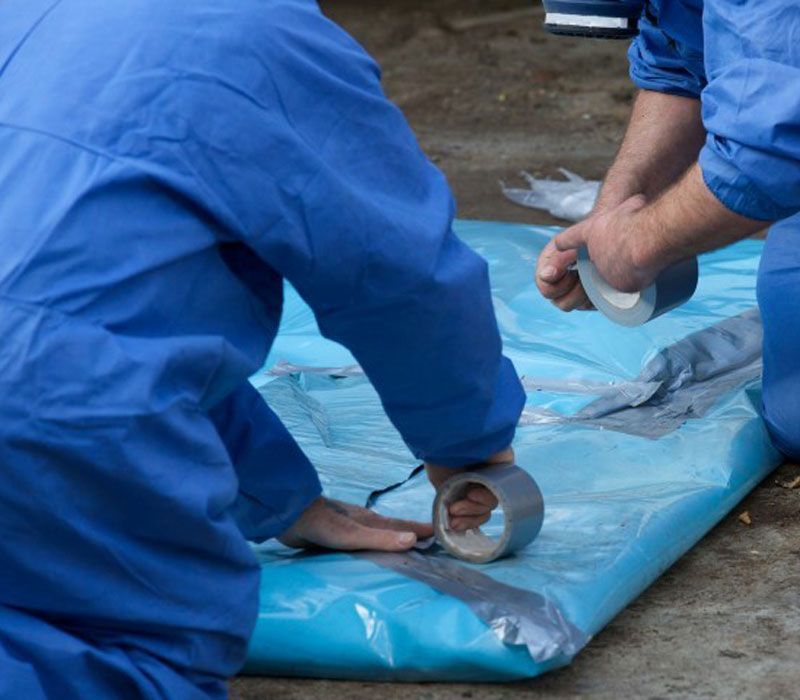
Certificate
You receive a waste consignment note and disposal certificate confirming legal handling.
Frequently Asked Questions
Why Choose Clearaway
HSE Licensed Removal
Higher-risk material handled under full enclosure, with the 14 days of HSE notice the law requires and independent clearance testing.
Planning Aware
Used to conservation areas and listed buildings: scaffold and access planned around the restrictions, original fabric protected.
Fully Licensed
Licensed asbestos removal contractor (Licence No. 142305706). Full public liability insurance on every job.
Our Own Team
We never subcontract. The people who quote your job are the people who do it.
Get in Touch
Send a few details about your project and we will come back the same working day with a fixed price. We cover Surrey, London and the South East, including Esher, Cobham, Kingston, Richmond, Epsom, Guildford, Woking and Croydon.